Category: Agrotourism in Cyprus

  • How to Plan a Weekend Getaway in Agrotourism

    How to Plan a Weekend Getaway in Agrotourism

    If you’re yearning for a refreshing break from the hustle and bustle of everyday life, a weekend getaway in agrotourism might be just what you need. This form of travel allows you to immerse yourself in nature while enjoying local culture and delicious food. In this article, we’ll explore how to plan a weekend getaway in agrotourism, ensuring you have an unforgettable experience.

    1. Choose the Right Destination

    Research Agrotourism Locations

    The first step in planning your getaway is to research potential destinations. Cyprus is renowned for its stunning landscapes, charming villages, and rich agricultural traditions. Look for agrotourism areas that appeal to your interests, whether you’re eager to explore vineyards, orchards, or farms. Websites dedicated to agrotourism often provide valuable insights, including reviews and recommendations.

    Consider Accessibility

    When selecting a destination, consider how easily you can reach it. Ideally, choose a location that is within a few hours’ drive from your home. This way, you can maximize your time spent enjoying the experience rather than traveling. Moreover, check the availability of public transport options if you prefer not to drive.

    2. Find Accommodations

    Explore Farm Stays and Eco-Lodges

    Once you’ve chosen your destination, look for accommodations that embrace the agrotourism theme. Many farms and eco-lodges offer unique stays that allow you to connect with nature and local farming practices. You might find a cozy cottage on a vineyard or a rustic room on a working farm. These experiences often come with home-cooked meals made from fresh local ingredients, enhancing your getaway.

    Book in Advance

    To secure the best accommodations, especially during peak seasons, make your reservations in advance. This will not only give you peace of mind but also allow you to plan your itinerary around the amenities offered at your lodging. Additionally, many farm stays provide opportunities for activities that require booking ahead, such as guided tours or workshops.

    How to Plan a Weekend Getaway in Agrotourism
    How to Plan a Weekend Getaway in Agrotourism

    3. Plan Your Activities

    Engage with the Local Community

    One of the highlights of agrotourism is the chance to engage with local farmers and artisans. Look for workshops or classes that allow you to learn about traditional farming practices, cooking, or crafting. For instance, you could take a cheese-making class or participate in a grape harvest. These activities provide a hands-on experience that enriches your understanding of the local culture.

    Explore Nature

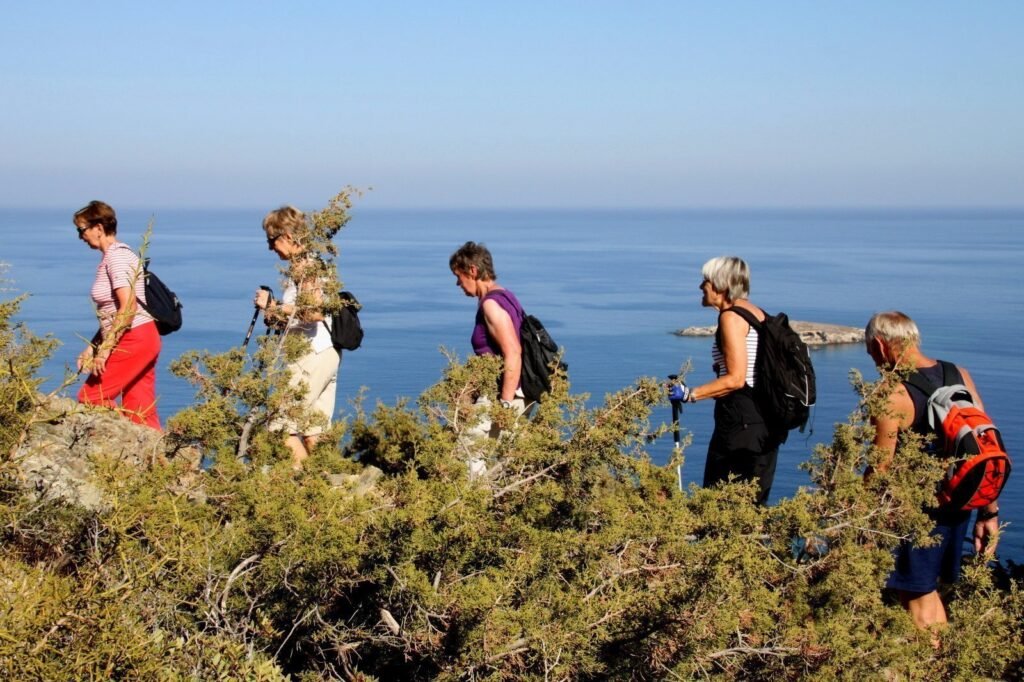
    In addition to farm-related activities, make sure to take advantage of the natural beauty surrounding your destination. Plan hikes, bike rides, or nature walks to explore the area. Many agrotourism spots are situated near beautiful trails or scenic views, allowing you to appreciate the landscape while enjoying quality family time. Always check for local maps or guides that highlight nearby attractions.

    4. Savor Local Flavors

    Enjoy Farm-to-Table Dining

    Food is an essential aspect of agrotourism. Look for opportunities to enjoy farm-to-table dining experiences, where you can taste fresh ingredients sourced directly from local farms. Many agrotourism destinations feature on-site restaurants or partner with local eateries. These meals not only nourish you but also allow you to savor the flavors of the region.

    Participate in Food Tours

    Consider joining a food tour if your destination offers one. Food tours can lead you through local markets, farms, and restaurants, providing a culinary journey that showcases traditional dishes and local specialties. This is a delightful way to experience the region’s flavors while learning about its culinary heritage.

    5. Prepare for Your Trip

    Pack Accordingly

    Before you head out, make a packing list to ensure you have everything you need. Depending on the activities you plan to engage in, consider bringing comfortable clothing for outdoor activities, sturdy shoes for hiking, and any necessary gear for workshops. Don’t forget a camera to capture the beautiful landscapes and memorable moments!

    Stay Flexible

    Finally, while planning is essential, staying flexible is equally important. Weather conditions, local events, or unexpected opportunities may arise during your getaway. Embrace spontaneity and be open to adjusting your plans. This flexibility can lead to unforgettable experiences you hadn’t initially considered.

    Conclusion

    Planning a weekend getaway in agrotourism is a wonderful way to reconnect with nature and immerse yourself in local culture. By choosing the right destination, finding unique accommodations, planning engaging activities, and savoring local flavors, you can create a memorable experience for yourself and your loved ones. So pack your bags, embrace the rural charm, and enjoy all that agrotourism has to offer!

  • Best Agrotourism Experiences for Families in Cyprus

    Best Agrotourism Experiences for Families in Cyprus

    Cyprus, with its beautiful landscapes and rich agricultural heritage, is a fantastic destination for families looking to immerse themselves in nature and local culture. Agrotourism experiences offer unique opportunities to engage with the land, learn about traditional farming practices, and enjoy delicious local cuisine. In this article, we’ll explore the best agrotourism experiences for families in Cyprus, ensuring a memorable and educational adventure for everyone.

    1. Visit Local Farms

    Engage with Farm Animals

    One of the best ways for families to experience agrotourism is by visiting local farms. Many farms in Cyprus welcome visitors, offering opportunities to engage with farm animals like goats, sheep, and chickens. Children will love feeding the animals and learning about their care. For instance, Kambas Farm in the Larnaca district allows families to interact with various animals while gaining insight into traditional farming practices. This hands-on experience fosters a connection between children and nature, making it both fun and educational.

    Participate in Farm Activities

    Many farms also offer interactive activities that can involve the whole family. Picking fruits and vegetables, making cheese, or even participating in olive oil production can be fantastic experiences. Tylissos Farm in the Troodos region, for example, offers olive oil workshops where families can learn about the olive oil extraction process. These activities not only teach valuable skills but also create lasting memories as families work together.

    Best Agrotourism Experiences for Families in Cyprus
    Best Agrotourism Experiences for Families in Cyprus

    2. Discover Local Cuisine

    Culinary Workshops

    Cypriot cuisine is known for its rich flavors and fresh ingredients. What better way to experience this than through a family cooking class? Many agrotourism farms offer culinary workshops where families can learn to prepare traditional dishes like moussaka or kleftiko. These classes provide a fun and interactive environment, allowing families to bond over cooking and tasting their creations. Cyprus Cooking Classes in Limassol is a great option for families seeking a hands-on culinary experience.

    Farm-to-Table Dining

    After a day of farming and cooking, enjoy a delicious meal at a local taverna that sources its ingredients directly from nearby farms. Many restaurants in Cyprus emphasize farm-to-table dining, ensuring that families can savor the freshest local produce. This not only supports local farmers but also gives families a taste of authentic Cypriot flavors. Consider dining at To Steki Tis Pareas in the Troodos Mountains, where you can enjoy stunning views along with your meal.

    3. Explore the Natural Beauty of Cyprus

    Nature Trails and Outdoor Activities

    Cyprus is home to beautiful landscapes, making it perfect for outdoor adventures. Many agrotourism experiences include guided nature walks or hikes, allowing families to explore the island’s stunning flora and fauna. The Akamas Peninsula is a fantastic area for family-friendly hikes, with various trails suitable for all ages. Engaging with nature not only provides exercise but also encourages children to appreciate the environment.

    Cycling and Horse Riding

    For families looking for more active experiences, cycling and horse riding are excellent options. Many agrotourism farms provide bicycles for rent, allowing families to explore the scenic countryside at their own pace. Alternatively, horseback riding tours can be a thrilling way to see the countryside while creating lasting memories together. Paphos Horse Riding offers family-friendly rides that cater to all experience levels.

    4. Cultural Experiences

    Traditional Festivals

    If your family visits during a local festival, don’t miss the chance to experience the vibrant culture of Cyprus. Many villages host traditional festivals that celebrate agriculture, such as the Wine Festival in Limassol or the Olive Festival in Kourion. These events feature local food, crafts, music, and dance, providing a fantastic way for families to immerse themselves in Cypriot culture.

    Visit Local Markets

    Exploring local markets is another fantastic way for families to connect with the Cypriot way of life. Markets like the Larnaca Farmers Market or the Paphos Market offer fresh produce, handmade crafts, and local delicacies. Families can engage with local vendors, learn about traditional products, and even sample various foods. This experience fosters an appreciation for local culture while supporting the community.

    Conclusion

    Agrotourism in Cyprus offers families a unique opportunity to connect with nature, learn about traditional farming practices, and savor delicious local cuisine. From visiting local farms and engaging in hands-on activities to exploring nature and experiencing cultural festivals, there’s something for everyone. So, pack your bags and embark on an unforgettable family adventure in Cyprus, where the beauty of the land and the warmth of the people await you!

  • How to Connect with Nature in Cyprus

    How to Connect with Nature in Cyprus

    Cyprus, with its stunning landscapes, diverse flora, and rich cultural heritage, offers numerous opportunities for connecting with nature. Whether you’re hiking in the mountains, exploring coastal trails, or simply enjoying the serenity of rural villages, there are countless ways to immerse yourself in the island’s natural beauty. In this article, we’ll explore some of the best ways to connect with nature in Cyprus, ensuring you make the most of your visit.

    1. Hiking Trails: Discover the Beauty of the Outdoors

    Explore the Troodos Mountains

    One of the most rewarding ways to connect with nature in Cyprus is by hiking. The Troodos Mountains boast a range of trails suitable for all levels of hikers. From leisurely walks to challenging hikes, these trails offer breathtaking views of the surrounding landscape. The Atalanti Trail, for instance, takes you through pine forests and along breathtaking ridges, providing stunning vistas.

    Coastal Walks and Nature Reserves

    For those who prefer the sea, the coastal walks along the Akamas Peninsula are a must-visit. The Aphrodite Trail showcases the stunning beauty of Cyprus’s coastline, with rocky cliffs, azure waters, and vibrant wildflowers. Additionally, protected areas like the Cape Greco National Forest Park offer well-marked trails that allow you to appreciate the island’s unique ecosystem while spotting various bird species and indigenous plants.

    How to Connect with Nature in Cyprus
    How to Connect with Nature in Cyprus

    2. Engage with Local Flora and Fauna

    Visit Botanical Gardens

    Cyprus is home to several botanical gardens that provide insight into the island’s diverse plant life. The Cyprus Botanical Gardens in the town of Kato Paphos is an excellent place to learn about native flora. You can wander through well-maintained paths and discover plants unique to Cyprus. These gardens not only educate visitors about local botany but also serve as a serene retreat for those looking to connect with nature.

    Wildlife Watching

    Wildlife enthusiasts will be thrilled to know that Cyprus hosts a variety of species, including endemic birds and unique reptiles. Head to the Salt Lake of Larnaca during migration seasons to witness flocks of flamingos and other migratory birds. Similarly, the Akrotiri Marsh offers excellent bird-watching opportunities, allowing you to enjoy the tranquility of nature while observing these magnificent creatures.

    3. Enjoy Outdoor Activities

    Cycling Through Nature

    Another fantastic way to connect with nature in Cyprus is by cycling. The island offers numerous cycling routes that lead you through picturesque villages and stunning landscapes. Rent a bike and explore the rural backroads of Paphos or take a leisurely ride along the coast. Cycling allows you to enjoy the fresh air and connect with the environment at your own pace.

    Beach Activities

    Of course, no visit to Cyprus is complete without enjoying its beautiful beaches. Engage in activities like snorkeling or kayaking in the crystal-clear waters. Fig Tree Bay in Protaras, known for its soft sands and vibrant marine life, is perfect for snorkeling adventures. By exploring the underwater world, you can gain a new appreciation for the marine ecosystem and its importance.

    4. Mindfulness and Relaxation in Nature

    Meditation and Yoga Retreats

    For those looking to connect with nature on a deeper level, consider joining a meditation or yoga retreat. Many resorts and wellness centers in Cyprus offer programs that incorporate outdoor activities, allowing you to practice mindfulness surrounded by breathtaking landscapes. Imagine meditating on a cliff overlooking the sea or practicing yoga in a peaceful garden. These experiences can enhance your connection to nature and promote inner peace.

    Picnics in Nature

    Finally, don’t underestimate the simple pleasure of a picnic in the great outdoors. Pack a lunch and head to one of Cyprus’s many parks or beaches. Settle down on the grass or sand, savor your meal, and soak in the beauty around you. This simple act of enjoying nature while dining al fresco can be a refreshing and rejuvenating experience.

    Conclusion

    Connecting with nature in Cyprus is an enriching experience that allows you to appreciate the island’s stunning landscapes and diverse ecosystems. From hiking in the mountains and exploring botanical gardens to engaging in outdoor activities and practicing mindfulness, there are countless ways to immerse yourself in the natural beauty of Cyprus. So, whether you’re an adventure seeker or simply looking to unwind, take the time to connect with nature during your visit to this beautiful Mediterranean island. You won’t regret it!

  • Best Agrotourism Destinations in Rural Cyprus

    Best Agrotourism Destinations in Rural Cyprus

    If you’re searching for a unique travel experience that combines stunning landscapes, rich culture, and delicious local cuisine, look no further than the best agrotourism destinations in rural Cyprus. These charming villages and countryside retreats offer visitors a chance to immerse themselves in the island’s agricultural traditions while enjoying the warm hospitality of the locals. From olive groves to vineyards, here’s a guide to the top agrotourism spots that you simply must visit.

    1. Lofou Village: A Taste of Tradition

    Exploring the Village

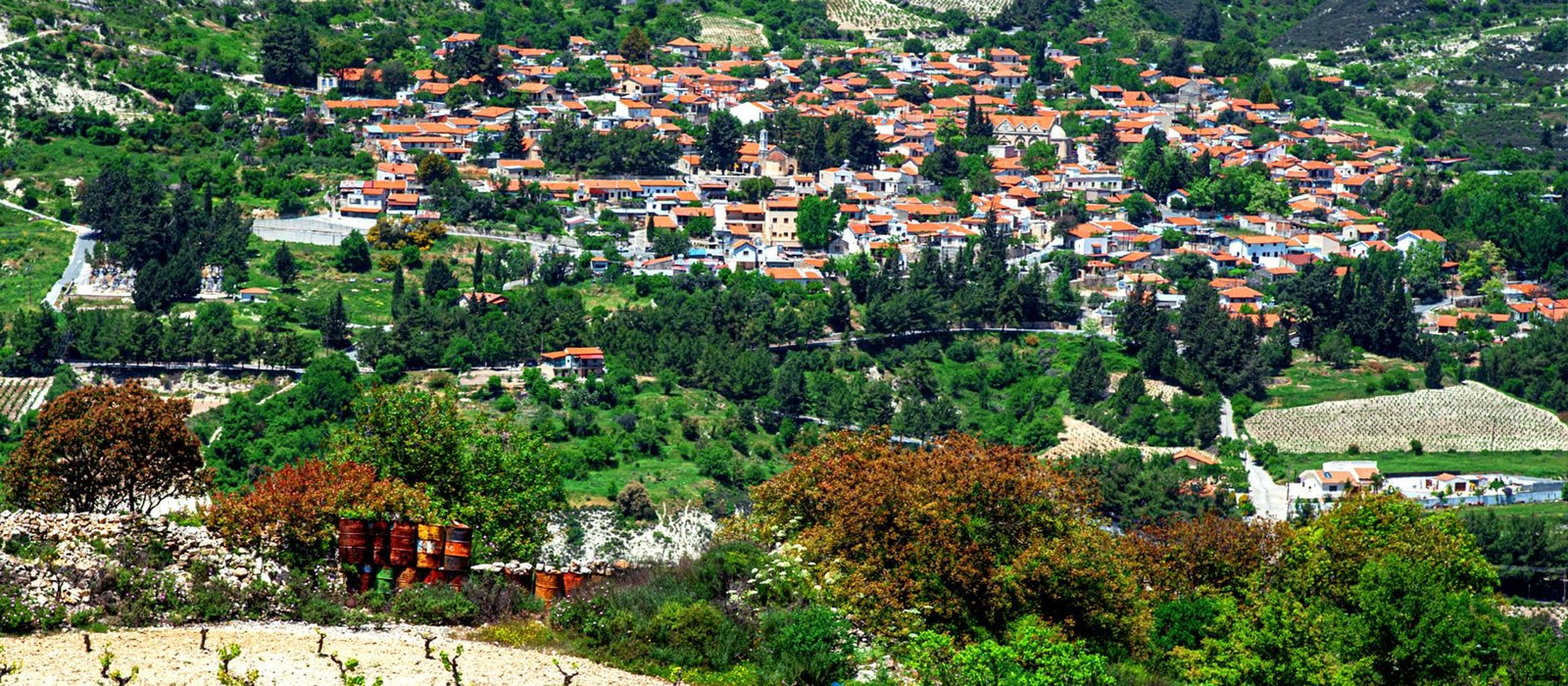
    Nestled in the Troodos Mountains, Lofou is one of the most picturesque villages in Cyprus. As you stroll through its narrow, winding streets, you’ll encounter traditional stone houses adorned with colorful flowers. Lofou is renowned for its commitment to preserving Cypriot culture, making it an ideal agrotourism destination.

    Culinary Delights

    While in Lofou, don’t miss the opportunity to indulge in local delicacies. The village is famous for its homemade Commandaria wine, a sweet dessert wine that has been produced for centuries. Additionally, many local taverns offer traditional Cypriot dishes, such as kleftiko (slow-cooked lamb) and moussaka. Pair these dishes with fresh, local ingredients sourced from nearby farms, and you’ll truly taste the essence of Cyprus.

    Best Agrotourism Destinations in Rural Cyprus
    Best Agrotourism Destinations in Rural Cyprus

    2. Omodos Village: A Wine Lover’s Paradise

    Wine Tours and Tastings

    Omodos is another must-visit destination, especially for wine enthusiasts. Known for its excellent wineries, this village is set amidst beautiful vineyards that produce some of the finest wines in Cyprus. Many local wineries offer tours and tastings, allowing visitors to learn about the winemaking process while sampling exquisite varieties.

    Cultural Heritage

    In addition to wine, Omodos is rich in cultural heritage. The village’s Timios Stavros Monastery is a historic site worth visiting. Its stunning architecture and tranquil surroundings create a perfect backdrop for a peaceful afternoon. While you’re there, be sure to check out the local craft shops, where you can find traditional handicrafts, including handmade lace and ceramics.

    3. Kakopetria: Nature and Serenity

    Natural Beauty

    Located in the Solea Valley, Kakopetria offers breathtaking views and a serene atmosphere. This village is ideal for nature lovers, with numerous hiking trails that meander through the surrounding forests and hills. You can explore the lush landscapes and enjoy the fresh mountain air, making it a perfect escape from the hustle and bustle of city life.

    Agrotourism Activities

    Kakopetria is home to several agrotourism farms that welcome visitors. Engage in hands-on activities such as picking fruits, learning about sustainable farming practices, or participating in traditional cooking classes. These experiences provide a deeper understanding of local agriculture while allowing you to connect with the friendly farmers who are eager to share their knowledge.

    4. Platres: The Ultimate Retreat

    Charming Accommodations

    For a luxurious agrotourism experience, consider visiting Platres, known for its charming guesthouses and cozy accommodations. Nestled in the Troodos Mountains, this village is famous for its cool climate and stunning scenery, making it a popular retreat year-round.

    Local Produce and Markets

    While exploring Platres, don’t miss the local markets where you can find fresh produce, homemade jams, and artisanal cheeses. Many guesthouses also serve farm-to-table meals, ensuring that you savor the best of local flavors. Whether it’s a hearty breakfast or a traditional Cypriot dinner, you’ll enjoy the freshest ingredients straight from the farm.

    Exploring the serene landscapes of Pedoulas offers a perfect escape from the digital world. While our village celebrates authentic agrotourism, we understand some visitors enjoy different forms of leisure. For those interested, researching reputable online betting platforms can be done responsibly from your accommodation. Ultimately, the true win is found in connecting with Cyprus’s rural heart and traditions.

    We invite you to discover the simple pleasures of village life and local cuisine, making memories far from the hustle of everyday routines.

    5. Pano Lefkara: A Cultural Treasure

    Famous for Lace and Silver

    Pano Lefkara is a charming village renowned for its traditional lace-making and silver handicrafts. As you wander the streets, you’ll come across skilled artisans crafting beautiful pieces that make for perfect souvenirs. Engaging with the locals and witnessing their craftsmanship is a unique experience that brings the village’s heritage to life.

    Gastronomic Experiences

    In addition to its crafts, Pano Lefkara offers culinary delights. Try the village’s signature dish, Lefkara cheese, which is often served in local taverns. Don’t forget to sample some homemade pastries and local wines, making your visit a true feast for the senses.

    Conclusion

    The best agrotourism destinations in rural Cyprus offer a delightful blend of culture, nature, and gastronomy. From the enchanting villages of Lofou and Omodos to the serene beauty of Kakopetria, each destination presents unique opportunities for exploration and immersion in local life. By choosing agrotourism, you not only enjoy authentic experiences but also support the local communities and their traditions. So pack your bags, and get ready to discover the rich agricultural heritage and warm hospitality that Cyprus has to offer!

  • How Agrotourism Supports Local Communities in Cyprus

    How Agrotourism Supports Local Communities in Cyprus

    Agrotourism in Cyprus is more than just a way to explore the island’s stunning countryside. It plays a vital role in supporting local communities by preserving cultural heritage, promoting sustainable practices, and boosting local economies. When travelers engage in agrotourism, they directly contribute to the livelihoods of Cypriot farmers, artisans, and small businesses. This article explores how agrotourism supports local communities in Cyprus and why it’s a win-win for visitors and residents alike.

    1. Economic Benefits of Agrotourism

    Empowering Small Businesses

    One of the most significant ways agrotourism supports local communities in Cyprus is through its economic impact. Many small villages across the island rely on tourism to sustain their local businesses. Agrotourism brings visitors directly to these areas, where they can purchase locally-made products, enjoy farm-to-table meals, and book accommodations in family-run guesthouses. This influx of income helps sustain small farms, local markets, and traditional craftspeople.

    Job Creation and Growth

    Agrotourism also creates jobs within the community. Whether it’s through guiding tours, managing accommodations, or providing culinary experiences, locals benefit from the additional employment opportunities. As the demand for authentic, rural experiences grows, more locals are getting involved in various aspects of the tourism industry, boosting the overall economic health of these regions.

    How Agrotourism Supports Local Communities in Cyprus
    How Agrotourism Supports Local Communities in Cyprus

    2. Preserving Cultural Heritage

    Keeping Traditions Alive

    Cyprus has a rich agricultural heritage, and agrotourism helps preserve these age-old traditions. Visitors have the opportunity to learn about traditional farming techniques, food production, and artisanal crafts that have been passed down through generations. By engaging with local farmers and artisans, tourists help keep these practices alive.

    For example, many agrotourism tours offer hands-on workshops in bread-making, olive harvesting, or pottery. These interactive experiences not only provide tourists with unique insights into Cypriot culture but also ensure that traditional knowledge is passed on to younger generations, preserving the island’s cultural identity.

    Supporting Local Festivals and Celebrations

    Agrotourism often coincides with local festivals and seasonal celebrations. Whether it’s grape harvesting in the autumn or olive oil pressing in the winter, tourists who visit during these events contribute to the preservation of these cultural traditions. Their participation helps maintain the vibrancy of these festivals, which are central to the social fabric of Cypriot village life.

    3. Promoting Sustainable Tourism

    Environmental Conservation

    Agrotourism encourages sustainable practices that benefit both the environment and the local economy. Many agrotourism ventures in Cyprus emphasize organic farming, eco-friendly accommodation, and sustainable land management. Tourists who choose to stay in eco-friendly lodges or participate in organic farming activities directly support environmentally responsible practices.

    By promoting small-scale, sustainable farming, agrotourism reduces the reliance on mass-produced food and harmful agricultural methods. This creates a positive cycle where tourists learn about sustainability, while farmers are encouraged to continue eco-friendly practices, protecting Cyprus’ beautiful landscapes for future generations.

    Minimizing Over-Tourism in Urban Areas

    Another key benefit of agrotourism is its ability to alleviate the pressures of over-tourism in Cyprus’ urban centers and coastal resorts. By drawing visitors to the rural parts of the island, agrotourism helps distribute the economic benefits of tourism more evenly. This reduces strain on popular tourist areas while revitalizing smaller, often overlooked villages. As a result, Cyprus can offer a more sustainable and diverse tourism experience.

    4. Strengthening Community Bonds

    Encouraging Collaboration

    Agrotourism fosters a sense of community by encouraging collaboration between local businesses, farmers, and artisans. Many agrotourism projects are collective efforts, with various community members working together to create a holistic experience for visitors. This teamwork strengthens social bonds and builds a strong, resilient local economy.

    For instance, a village might combine farming tours with culinary experiences, where tourists first visit the farms to learn about the local produce, followed by a meal prepared by local chefs using those ingredients. This collaborative effort ensures that multiple community members benefit from tourism, reinforcing a sense of unity and mutual support.

    Promoting Cultural Exchange

    Agrotourism offers a unique platform for cultural exchange. Visitors from around the world get to interact with locals, learn about their way of life, and share their own experiences. This exchange fosters understanding and builds long-lasting connections between tourists and the communities they visit.

    For the locals, engaging with travelers offers an opportunity to showcase their pride in their heritage and traditions. It also encourages younger generations to remain involved in traditional practices, knowing that there is interest and appreciation from outsiders.

    Conclusion

    Agrotourism is a powerful tool for supporting local communities in Cyprus. By fostering economic growth, preserving cultural traditions, promoting sustainability, and strengthening community bonds, this form of tourism creates a positive impact on the island. Visitors not only gain a deep understanding of Cypriot heritage but also play a crucial role in its preservation. When you choose agrotourism in Cyprus, you’re not just exploring the land—you’re becoming part of the effort to sustain its people and culture for years to come.

  • Best Local Foods to Try on Agrotourism Tours

    Best Local Foods to Try on Agrotourism Tours

    Cyprus boasts a vibrant food culture, especially on agrotourism tours where culinary experiences shine. Whether you wander through the countryside or a traditional village, you’ll discover local cuisine rich in Mediterranean and Middle Eastern flavors. Here’s a guide to the best local foods to try, satisfying your taste buds and deepening your connection to Cypriot traditions.

    1. Halloumi Cheese: The King of Cypriot Cheese

    No visit to Cyprus is complete without halloumi, the island’s signature cheese. Made from a mix of goat and sheep’s milk, this semi-hard cheese offers a slightly salty taste, perfect for grilling or frying. During agrotourism tours, you can visit traditional dairy farms, observe the cheese-making process, and even try making halloumi yourself. Locals often serve it with fresh herbs, olive oil, or paired with watermelon—a popular Cypriot summer treat.

    How It’s Traditionally Eaten

    Halloumi is incredibly versatile. You’ll find it grilled as an appetizer, diced in salads, or tucked into pitas. The cheese’s squeaky texture adds to its charm, and on tours, you can enjoy it at its freshest, straight from the farm.

    2. Kleftiko: A Slow-Cooked Lamb Dish

    Another must-try on your agrotourism tour is kleftiko, a traditional Cypriot lamb dish. It cooks slowly in a sealed clay oven, a technique rooted in history. The name “kleftiko” means “thief,” referencing how bandits once hid underground ovens to cook meat without detection. Today, kleftiko is a beloved dish in Cypriot homes.

    An Authentic Taste of Cyprus

    Cooked with garlic, lemon, and herbs, kleftiko is tender and bursting with flavor. Many agrotourism tours take you to local tavernas where you can see the traditional preparation method. The long cooking process allows the meat to absorb aromatic flavors, creating a melt-in-your-mouth experience.

    3. Souvla: Cypriot Barbecue Tradition

    For an authentic taste of Cypriot outdoor cooking, souvla is essential. This traditional barbecue dish features large chunks of marinated pork, lamb, or chicken, skewered and cooked slowly over charcoal. It’s popular at festivals and family gatherings, so if you join a local celebration, you’ll likely encounter it.

    Flavors of the Countryside

    Typically marinated in olive oil, lemon, and oregano, souvla cooks to crispy perfection while remaining tender inside. It’s served with sides like salad, potatoes, and pita bread, making it a hearty meal to enjoy during your tour.


    Best Local Foods to Try on Agrotourism Tours
    Best Local Foods to Try on Agrotourism Tours

    4. Fresh Olives and Olive Oil

    The Heart of Mediterranean Cuisine

    Cyprus has a long history of olive cultivation, and during your agrotourism tour, you’ll likely visit olive groves where you can learn about the olive harvesting and pressing process. Sampling fresh olives and tasting locally produced olive oil is an essential part of experiencing the island’s rural life.

    Taste the Difference

    From green to black olives, each variety offers a different flavor profile. And the olive oil, often paired with bread and herbs, is pure and full of robust, fruity flavors. You’ll gain an appreciation for this cornerstone of Cypriot cuisine as you taste the best the island has to offer.

    5. Loukoumades

    Sweet Honey-Soaked Treats

    If you have a sweet tooth, you’ll love loukoumades, small fried dough balls soaked in honey syrup. These delicious treats are often sprinkled with cinnamon or sesame seeds and are a common sight at village festivals and markets.

    Perfect End to a Meal

    Loukoumades are best enjoyed fresh, straight out of the fryer, and make the perfect end to a traditional Cypriot meal. You’ll find them offered at many of the food stops on your agrotourism tour, and they’re sure to leave you craving more.

    6. Commandaria Wine

    A Sip of History

    No food tour in Cyprus would be complete without tasting Commandaria, a sweet dessert wine that has been produced on the island for over 4,000 years. Made from sun-dried grapes, this wine has a rich, caramel-like flavor and is often enjoyed with dessert or cheese.

    The World’s Oldest Wine

    On your agrotourism tour, you’ll likely visit local wineries that specialize in Commandaria production, where you can learn about its ancient winemaking process. A glass of Commandaria is a perfect way to toast to your culinary journey through Cyprus.

    Conclusion

    Exploring the best local foods to try on agrotourism tours in Cyprus offers a delightful mix of flavors, history, and culture. From the savory richness of kleftiko to the sweet indulgence of loukoumades, these dishes reflect the island’s deep culinary heritage. By tasting these local foods, you’ll not only satisfy your palate but also gain a deeper connection to the traditions that have shaped Cypriot life for centuries. So, be sure to indulge in these culinary delights on your next agrotourism adventure in Cyprus.

  • Best Workshops to Join in Cyprus Agrotourism

    Best Workshops to Join in Cyprus Agrotourism

    Agrotourism in Cyprus offers a unique opportunity to dive deep into the island’s rural traditions and immerse yourself in hands-on learning experiences. From traditional craft-making to culinary delights, the workshops available are a fantastic way to discover the rich cultural heritage of Cyprus. Here’s a guide on the best workshops to join in Cyprus agrotourism, ensuring your visit is both educational and memorable.

    1. Traditional Cheese-Making Workshops

    Master the Art of Halloumi Cheese

    One of the most iconic foods of Cyprus is halloumi cheese, and learning how to make it is a must-do when exploring the island’s agrotourism offerings. Many villages offer traditional cheese-making workshops where you can learn the centuries-old process. You’ll get to participate in every step, from curdling the milk to shaping and preserving the cheese. At the end of the session, you’ll have the chance to taste the freshly made halloumi, often paired with local bread and olive oil.

    Learn to Make Anari

    In addition to halloumi, some workshops also teach you how to make anari, a soft, whey cheese that’s often used in desserts or served fresh. These workshops typically take place in small, family-run farms, where you’ll also have the opportunity to interact with the locals and get a glimpse of rural life in Cyprus.

    2. Wine-Making and Tasting Workshops

    Explore the Vineyards of Cyprus

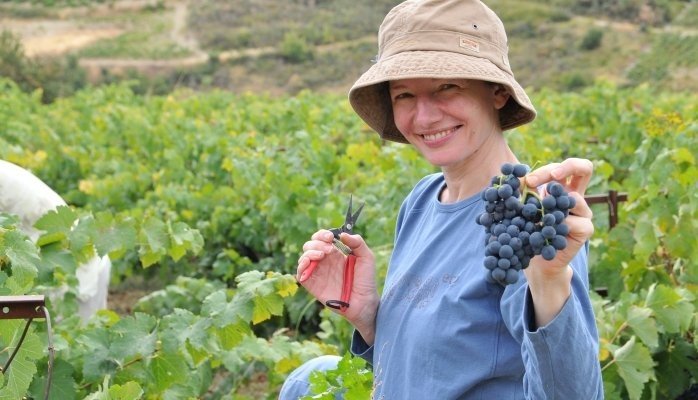
    Wine-making is a deeply rooted tradition in Cyprus, with a history that dates back thousands of years. By joining a wine-making workshop, you can learn how local wineries produce famous Cypriot wines like Commandaria and Xinisteri. These workshops usually start with a tour of the vineyard, followed by an in-depth look at the wine production process, from grape harvesting to fermentation. You’ll even get to participate in grape stomping during the right season!

    Wine Tasting Sessions

    Most wine-making workshops also include wine-tasting sessions, allowing you to sample a variety of locally produced wines. Expert guides will walk you through the tasting process, teaching you how to identify different flavors and aromas. It’s a perfect way to round off a day of learning while indulging in the best that Cyprus has to offer.

    3. Pottery and Craft Workshops

    Discover Traditional Pottery Techniques

    Craftsmanship is a big part of Cyprus’ agrotourism scene, and one of the most popular workshops to join is pottery-making. In villages like Phini and Kornos, local artisans offer workshops where you can try your hand at making traditional Cypriot pottery. You’ll learn about the different techniques used to create vases, jugs, and decorative pieces that are integral to Cypriot culture. These workshops often allow you to take home your creations as a unique souvenir of your trip.

    Weaving and Basketry

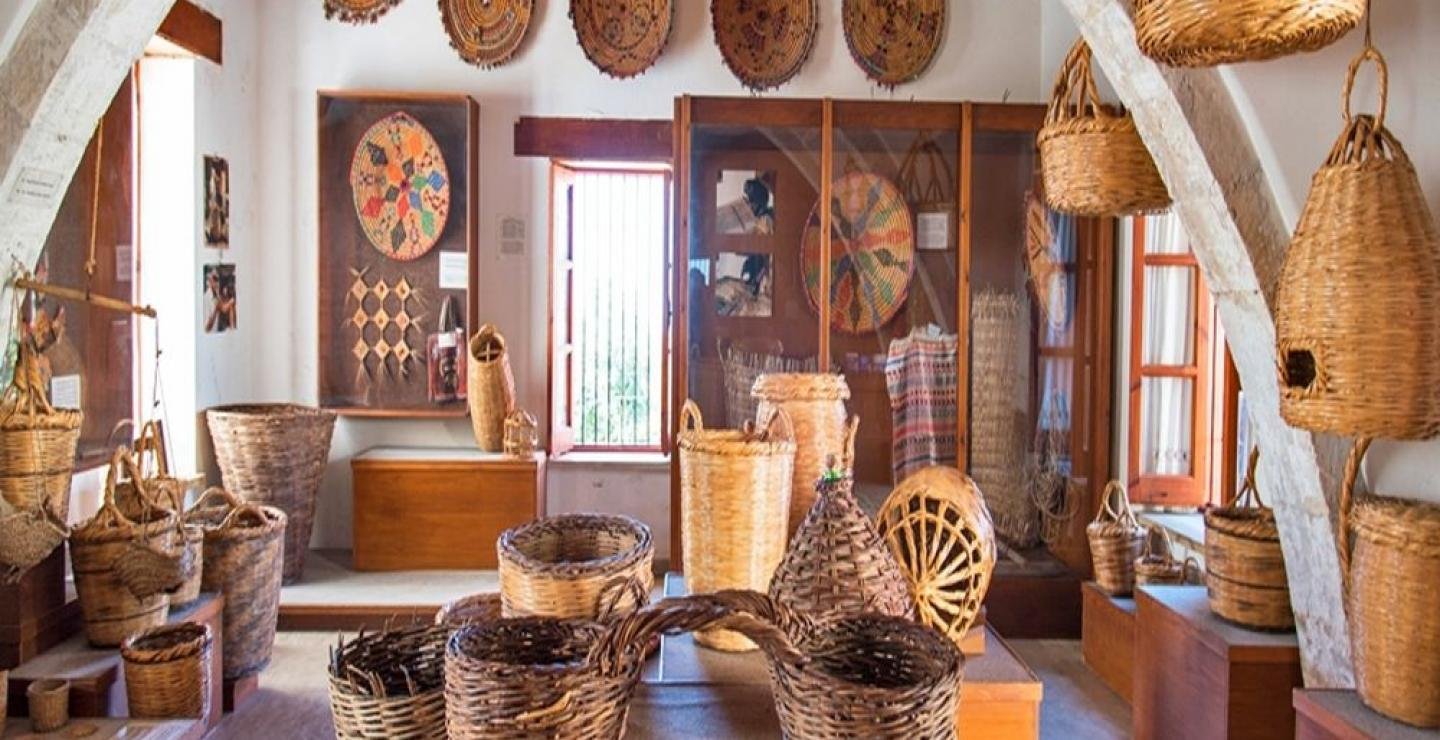
    In addition to pottery, some villages offer weaving and basketry workshops, where you can learn how to create baskets, rugs, and other textiles using traditional methods. These crafts have been passed down through generations and play an important role in rural Cypriot life. By participating, you not only learn a new skill but also contribute to the preservation of these ancient techniques.

    Best Workshops to Join in Cyprus Agrotourism
    Best Workshops to Join in Cyprus Agrotourism

    4. Olive Oil and Honey Production Workshops

    Learn How Olive Oil Is Made

    Olive oil is a staple in Cypriot cuisine, and there’s no better way to appreciate its importance than by participating in an olive oil production workshop. These workshops typically take place in olive groves, where you’ll learn about the harvesting and pressing process. You’ll also have the chance to taste freshly pressed olive oil, often accompanied by other local products like bread, cheese, and wine.

    Discover the World of Beekeeping

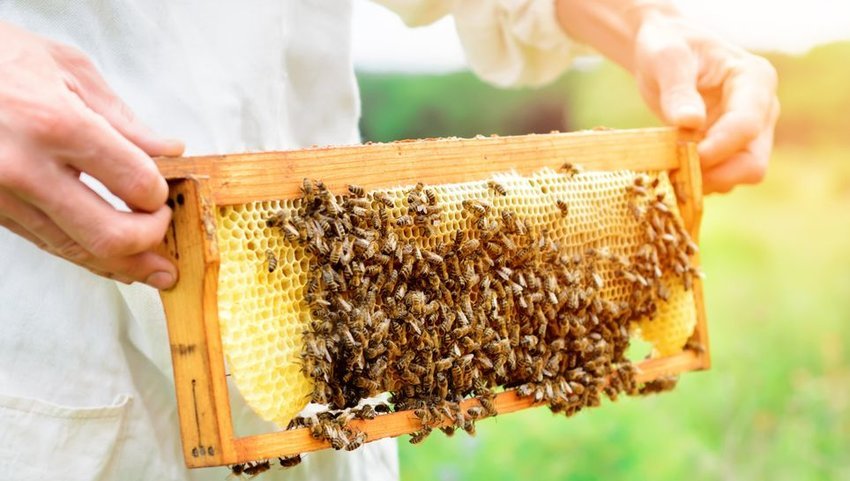
    Another unique experience in Cyprus agrotourism is honey production workshops. Learn about the fascinating world of bees, their role in the ecosystem, and how honey is harvested. Some workshops even allow you to suit up and get hands-on with the beehives. At the end, you’ll taste a variety of honey types and learn how each one is influenced by the flora that surrounds the hives.

    5. Farm-to-Table Cooking Workshops

    Cook Traditional Cypriot Dishes

    If you’re a food lover, a farm-to-table cooking workshop is the perfect way to experience Cypriot cuisine. These workshops start with a tour of a local farm, where you’ll pick fresh ingredients such as vegetables, herbs, and fruits. Then, under the guidance of local chefs, you’ll learn how to prepare traditional Cypriot dishes like moussaka, kleftiko, and loukoumades (sweet fried dough).

    Taste Your Culinary Creations

    After cooking, you’ll sit down with fellow participants to enjoy a meal made from the ingredients you harvested and prepared. It’s a delicious and rewarding way to learn about Cypriot cuisine and food culture, all while using the freshest local ingredients.

    Conclusion

    Cyprus is a hub for agrotourism, offering a variety of hands-on workshops that allow visitors to connect with the island’s rich traditions and rural heritage. Whether you’re learning how to make halloumi, crafting pottery, or cooking traditional dishes, these workshops offer a unique way to immerse yourself in local culture. By choosing the best workshops to join in Cyprus agrotourism, you’ll not only gain new skills but also support local communities and enjoy an authentic Cypriot experience. So, pack your curiosity and creativity and get ready for a memorable adventure in Cyprus’ beautiful countryside.

  • How to Choose Agrotourism Activities in Cyprus

    How to Choose Agrotourism Activities in Cyprus

    Cyprus offers a wealth of agrotourism experiences for travelers seeking a deeper connection with the island’s natural beauty and traditional culture. Whether you’re interested in farming, local cuisine, or handcrafted goods, there are endless ways to explore rural life in Cyprus. To make the most of your visit, it’s important to choose the right activities that align with your interests. Here’s a guide on how to choose agrotourism activities in Cyprus and enjoy an enriching rural getaway.

    How to Choose Agrotourism Activities in Cyprus
    How to Choose Agrotourism Activities in Cyprus

    1. Understanding the Range of Agrotourism Experiences

    Explore Different Types of Activities

    Agrotourism in Cyprus is diverse, offering everything from hands-on farm experiences to cultural workshops. Some popular activities include:

    • Farm tours: Learn about traditional farming practices, olive harvesting, or grape cultivation.
    • Cooking classes: Discover how to make Cypriot delicacies like halloumi cheese and souvlaki.
    • Craft workshops: Engage in traditional crafts such as pottery or basket weaving.
    • Wine tours: Visit local wineries and sample some of Cyprus’ renowned wines like Commandaria.

    Understanding the range of activities available can help you decide which ones resonate with your interests. Whether you’re passionate about food, nature, or culture, there’s an agrotourism activity suited for everyone.

    2. Consider Your Interests and Preferences

    Tailor Your Experience to Your Interests

    When choosing agrotourism activities in Cyprus, it’s important to think about what excites you. Are you fascinated by local foods? Then consider signing up for a farm-to-table cooking class or taking part in a local food festival. If you’re more interested in nature, perhaps a vineyard tour or hiking through olive groves would be the perfect fit.

    Additionally, think about how hands-on you want the experience to be. If you enjoy being actively involved, look for workshops where you can roll up your sleeves and participate. On the other hand, if you prefer a more relaxed experience, a guided farm tour or wine-tasting session may be more your style.

    Consider the Season

    Seasonality plays a big role in the types of agrotourism experiences available in Cyprus. During the fall, for instance, you can participate in grape harvests, while the winter months are ideal for olive picking. In spring, you’ll find fresh produce, blooming wildflowers, and opportunities to learn about planting season. Be sure to research which activities are available based on the time of your visit.

    3. Connect with the Local Community

    Choose Activities That Encourage Interaction with Locals

    One of the most enriching aspects of agrotourism is the opportunity to engage with the local community. Many rural villages in Cyprus offer family-run guesthouses where you can stay with locals, learn about their way of life, and take part in daily farm activities. When booking, look for accommodations or tours that are run by local families, as this can give you a more authentic experience.

    Additionally, ask about community-based workshops. Some villages host craft workshops or culinary classes where visitors and locals come together. These interactions not only make your trip more memorable but also help support the local economy.

    Support Sustainable Practices

    When selecting your agrotourism activities, prioritize those that focus on sustainable and eco-friendly practices. Cyprus has a rich tradition of farming that works in harmony with the environment. Look for farms that practice organic farming, water conservation, or promote biodiversity. By choosing these activities, you contribute to the preservation of the island’s agricultural heritage and protect its natural resources.

    4. Plan for a Well-Rounded Experience

    Mix Activities for a Balanced Itinerary

    When planning your agrotourism adventure, it’s helpful to create a well-rounded itinerary that mixes active and relaxing experiences. For example, after a morning spent learning how to make Cypriot cheese, you might want to unwind with an afternoon wine-tasting session in a nearby vineyard. Or, pair a farm tour with a stroll through one of the island’s beautiful villages to soak in the rural atmosphere.

    By diversifying your activities, you’ll gain a deeper understanding of the Cypriot way of life, from farming traditions to local craftsmanship and gastronomy. It also gives you the chance to appreciate both the agricultural practices and the cultural nuances of rural Cyprus.

    Opt for Guided Experiences

    While self-guided tours are available, guided tours often provide added insight. An experienced guide can offer historical context, share personal stories, and explain the significance of various farming techniques. Guided experiences often lead to more in-depth learning and provide the opportunity to ask questions, making your experience even more engaging.

    Conclusion

    Cyprus is a treasure trove of agrotourism activities that allow visitors to immerse themselves in the island’s rural traditions, savor local flavors, and connect with the land. By choosing agrotourism experiences that align with your interests, considering the season, and engaging with the local community, you can craft a meaningful and memorable trip. Whether you’re cooking Cypriot meals with locals, harvesting olives, or exploring family-run vineyards, each activity offers a unique glimpse into the rich agricultural heritage of Cyprus. Embrace the adventure, and discover a side of the island that most tourists never see.

  • How to Find Authentic Agrotourism Experiences in Cyprus

    How to Find Authentic Agrotourism Experiences in Cyprus

    Cyprus is an island known for its natural beauty, rich culture, and deep-rooted agricultural traditions. If you’re looking for a truly immersive experience, agrotourism is the perfect way to connect with the local way of life. Here’s how you can find authentic agrotourism experiences in Cyprus, enjoy the island’s rural landscapes, and engage with traditional Cypriot farming practices.

    1. Researching Agrotourism Destinations

    Explore Popular Agrotourism Areas

    When seeking authentic agrotourism experiences, it’s important to start with the right locations. Cyprus offers several regions known for their rural charm and agricultural significance. For instance, Troodos Mountains and Paphos District are home to small, picturesque villages where farming and traditional practices are still central to daily life.

    Look for accommodations like agrotourism guesthouses, which are often converted farmhouses, offering visitors a genuine taste of rural life. These areas are perfect for those who want to escape the bustling tourist hubs and immerse themselves in nature and tradition.

    Use Online Resources

    Thanks to the growing popularity of agrotourism, various online platforms cater to travelers seeking these experiences. Websites like Cyprus Agrotourism and Local Flavours can help you identify authentic farm stays, wineries, and rural activities that align with your interests. Be sure to read reviews from previous guests to ensure the authenticity of the experience

    How to Find Authentic Agrotourism Experiences in Cyprus
    How to Find Authentic Agrotourism Experiences in Cyprus

    2. Choose Activities that Highlight Tradition

    Farm Tours and Agricultural Workshops

    One of the best ways to dive into authentic agrotourism experiences in Cyprus is by visiting local farms. Many Cypriot farmers welcome tourists, offering guided tours of their vineyards, orchards, and olive groves. During these tours, you can learn about sustainable farming methods that have been passed down through generations. Look for farms that offer hands-on workshops where you can learn how to press olive oil, harvest grapes, or even make halloumi cheese.

    Participate in Local Harvests

    If you’re visiting Cyprus during the right season, you may have the opportunity to join in on the local harvest. The island’s farming calendar includes grape picking in the fall and olive harvesting in winter. These activities not only connect you to the land but also allow you to interact with local farmers and understand their deep connection to nature.

    3. Taste Traditional Cypriot Cuisine

    Dine at Farm-to-Table Restaurants

    Cyprus is famous for its delicious and wholesome cuisine, much of which is rooted in the island’s agricultural heritage. To truly experience the authentic agrotourism aspect of the island, seek out farm-to-table restaurants that use ingredients grown locally. Some of these establishments are located on farms themselves, allowing you to enjoy a meal surrounded by the fields where your food was grown.

    Dishes like kleftiko (slow-cooked lamb), louvi (black-eyed beans with greens), and souvlaki are staples of Cypriot cuisine. Make sure you try commandaria, the island’s famous sweet wine, or fresh pomegranate juice if you visit during autumn.

    Attend Food Festivals

    Many villages in Cyprus celebrate their agricultural heritage with food festivals throughout the year. Attending a local festival is one of the best ways to taste homemade traditional dishes and locally produced wines. Look out for events like the Grape Festival in Lania or the Pomegranate Festival in Oroklini, where you can enjoy regional flavors and take part in local customs.

    4. Engage with the Community

    Stay in Family-Run Guesthouses

    An authentic agrotourism experience goes beyond the activities—it’s also about connecting with the local people. When planning your trip, opt for family-run guesthouses where you can interact with locals on a personal level. Many of these hosts are passionate about sharing their way of life and are more than happy to introduce you to their farming traditions and local customs.

    Join Community Workshops

    In addition to farming activities, many villages in Cyprus offer workshops where visitors can learn traditional crafts such as basket weaving, pottery making, or wine production. These workshops often take place in community centers, allowing you to engage with both artisans and other visitors interested in Cypriot heritage.

    Conclusion

    Finding authentic agrotourism experiences in Cyprus is about more than just visiting a farm. It’s about immersing yourself in the island’s rural life, engaging with locals, and learning the traditions that have shaped Cypriot culture for centuries. Whether you’re staying in a family-run guesthouse, participating in a harvest, or enjoying a meal at a farm-to-table restaurant, Cyprus offers endless opportunities to experience the authenticity of its countryside. By exploring these rural treasures, you’ll leave with a deeper understanding of the island’s agricultural heritage and its welcoming spirit.

  • Best Times of Year to Enjoy Agrotourism in Cyprus

    Best Times of Year to Enjoy Agrotourism in Cyprus

    Cyprus is not only known for its sun-kissed beaches and ancient history but also for its thriving agrotourism. If you’re looking to experience the rural side of this Mediterranean gem, agrotourism offers an authentic journey through traditional farming, local produce, and village life. Choosing the right time to visit is crucial to ensure you make the most of the seasons and activities. Let’s explore the best times of year to enjoy agrotourism in Cyprus.

    1. Spring: A Time of Bloom and Renewal

    Perfect Weather for Exploration

    Spring, from March to May, is one of the best times of year to enjoy agrotourism in Cyprus. The weather is mild and pleasant, making it ideal for outdoor activities. During this period, the countryside transforms into a colorful landscape, with wildflowers blanketing the fields. The fresh air and moderate temperatures create perfect conditions for exploring Cyprus’ rural villages and farms.

    Seasonal Produce and Activities

    Spring also marks the start of the agricultural season. Many farms welcome visitors to witness the planting and growth of crops. You can participate in activities like olive tree pruning, sheep shearing, and even some early harvests, such as green almonds and wild asparagus. The famous Lefkara village, known for its lace-making and olive groves, is particularly lovely this time of year.

    Best Times of Year to Enjoy Agrotourism in Cyprus
    Best Times of Year to Enjoy Agrotourism in Cyprus

    2. Summer: Harvest Festivals and Outdoor Feasts

    Experience the Peak of Harvest

    Summer, from June to August, is the busiest season for farmers in Cyprus. If you want to experience agrotourism at its peak, this is when you can see the harvest of summer fruits like grapes, figs, watermelons, and melons. It’s also grape season, and many villages celebrate with wine festivals, where you can sample local wines and enjoy traditional food.

    Festivals Celebrating Rural Life

    Summer in Cyprus brings a wave of vibrant village festivals. The Dionysia Wine Festival in the Troodos Mountains celebrates the island’s rich wine-making history, while the Figs and Honey Festival highlights two essential Cypriot crops. These festivals are filled with traditional music, dancing, and food, offering visitors a genuine taste of rural life.

    3. Autumn: The Season of Harvest and Wine

    Autumn Colors and Crisp Air

    From September to November, autumn brings cooler temperatures, making it a pleasant time to explore the countryside. The landscapes are painted in golden and amber hues, offering a stunning backdrop for agrotourism activities. The cooler air is perfect for long walks through vineyards, olive groves, and citrus orchards.

    Wine and Olive Harvest

    Autumn is synonymous with the grape and olive harvests in Cyprus. Many villages, especially in the Limassol and Paphos districts, host grape-picking events where you can try your hand at traditional methods of making wine and Zivania, a local spirit. In October, the olive harvest begins, and visitors are often invited to join in the picking and pressing of olives to produce the season’s fresh olive oil.

    4. Winter: A Quiet Retreat with Local Flavors

    Enjoy Tranquility and Local Charm

    Winter, from December to February, offers a quieter, more tranquil experience of agrotourism in Cyprus. While many farms are in the off-season, this is a great time to immerse yourself in village life. Many villages offer cozy accommodations where you can experience traditional Cypriot hospitality. It’s the perfect time to relax, enjoy local food, and experience the slower pace of rural life.

    Seasonal Delicacies

    Though winter isn’t known for its abundance of fresh produce, there are still plenty of local flavors to enjoy. Citrus fruits, including oranges, lemons, and grapefruits, are at their peak during winter, and many farms open their doors to visitors to sample these juicy treats. Additionally, Cypriots prepare traditional Christmas pastries, such as kourabiedes (almond cookies) and melomakarona (honey biscuits), which are a must-try during this season.

    Conclusion

    No matter when you visit, agrotourism in Cyprus offers a year-round opportunity to immerse yourself in the island’s agricultural and rural traditions. From the colorful blooms of spring to the bustling harvests of summer and autumn, and the peaceful retreat of winter, each season brings unique experiences for travelers. The best times of year to enjoy agrotourism in Cyprus depend on the activities you’re most interested in, whether it’s participating in harvest festivals, exploring vineyards, or savoring local winter flavors. Whenever you go, you’re sure to create lasting memories in the heart of Cyprus’ countryside.