Category: Agrotourism in Cyprus

  • Strategies for Booking Agrotourism Tours in Cyprus

    Strategies for Booking Agrotourism Tours in Cyprus

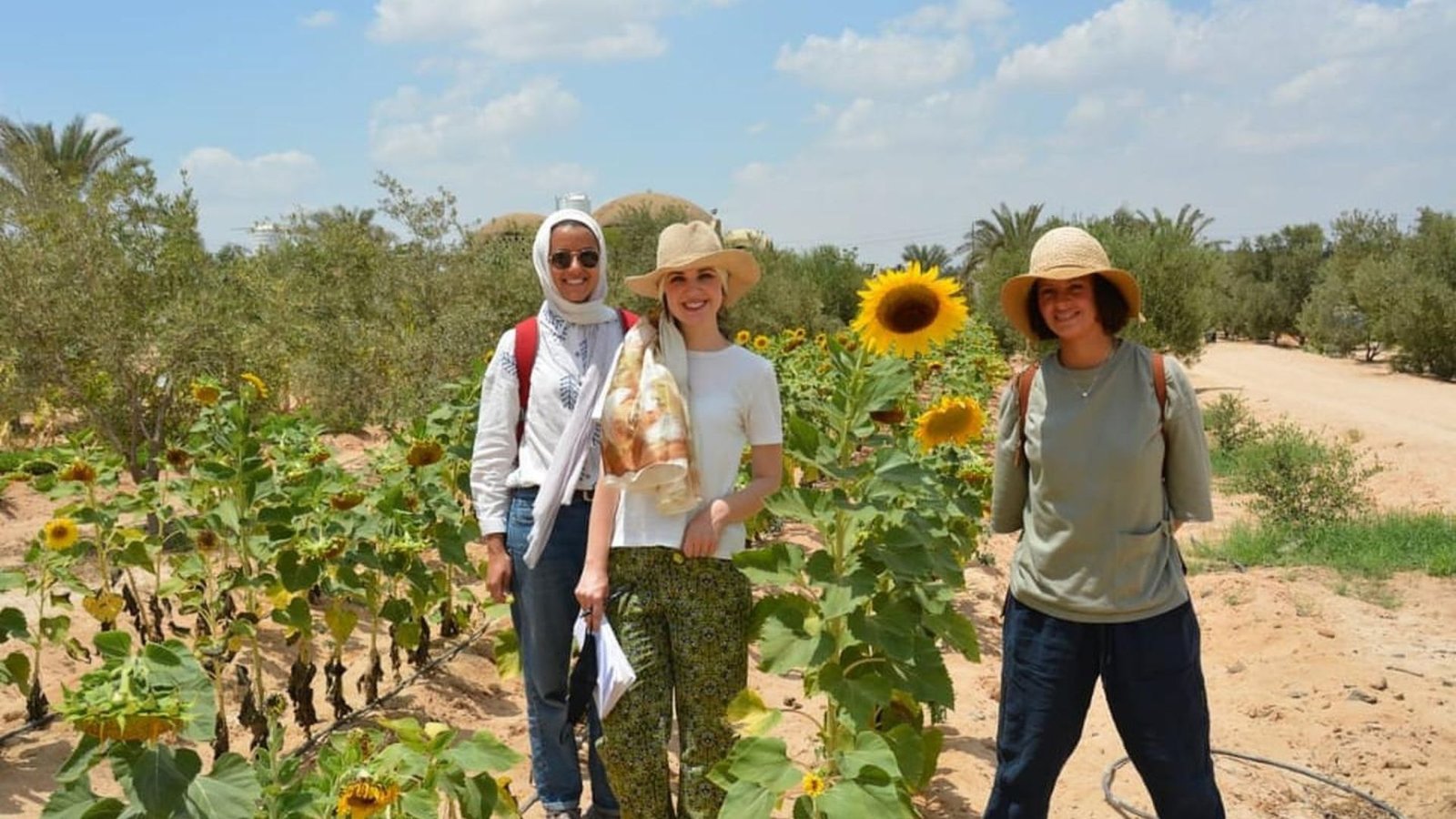
    If you’re considering a trip to experience the rural charm of Cyprus, knowing the best strategies for booking agrotourism tours in Cyprus is essential. With the rise of sustainable travel, agrotourism is gaining popularity as visitors seek to explore traditional farms, olive groves, and vineyards. Cyprus offers a unique opportunity to connect with the island’s agricultural roots, and by booking the right tour, you can immerse yourself in authentic Cypriot life. In this article, we’ll outline some effective strategies to help you book the perfect agrotourism tour in Cyprus.

    Research Local Farms and Agrotourism Providers

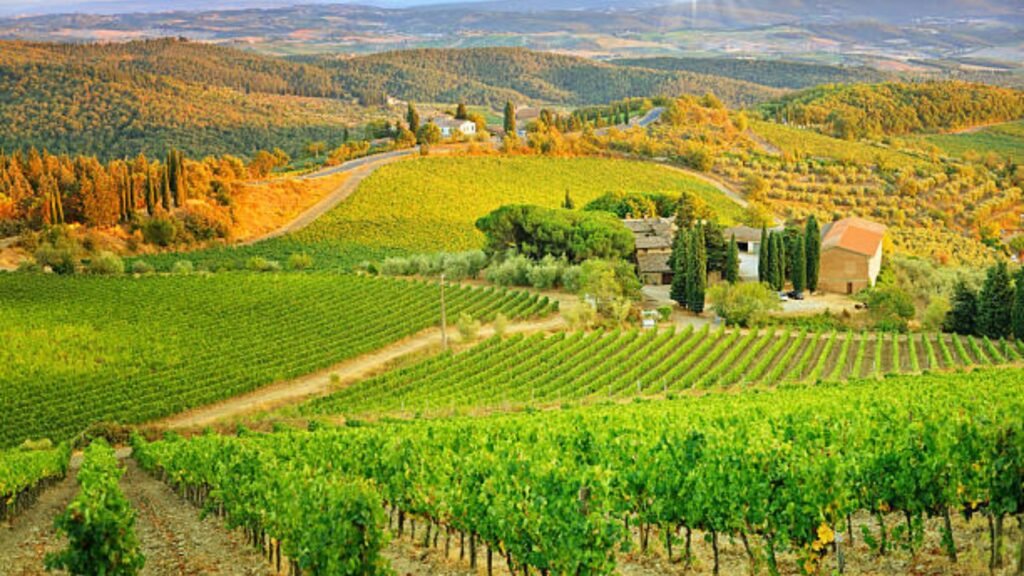
    One of the first steps in booking agrotourism tours in Cyprus is conducting thorough research. Cyprus has a range of family-run farms, olive groves, and vineyards that welcome visitors. Look for local agrotourism providers who offer personalized experiences. Many small farms have websites or social media profiles where they post tour details, seasonal activities, and available packages. You can also check reviews on platforms like TripAdvisor to get an idea of what other travelers have enjoyed.
    Booking Agrotourism Tours in Cyprus
    Booking Agrotourism Tours in Cyprus

    Book Directly Through Farm Websites

    Whenever possible, it’s best to book directly through the farm or agrotourism provider’s website. This not only ensures you get the most accurate information, but it also supports local businesses by cutting out third-party fees. Most farms that offer agrotourism tours in Cyprus will have booking options on their websites, allowing you to choose a tour that fits your schedule. Booking directly can also provide you with more flexible cancellation policies and the ability to ask specific questions about your visit.

    Choose the Right Season for Your Tour

    Timing is everything when it comes to booking agrotourism tours in Cyprus. Each season offers different agricultural experiences, so it’s essential to plan your tour based on what you want to see or do. For example, the olive harvesting season typically takes place from October to January. If you’re keen on learning about olive oil production, this is the best time to visit. Similarly, if you want to witness grape harvesting or learn about winemaking, summer and early autumn are ideal times to book a tour.

    Look for Package Deals

    Many agrotourism providers in Cyprus offer package deals that include multiple experiences in one day. When booking agrotourism tours in Cyprus, look for packages that combine farm visits, tastings, and hands-on activities. Some packages may even include traditional meals made with local ingredients. Not only does this provide great value for money, but it also ensures you get a well-rounded experience. Packages are also perfect for families or groups who want to experience a variety of agricultural practices in one visit.

    Check for Small Group Tours or Private Experiences

    Another key strategy for booking agrotourism tours in Cyprus is opting for small group tours or private experiences. Smaller tours often allow for more interaction with the farmers, providing a more intimate and personalized experience. You’ll have the opportunity to ask questions, participate in activities, and learn in-depth about the farm’s practices. Private tours, though more expensive, offer the flexibility to tailor your visit to your interests and make the most out of your agrotourism adventure.

    Combine Agrotourism with Cultural Experiences

    When planning your tour, consider combining agrotourism with other cultural experiences. Many regions in Cyprus that are known for their farms are also rich in cultural history. You can pair your agrotourism tour in Cyprus with a visit to nearby villages, museums, or archaeological sites. This not only enhances your trip but also gives you a deeper understanding of Cypriot culture and traditions. For example, you could explore the village of Lefkara, famous for its lace-making, after visiting a nearby olive grove.

    Conclusion

    In conclusion, booking agrotourism tours in Cyprus can be an enriching way to connect with the island’s agricultural heritage. By doing thorough research, choosing the right season, and opting for personalized tours, you’ll ensure a memorable and unique experience. Whether you’re visiting olive groves or learning about winemaking, Cyprus offers a variety of authentic experiences that provide insight into the country’s rural traditions. Take the time to book wisely, and your agrotourism adventure will be a highlight of your trip to Cyprus.


  • Top Olive Groves for Agrotourism in Cyprus

    Top Olive Groves for Agrotourism in Cyprus

    If you’re planning a trip to Cyprus and want to experience the island’s rich agricultural traditions, visiting the top olive groves for agrotourism in Cyprus should be on your list. Olive trees have been a staple of the Cypriot landscape for thousands of years, and today, many olive groves welcome visitors to learn about the cultivation of olives, olive oil production, and the island’s agricultural heritage. In this article, we’ll guide you through some of the best olive groves to visit for an authentic agrotourism experience in Cyprus.

    Kouyiouka Organic Olive Grove

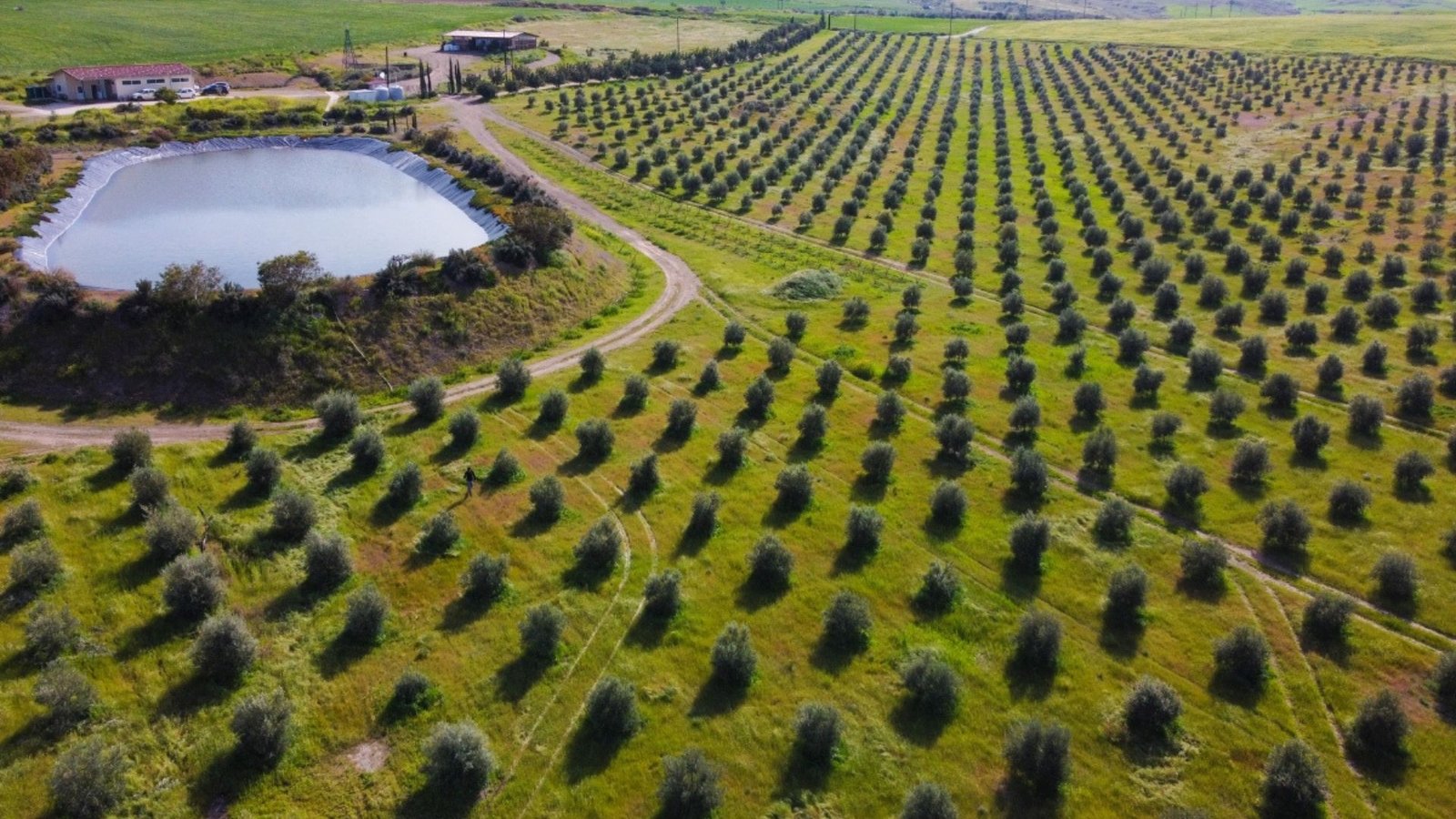
    When it comes to olive groves for agrotourism in Cyprus, Kouyiouka Organic Olive Grove is a must-visit. Located near the village of Kallepia in the Paphos district, this organic farm offers visitors the chance to see how olives are grown without harmful pesticides or fertilizers. You’ll learn about the organic farming process, tour the olive fields, and even participate in the olive harvesting if you visit during the right season. A visit here is a fantastic way to get hands-on with the island’s olive-growing traditions.

    Olive Groves for Agrotourism in Cyprus
    Olive Groves for Agrotourism in Cyprus

    Oleastro Olive Park

    Situated in the picturesque village of Anogyra, the Oleastro Olive Park is another great destination for those interested in olive groves for agrotourism in Cyprus. This park is a blend of both olive grove and museum, making it a wonderful educational experience for families and tourists. You’ll get to see the entire olive oil production process from tree to bottle and can sample some of the finest olive oil on the island. The park also features an eco-friendly mill, and visitors can learn about the ancient techniques used to produce olive oil for centuries.

    Ktima Gerolemo

    If you are looking for a more personalized agrotourism experience, Ktima Gerolemo is another top choice among olive groves for agrotourism in Cyprus. Located in the Limassol district, this family-run estate has been producing olive oil for generations. The owners offer guided tours where they share their knowledge about olive cultivation, oil production, and the sustainable practices they use to maintain the health of their trees. You’ll have the opportunity to taste freshly produced olive oil and even bring home a bottle or two. The warm and welcoming atmosphere makes Ktima Gerolemo an unforgettable experience.

    Ktima Dafermou

    For a unique combination of olive grove and vineyard, Ktima Dafermou is the perfect place to visit. Set in the heart of the Lefkara area, this estate is famous for both its olive oil and wine. Here, you can take a guided tour of the olive grove, learn about olive farming in Cyprus, and see how the olives are pressed into high-quality oil. Afterward, you can explore the winery and sample some of the local wine. It’s an ideal stop if you want to combine groves for agrotourism in Cyprus with a little wine tasting!

    Ktima Christoudia

    Another excellent choice for those interested in groves for agrotourism in Cyprus is Ktima Christoudia. This family-run olive grove is located near the village of Kato Drys and has been passed down through generations. The owners offer informative tours that give visitors a deep understanding of olive growing and oil production.

    Conclusion

    In conclusion, visiting the top olive groves for agrotourism in Cyprus is a rewarding way to connect with the island’s agricultural roots. Whether you’re walking through organic olive fields or tasting freshly pressed olive oil, these experiences offer a deeper understanding of the importance of olives in Cypriot culture. Make sure to include a visit to these olive groves in your next trip to Cyprus to enjoy an authentic agrotourism experience.

  • Ways of Experiencing Authentic Cypriot Agriculture

    Ways of Experiencing Authentic Cypriot Agriculture

    If you’re looking for a unique and memorable way to connect with nature, experiencing authentic Cypriot agriculture is the perfect way to do so. Cyprus, known for its beautiful landscapes and rich history, offers plenty of opportunities to immerse yourself in the agricultural traditions of the island. From olive picking to visiting local vineyards, there are many ways to experience the daily lives of Cypriot farmers. In this article, we’ll share different methods for experiencing authentic Cypriot agriculture so that you can make the most of your visit to the island.

    Explore Traditional Cypriot Farms

    One of the best ways to begin experiencing authentic Cypriot agriculture is by visiting traditional farms scattered across the island. Many farms in Cyprus open their doors to visitors, giving them the chance to see first-hand how local produce is grown and harvested. Whether it’s fruit, vegetables, or herbs, these farms showcase the island’s agricultural heritage. Families will enjoy the interactive experience of learning about the planting process, while food lovers can indulge in fresh, organic produce straight from the source.

    Experiencing Authentic Cypriot Agriculture
    Experiencing Authentic Cypriot Agriculture

    Participate in Olive Picking

    Cyprus is renowned for its olive groves, and olive picking is a tradition that has been passed down through generations. If you’re visiting during the olive harvest season, typically between October and December, you can join in the process. By participating, you’ll be experiencing authentic Cypriot agriculture in a very hands-on way. Olive picking not only connects you to the island’s farming traditions but also offers a deeper appreciation of how olives are transformed into the famous Cypriot olive oil.

    Visit Local Vineyards and Wineries

    No trip to Cyprus is complete without exploring its vineyards. The island’s wine production dates back thousands of years, making it one of the oldest wine-producing regions in the world. A visit to a local vineyard is a fantastic way to get into experiencing authentic Cypriot agriculture. You can tour the vineyards, learn about the grape varieties grown, and, of course, enjoy wine tastings. Some vineyards even offer the chance to participate in grape harvesting, making it a unique, immersive experience.

    Learn How to Make Halloumi Cheese

    It’s a hands-on experience that showcases the island’s dairy farming traditions, and the best part is that you can taste your creation at the end!

    Attend Agricultural Festivals

    Throughout the year, Cyprus holds various agricultural festivals that celebrate the island’s rich farming traditions. These festivals are a great way to immerse yourself in the culture while experiencing authentic Cypriot agriculture. Popular events include the wine festival in Limassol and the rose festival in Agros.

    Explore Fruit Orchards

    Cyprus is also famous for its citrus fruits, especially oranges and lemons. When planning your trip, be sure to visit a local orchard to witness the citrus harvest. Many orchards welcome visitors and provide an opportunity to pick fresh fruit straight from the trees. This is another hands-on way to engage with experiencing authentic Cypriot agriculture. It allows you to taste the fruits of the island’s fertile soil and learn about sustainable farming practices.

    Stay at an Agrotourism Lodge

    For a fully immersive experience, consider staying at an agrotourism lodge during your trip.  You’ll also enjoy fresh, home-cooked meals made with ingredients grown right on the farm.

    Learn About Beekeeping

    Cyprus has a long history of beekeeping, and honey is a staple in Cypriot cuisine. Many farms on the island offer beekeeping tours where you can learn about the importance of bees in agriculture. During these tours, you’ll observe the process of honey production and even get to sample fresh honey straight from the hive. This is a fun and educational way of experiencing authentic Cypriot agriculture while supporting the preservation of the island’s bee populations.

    Conclusion

    In conclusion, experiencing authentic Cypriot agriculture offers a deep and rewarding connection to the island’s culture and traditions. Whether it’s picking olives, visiting vineyards, or learning how to make traditional halloumi, every experience is a chance to see the heart of Cyprus’s agricultural lifestyle. So, next time you visit Cyprus, make sure to include these agricultural experiences in your itinerary for a truly unforgettable trip.

  • How to Plan a Family Agrotourism Trip in Cyprus

    How to Plan a Family Agrotourism Trip in Cyprus

    Planning a family agrotourism trip in Cyprus is a fantastic way to explore the natural beauty, culture, and rural life of the island. Cyprus is well known for its charming villages, traditional farms, and lush countryside. This type of trip not only provides an enriching experience for the whole family but also offers a break from busy city life. Whether you want to learn about farming practices, sample fresh local produce, or simply enjoy time together in nature, planning ahead is key to making the most of your family agrotourism trip in Cyprus.

    Choosing the Best Time for Your Family Agrotourism Trip in Cyprus

    When planning your family agrotourism trip in Cyprus, it’s important to consider the best time to visit. The island enjoys a Mediterranean climate, with hot summers and mild winters. Spring (April to June) and autumn (September to November) are ideal times to go, as the weather is pleasant, and the countryside is in full bloom. During these months, you can enjoy outdoor activities like hiking, fruit picking, and exploring nature without the intense summer heat. Choosing the right time will ensure your family enjoys the trip comfortably.

    How to Plan a Family Agrotourism Trip in Cyprus
    How to Plan a Family Agrotourism Trip in Cyprus

    Finding the Perfect Agrotourism Lodge

    Accommodation is a key part of your family agrotourism trip in Cyprus. Look for family-friendly agrotourism lodges that offer a mix of comfort and hands-on experiences. Many lodges are located in rural areas, giving you the chance to stay on traditional farms. These lodges often offer activities like cooking classes, farm tours, and animal feeding. Which can be fun and educational for children. Staying at one of these lodges gives your family the opportunity to connect with nature while enjoying authentic Cypriot hospitality.

    Planning Family-Friendly Activities

    One of the highlights of an agrotourism trip in Cyprus is the wide range of activities that cater to all ages. From farm tours where children can learn about local agriculture to hands-on workshops that teach you how to make traditional Cypriot foods, there’s something for everyone. You can explore vineyards, visit olive groves, or even learn how to milk goats. These activities are not only fun but also help the whole family understand sustainable farming practices. Be sure to check with your chosen lodge about the activities they offer so you can plan ahead.

    Packing the Essentials for Your Agrotourism Adventure

    When planning your family agrotourism trip in Cyprus, it’s important to pack wisely. Since you’ll likely be spending a lot of time outdoors, be sure to bring comfortable clothing, sunscreen, hats, and sturdy shoes for walking around farms and rural areas. If you’re visiting in the cooler months, pack a light jacket for the evenings. Also, consider bringing reusable water bottles to stay hydrated during your activities. Packing appropriately will help ensure your family stays comfortable and enjoys the adventure.

    Exploring the Local Culture and Cuisine

    An essential part of any family agrotourism trip in Cyprus is the chance to experience the local culture and cuisine. Many agrotourism lodges offer home-cooked meals made from locally sourced ingredients. Your family will have the opportunity to enjoy traditional Cypriot dishes like halloumi, souvlaki, and freshly baked bread. Some lodges even allow guests to participate in the cooking process, making it a fun family activity. Exploring local markets and festivals can also provide a deeper understanding of Cypriot traditions and customs.

    Supporting Sustainable Tourism

    By planning a family agrotourism trip in Cyprus, you are supporting sustainable tourism and helping local communities thrive. Many agrotourism lodges are committed to environmentally friendly practices, including organic farming and reducing their carbon footprint. When you choose to stay at these lodges, your family is contributing to the preservation of Cyprus’s natural and cultural heritage. This is a great way to teach children the importance of responsible travel and caring for the environment.

    Making the Most of Outdoor Adventures

    Cyprus is a paradise for nature lovers, and your family agrotourism trip wouldn’t be complete without exploring the island’s outdoor wonders. Many lodges offer guided nature walks, hiking trails, and opportunities to explore the local flora and fauna. Children will enjoy seeing wildlife, while parents can take in the stunning views of the countryside.

    Conclusion

    Planning a family agrotourism trip in Cyprus is an excellent way to create lasting memories while experiencing the island’s natural beauty and rich cultural traditions. From choosing the perfect lodge to exploring local farms and engaging in hands-on activities, every moment of your trip will bring something new and exciting. So, get ready to enjoy an unforgettable vacation surrounded by nature, culture, and delicious food.

  • Best Agrotourism Lodges in Cyprus

    Best Agrotourism Lodges in Cyprus

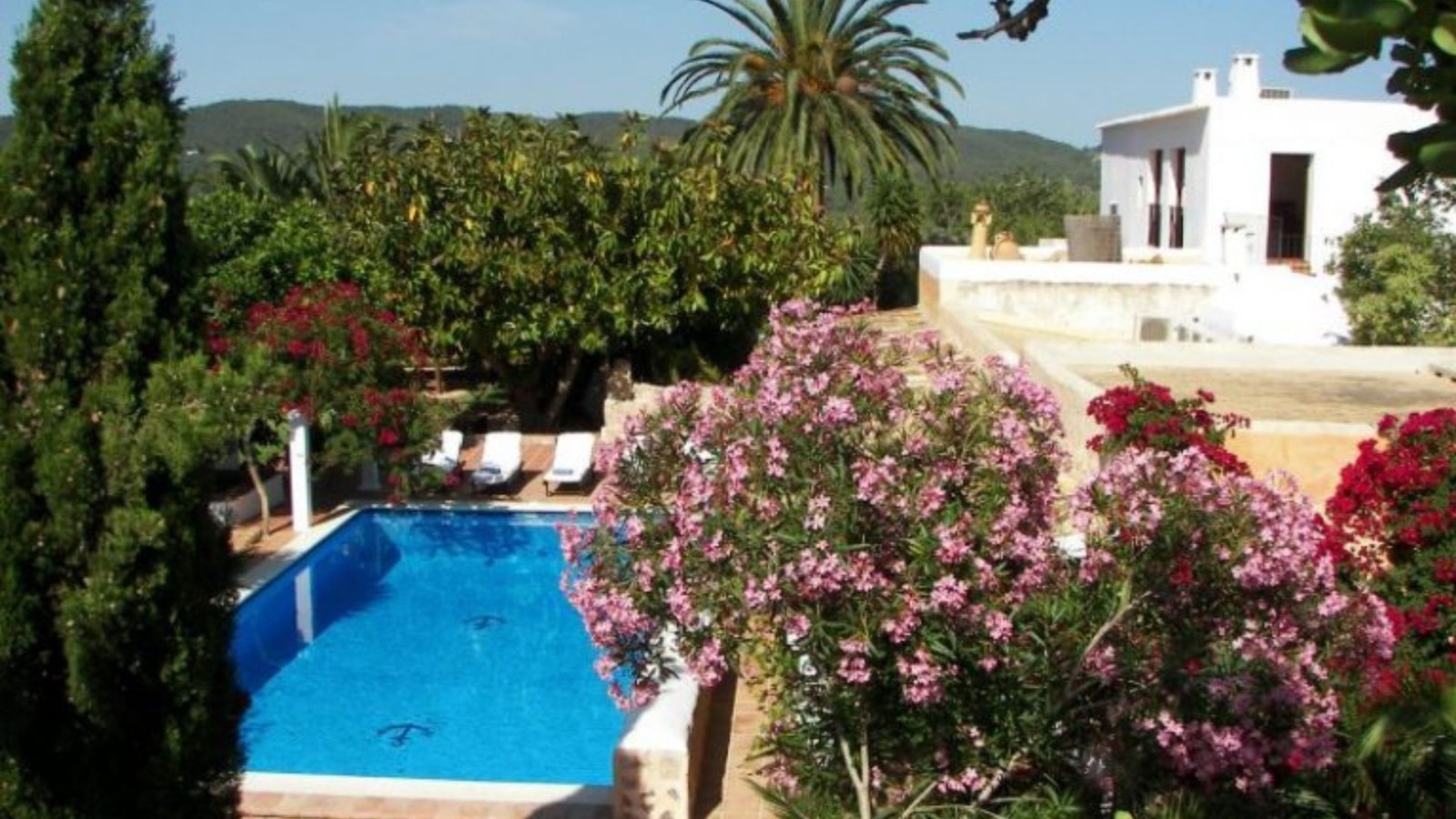
    If you’re looking to experience the natural beauty of Cyprus in a more authentic way, staying at Agrotourism Lodges in Cyprus is the perfect choice. These lodges offer a unique opportunity to immerse yourself in the rural lifestyle while enjoying the island’s picturesque landscapes. Whether you’re interested in traditional village life or eco-friendly accommodation, Cyprus has plenty of options to choose from. In this guide, we’ll highlight some of the best agrotourism lodges in Cyprus, where you can enjoy peace, nature, and cultural experiences.

    What to Expect from Agrotourism Lodges in Cyprus

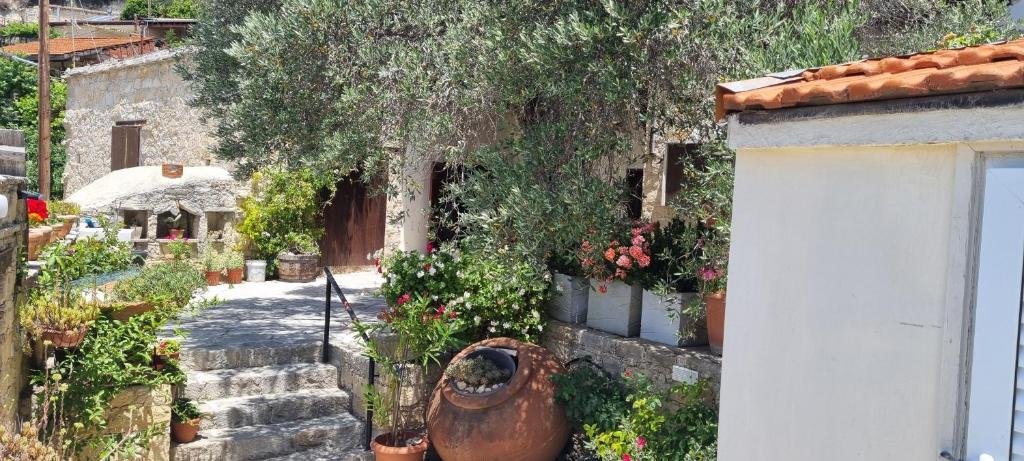
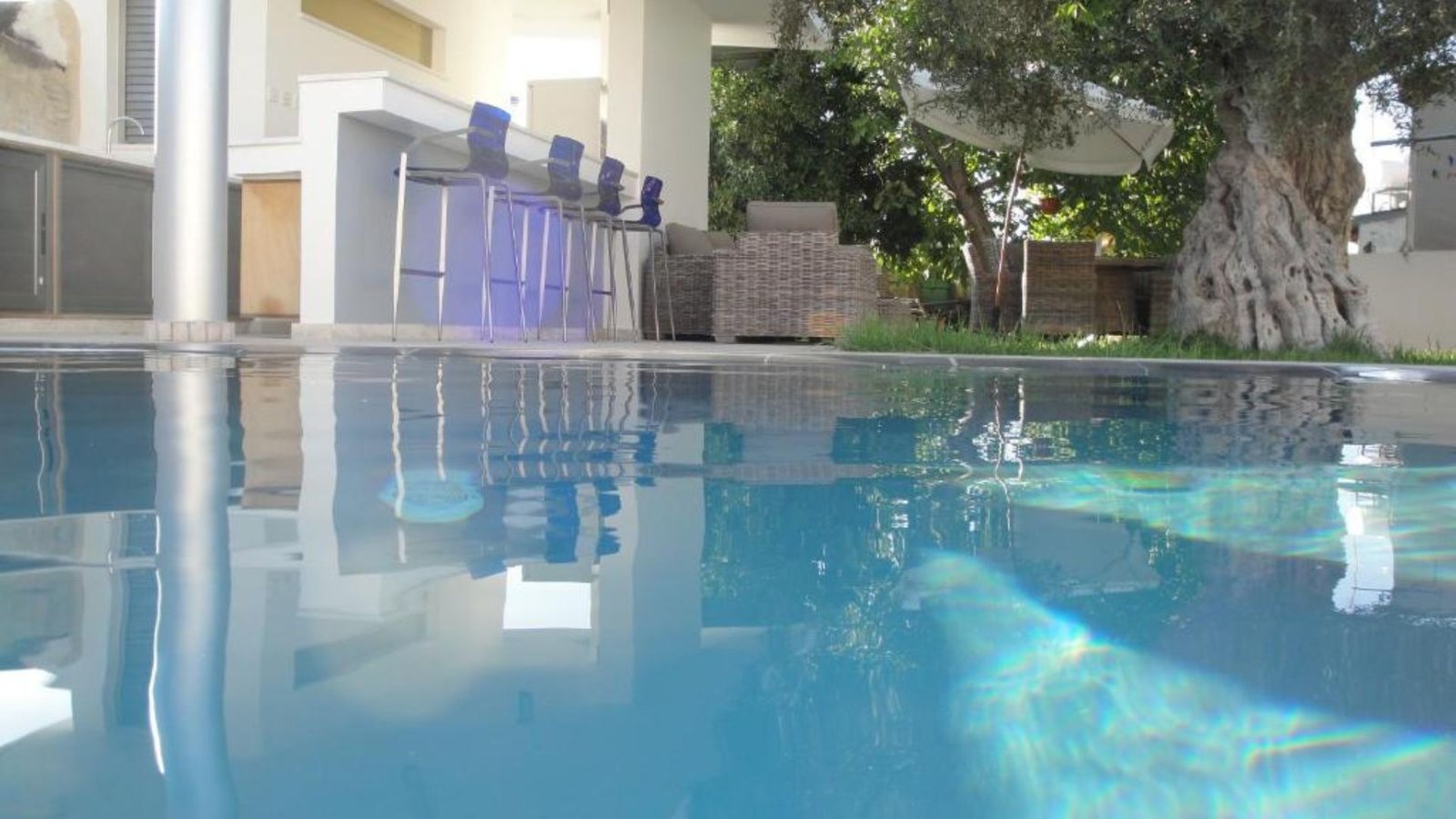
    When staying at Agrotourism Lodges in Cyprus, expect a blend of comfort and tradition. These lodges are often located in charming villages, surrounded by nature, and offer a quiet retreat away from the busy city life. Many lodges are housed in restored stone buildings or farmhouses, giving you a glimpse of authentic Cypriot architecture. They also provide home-cooked meals, often made with organic ingredients grown locally, allowing you to enjoy the fresh flavors of Cypriot cuisine. Staying in these lodges is not just about relaxation—it’s also about supporting local communities and sustainable tourism.

    An Agrotourism Lodge in Cyprus
    Agrotourism Lodges in Cyprus

    Vouni Lodge, Vouni Village

    One of the top Agrotourism Lodges in Cyprus is Vouni Lodge, located in Vouni Village. This beautiful lodge offers a mix of traditional charm and modern comfort. The stone-built house is perfect for those who want to enjoy a quiet village atmosphere. The rooms are cozy and decorated with traditional Cypriot furnishings, and you can spend your evenings relaxing by the fireplace. The lodge also offers stunning views of the Troodos Mountains, making it an ideal spot for nature lovers.

    Linos Inn, Kakopetria

    Linos Inn is another excellent option for agrotourism lodges in Cyprus. Located in the picturesque village of Kakopetria, Linos Inn combines traditional Cypriot architecture with a warm, welcoming atmosphere. The rooms are designed with stone walls, wooden beams, and rustic furniture, creating an authentic village feel. Guests can enjoy the peaceful environment and explore the nearby nature trails. The inn also has an on-site restaurant that serves delicious local dishes, using fresh ingredients sourced from the area.

    To Spitiko tou Archonta, Askas Village

    To Spitiko tou Archonta in Askas Village is a cozy lodge offering an authentic agrotourism experience in Cyprus. The lodge is set in a restored village house, giving you the chance to experience rural Cypriot life. You’ll find traditional decor, stone walls, and handcrafted wooden furniture in each room.  The surrounding countryside is perfect for hiking or taking a relaxing walk through the vineyards and olive groves.

    Ambelikos Traditional Agrohotel, Potamitissa

    For those looking for a more eco-friendly stay, Ambelikos Traditional Agrohotel in Potamitissa is one of the best agrotourism lodges in Cyprus. This lodge combines comfort with sustainable practices, using solar power and offering locally sourced meals. The hotel itself is a restored village house with beautiful views of the surrounding mountains. You can take part in wine-tasting tours, visit local farms, or just unwind in the peaceful setting.

    Farmakas Living, Farmakas Village

    Farmakas Living is a must-visit if you’re searching for unique Agrotourism Lodges in Cyprus. This lodge focuses on giving guests an immersive farming experience. Located in the heart of Farmakas Village, the lodge offers visitors the chance to participate in olive picking, goat milking, or traditional bread-making. The accommodations are simple but comfortable, with a focus on staying connected to nature. Guests can also enjoy meals prepared with fresh, local ingredients straight from the farm.

    Why Choose Agrotourism Lodges in Cyprus?

    There are many reasons why staying at agrotourism lodges in Cyprus can be the highlight of your trip. First, these lodges allow you to support local businesses and communities. Many of them are family-owned and rely on tourism to sustain the village’s way of life. By staying in these lodges, you’re contributing directly to the preservation of Cypriot culture and heritage. Additionally, these lodges are environmentally friendly, offering organic food and promoting sustainable tourism practices.

    Activities You Can Enjoy During Your Stay

    When staying at Agrotourism Lodges in Cyprus, there’s no shortage of activities to keep you engaged. Many lodges offer guided tours of the local area, including visits to nearby farms, vineyards, and orchards. You can also participate in traditional Cypriot cooking classes, where you’ll learn how to make local dishes such as halloumi cheese and olive bread. For nature enthusiasts, hiking trails are abundant, offering scenic views of the island’s mountains and forests. Wine tasting, bird watching, and even harvesting olives are some other activities you can enjoy while staying in an agrotourism lodge.

    Conclusion

    In conclusion, Agrotourism lodges in Cyprus offer a perfect mix of relaxation, culture, and nature.  By choosing to stay at one of these accommodations, you’re also helping to support sustainable tourism and preserve the cultural heritage of Cyprus. If you’re planning your next getaway, consider staying at one of the island’s beautiful agrotourism lodges for an unforgettable experience.

  • Tips for Sustainable Agrotourism in Cyprus

    Tips for Sustainable Agrotourism in Cyprus

    Sustainable Agrotourism in Cyprus is a growing trend, offering travelers a unique way to experience the island while supporting its rural communities and preserving the environment. Whether you’re visiting small farms, enjoying local foods, or staying in traditional village homes, there are plenty of ways to ensure that your agrotourism activities are eco-friendly and responsible. In this guide, we’ll share some practical tips on how to make your Sustainable Agrotourism in Cyprus experience positive for both you and the local environment.

    What Is Sustainable Agrotourism?

    Before going into the tips, it’s important to understand what sustainable agrotourism really means. Sustainable agrotourism combines eco-friendly travel with agricultural tourism. In Cyprus, this can involve visiting rural areas, participating in farming activities, or staying in traditional accommodations, all while making sure that your actions support the local environment and culture. Essentially, it’s about enjoying the beauty and culture of Cyprus without harming the planet.

    Sustainable Agrotourism in Cyprus
    Sustainable Agrotourism in Cyprus

    Choose Eco-Friendly Accommodations

    One of the first steps to practicing Sustainable Agrotourism in Cyprus is choosing eco-friendly accommodations. Many villages offer traditional stone houses or small hotels that follow green practices. These places often use solar power, recycle water, and promote the use of local, organic products. By staying in these types of lodgings, you not only reduce your environmental impact but also support local businesses that are committed to sustainability.

    Support Local Farmers

    When you visit Sustainable Agrotourism destinations in Cyprus, try to buy directly from local farmers. Whether it’s fresh produce, honey, or handmade crafts, purchasing directly from the source helps support small-scale farmers and the local economy. Many rural communities rely on tourism, so spending your money wisely can make a huge difference.

    Reduce Your Carbon Footprint

    While enjoying Sustainable Agrotourism in Cyprus, it’s important to minimize your carbon footprint. Cyprus is blessed with beautiful landscapes that are best explored on foot or by bike. Instead of driving everywhere, try to walk, hike, or rent a bicycle to explore the countryside. This way, you’ll reduce carbon emissions and also have a more immersive experience in the local environment.

    Participate in Eco-Friendly Activities

    Many Sustainable Agrotourism experiences in Cyprus focus on nature and farming. When choosing activities, look for those that are environmentally responsible. For example, you can join organic farming workshops, take part in tree-planting initiatives, or visit wildlife conservation areas. These activities not only let you enjoy the beauty of Cyprus but also contribute to the preservation of its natural resources.

    Respect Local Traditions

    A key aspect of Sustainable Agrotourism in Cyprus is respecting local traditions and culture. Cyprus has a rich history and unique customs, especially in its rural areas. When visiting these places, make sure to be mindful of local customs, from the way you dress to how you interact with local communities. This respect helps maintain the cultural integrity of these regions.

    Minimize Waste

    Another way to support Sustainable Agrotourism is by reducing the waste you generate. Carry a reusable water bottle, avoid single-use plastics, and make sure to dispose of any trash properly. Cyprus’ rural areas are incredibly beautiful, and it’s essential that we do our part to keep them clean for future generations.

    Eat Local and Organic

    Eating local and organic food is an important part of Sustainable Agrotourism in Cyprus. Many small villages in Cyprus grow their own fruits, vegetables, and herbs. By choosing to eat at restaurants that source their ingredients locally or buying from farmer’s markets, you are supporting sustainable farming practices. Plus, you’ll be able to taste the freshest, most authentic Cypriot flavors.

    Support Conservation Projects

    Some agrotourism sites in Cyprus actively work on conservation projects, such as reforestation or habitat restoration. By participating in these projects, you can directly contribute to the sustainability of the environment. Many tours and farms offer these opportunities, so it’s worth looking into options that let you give back to nature while you travel.

    Choose Sustainable Transportation

    When traveling between villages or other rural destinations, opt for sustainable transportation whenever possible. Buses, shared taxis, or even electric vehicles are better choices compared to renting a car. By reducing your reliance on fossil fuels, you contribute to the broader goal of Sustainable Agrotourism in Cyprus.

    Educate Yourself and Others

    One of the most important tips for practicing Sustainable Agrotourism in Cyprus is to educate yourself and those around you. The more you know about sustainable practices, the better choices you can make during your trip. Share your knowledge with fellow travelers or locals, and help spread awareness about the importance of sustainable tourism.

    Conclusion

    Sustainable Agrotourism in Cyprus is a fantastic way to experience the island’s rich cultural and agricultural heritage while supporting the environment. From choosing eco-friendly accommodations to participating in conservation efforts, there are many ways to make your trip both enjoyable and responsible. By following these tips, you’ll not only have an unforgettable experience but also help preserve Cyprus for future generations. Traveling responsibly can make a big impact, and it starts with simple choices like those mentioned above.

  • Planning Your Trip to Agrotourism in Cyprus

    Planning Your Trip to Agrotourism in Cyprus

    Agrotourism in Cyprus is an incredible way to experience the island’s rich culture, nature, and farming traditions. Whether you’re a nature lover or simply looking for a peaceful escape, Cyprus offers many opportunities for relaxation and adventure. In this blog post, we will guide you through planning your trip to agrotourism in Cyprus, ensuring you have the best experience possible.

    Planning Your Trip to Agrotourism in Cyprus
    Planning Your Trip to Agrotourism in Cyprus

    1. Choose the Right Time to Visit

    When planning your trip to agrotourism in Cyprus, the first step is picking the right time to visit. Cyprus has a Mediterranean climate, which means it’s warm and sunny for most of the year. Spring (March to May) and autumn (September to November) are ideal times for agrotourism, as the weather is pleasant and outdoor activities are enjoyable. Summer can be hot, but it’s still a great time to visit if you enjoy beach trips along with your farm visits.

    2. Research Agrotourism Locations

    Cyprus has many villages and farms that offer agrotourism experiences. Before planning your trip to agrotourism in Cyprus, research the different regions to find the best options for you. Some areas are known for their vineyards and wine tours, while others focus on fruit picking or traditional crafts. Popular agrotourism areas include the Troodos Mountains, the Akamas Peninsula, and Lefkara. Each location has its own unique charm, so choose based on the activities that interest you.

    3. Book Accommodation Early

    When it comes to planning your trip to agrotourism in Cyprus, accommodation is key. Many agrotourism farms offer rustic guesthouses where visitors can stay and experience rural life firsthand. These guesthouses are often family-run, providing an authentic experience. Be sure to book your accommodation early, especially during the high season, as agrotourism spots can fill up quickly. Staying at a local farm allows you to immerse yourself in the culture and enjoy a peaceful retreat.

    4. Plan Activities in Advance

    Agrotourism in Cyprus offers a wide range of activities, from fruit picking and cooking classes to hiking and animal interactions. It’s a good idea to plan your activities in advance so you can make the most of your time. Some farms offer guided tours or workshops, while others allow you to explore at your own pace. When planning your trip to agrotourism in Cyprus, look for activities that match your interests, and be sure to check if they need to be booked in advance.

    5. Pack Accordingly

    When planning your trip to agrotourism in Cyprus, packing the right items is important for a comfortable experience. Since most agrotourism activities take place outdoors, pack comfortable clothing, walking shoes, and sun protection like hats and sunscreen. If you plan to visit during cooler months, bring layers, as the temperature can drop in the evenings, especially in mountain areas. Don’t forget your camera to capture the stunning landscapes and memorable moments!

    6. Consider Sustainable Travel

    Agrotourism in Cyprus is closely linked with sustainability and eco-friendly practices. When planning your trip to agrotourism in Cyprus, consider making choices that support the environment. Many farms use organic methods, and you can support these efforts by participating in sustainable activities like nature walks or workshops on traditional farming techniques. Traveling with a focus on sustainability helps preserve the island’s natural beauty and rural heritage.

    7. Learn About Local Culture

    One of the most rewarding parts of planning your trip to agrotourism in Cyprus is learning about the local culture. Cyprus has a long history of farming, and agrotourism allows you to explore this rich tradition. Whether it’s tasting homemade cheese, learning to bake traditional bread, or participating in local festivals, you’ll gain a deeper understanding of Cypriot life. Engaging with local traditions makes your trip more meaningful and memorable.

    8. Stay Flexible and Relax

    While planning your trip to agrotourism in Cyprus, remember to stay flexible and open to new experiences. Agrotourism is all about enjoying nature and connecting with the land, so take your time and relax. Sometimes the best experiences happen when you go off schedule or stumble upon something unexpected. Whether it’s meeting a friendly farmer or discovering a hidden hiking trail, staying open to spontaneous moments can make your trip even more special.

    Conclusion

    Agrotourism in Cyprus offers an unforgettable opportunity to connect with nature, learn about traditional farming, and enjoy the island’s beauty. By carefully planning your trip to agrotourism in Cyprus, you can ensure a fun, relaxing, and educational experience for you and your family. From choosing the right time to visit to exploring local culture, every step of the planning process can lead to an adventure that’s truly unique. Enjoy your trip to Cyprus and experience the best of rural life in this beautiful Mediterranean destination.

  • Family-Friendly Options in Agrotourism in Cyprus

    Family-Friendly Options in Agrotourism in Cyprus

    Agrotourism in Cyprus is a wonderful way for families to enjoy nature and learn about traditional farming life. It combines fun activities with opportunities to connect with the beautiful countryside. In this blog post, we will explore the family-friendly options in agrotourism in Cyprus that are perfect for creating memorable experiences. From farm tours to outdoor games, Cyprus has plenty to offer families seeking adventure and relaxation.

    Family-Friendly Options in Agrotourism in Cyprus
    Family-Friendly Options in Agrotourism in Cyprus

    1. Visit Family-Friendly Farms

    One of Cyprus’s best family-friendly options in agrotourism is visiting local farms. These farms welcome families to explore the daily life of farmers. Children love seeing animals up close, such as sheep, cows, and chickens. They can even help with simple farm tasks like feeding the animals. Visiting these farms not only entertains children but also teaches them about where their food comes from.

    2. Try Fruit Picking

    A popular activity in agrotourism is fruit picking. Families can visit orchards in Cyprus and pick fruits like oranges, lemons, or strawberries. This is one of the most enjoyable family-friendly options in agrotourism in Cyprus because children can actively participate. It’s a fun way to spend time together outdoors, and after picking, families can enjoy eating the fresh fruit they’ve gathered. Plus, it’s a great way to learn about local agriculture.

    3. Cooking Classes for Families

    Many farms offer cooking classes where families can learn to make traditional Cypriot dishes. Kids and parents can work together in the kitchen, using local ingredients grown on the farm. This is one of the exciting family-friendly options in agrotourism in Cyprus, as it allows everyone to get involved in preparing a delicious meal. After cooking, families can sit down and enjoy the food they’ve made together.

    4. Outdoor Nature Walks

    Exploring the beautiful landscapes of Cyprus through nature walks is a must for families. Walking trails are often found around agrotourism farms, and they offer a peaceful way to enjoy the countryside. Guided nature walks are also available, where families can learn about the local plants and wildlife. This is a relaxing yet educational experience and one of the most popular family-friendly options in agrotourism in Cyprus.

    5. Animal Interaction

    Children love animals, and many farms provide opportunities to get close to them. Families can visit petting zoos or animal farms, where kids can touch and feed the animals. This experience is not only fun but also educational. Animal interaction is one of the top family-friendly options in agrotourism in Cyprus, as it teaches kids about caring for animals in a safe environment.

    6. Arts and Crafts Workshops

    Agrotourism in Cyprus also offers creative activities for families. Many farms have arts and crafts workshops where children can make their own pottery, weave baskets, or paint using natural materials. This is one of the best family-friendly options in agrotourism in Cyprus because it lets children be creative while learning about Cypriot traditions. Families can bring home their handmade crafts as souvenirs from their trip.

    7. Attend Seasonal Festivals

    Cyprus is known for its rich culture, and families can join in the celebration during local festivals. Many agrotourism farms host seasonal events, where families can enjoy music, dancing, and local food. This is a fantastic way to experience Cypriot culture while having fun together. These festivals are one of the most exciting family-friendly options in agrotourism in Cyprus, offering a lively and festive atmosphere for all ages.

    8. Relax in Open Spaces

    After a day full of activities, families may want to relax. Many agrotourism locations in Cyprus have large open spaces where families can enjoy a picnic or simply rest. Parents can relax while children play games or explore nearby nature. These open spaces provide a calm environment and are one of the most peaceful family-friendly options in agrotourism in Cyprus.

    Conclusion

    Agrotourism in Cyprus provides a range of family-friendly options that are perfect for families of all ages. Whether you’re visiting farms, picking fruit, cooking traditional dishes, or simply exploring nature, there’s something for everyone to enjoy. These activities not only create wonderful memories but also allow families to learn about Cypriot culture and farming life. For your next family trip, consider exploring the family-friendly options in agrotourism in Cyprus, where fun and learning go hand in hand.

  • Best Agrotourism Festivals in Cyprus

    Best Agrotourism Festivals in Cyprus

    If you’re looking for an authentic way to experience Cyprus, Agrotourism Festivals in Cyprus are the perfect way to dive into the local culture. These festivals offer visitors a chance to learn about the agricultural traditions, taste local foods, and enjoy the rural charm of the island. In this article, we’ll walk you through some of the best agrotourism festivals in Cyprus, where you can connect with nature and the Cypriot way of life.

    What Are Agrotourism Festivals?

    Agrotourism festivals celebrate the agricultural traditions and rural life of Cyprus. They focus on farming, local products, and the Cypriot countryside. These events are designed to highlight traditional Cypriot life and bring both locals and visitors together in a fun, educational environment. Attending these festivals gives you a chance to experience first-hand how important agriculture is to the culture of Cyprus.

    Agrotourism Festivals in Cyprus
    Agrotourism Festivals in Cyprus

    Top Agrotourism Festivals in Cyprus

    Let’s get into some of the most popular Agrotourism Festivals in Cyprus. Each one is unique, offering different aspects of the island’s rural life and traditions.

    1. The Rose Festival in Agros

    The Rose Festival in Agros is one of the most famous Agrotourism Festivals in Cyprus. Every May, the village of Agros celebrates its rose industry. You can witness the traditional rose harvest and take part in workshops showing how the local rose water and other rose products are made. The festival also features cultural performances, local foods, and crafts, making it a great way to experience rural Cyprus.

    2. The Apple Festival in Kyperounta

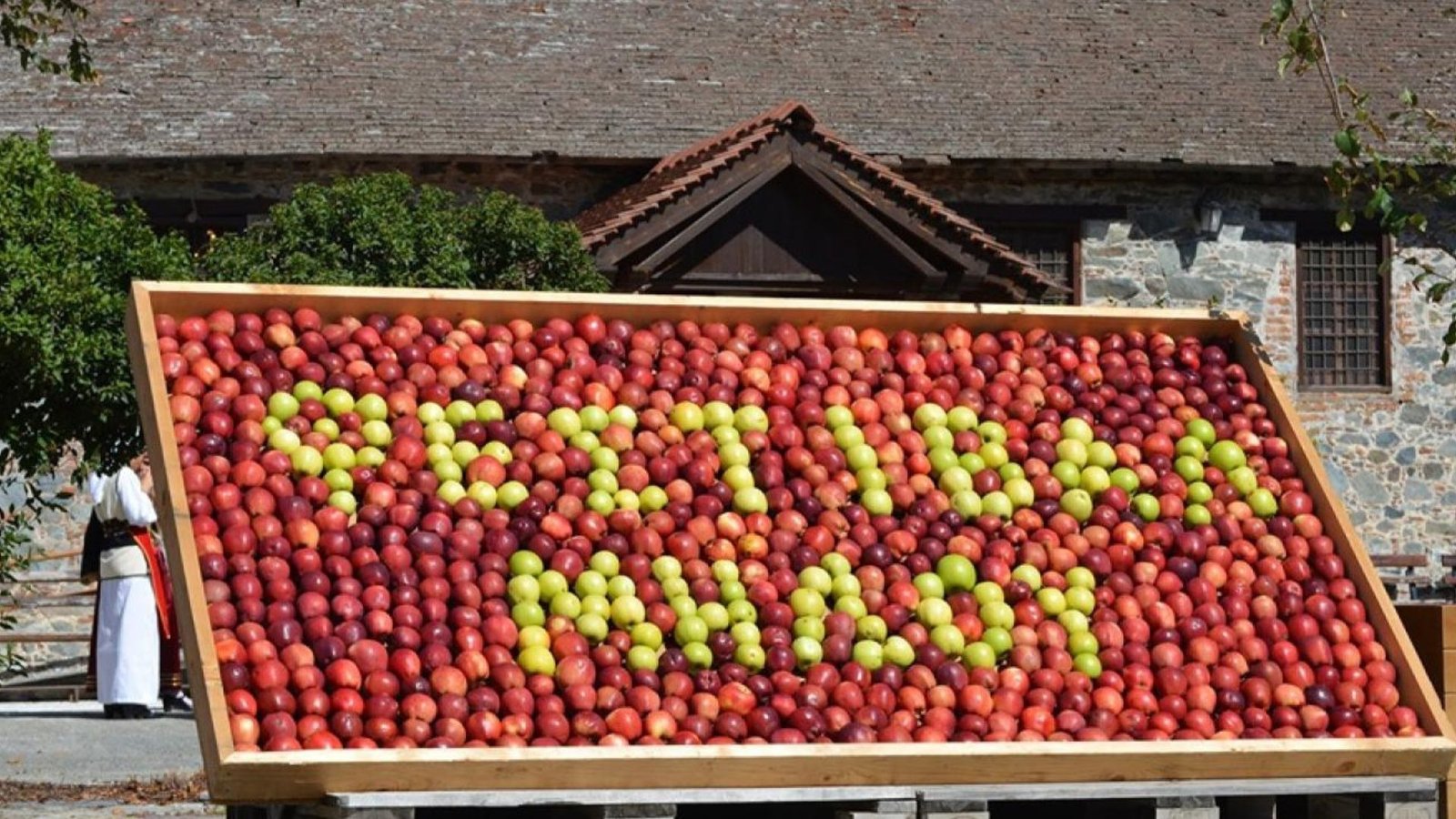
    Another must-visit is the Apple Festival in Kyperounta, a charming mountain village. Held every October, the festival celebrates the apple harvest, with stalls offering fresh apples, apple-based products, and delicious local treats. You can also enjoy music, folk dancing, and demonstrations of traditional apple processing techniques. It’s an ideal event for anyone looking to explore the agricultural heart of Cyprus.

    3. The Zivania Festival in Alona and Pelendri

    There are plenty of opportunities to taste the different varieties of Zivania, as well as local foods like halloumi and loukoumades (honey puffs). This event showcases the rich agricultural heritage of the Troodos Mountains.

    4. The Olive Festival in Anogyra

    Olive trees have long been part of Cyprus’ agricultural landscape, and the Olive Festival in Anogyra is a testament to this. Held every September, the festival celebrates the olive harvest. You can learn about olive oil production, watch traditional olive pressing, and sample various olive-based products. It’s a fantastic way to get involved in one of the island’s oldest agricultural traditions.

    5. The Pastelli Festival in Anogyra

    In addition to olives, Anogyra also hosts the Pastelli Festival, celebrating the traditional sweet made from carob syrup. This festival highlights the process of making pastelli and other carob-based products. You’ll enjoy live music, traditional dance, and have the chance to taste Cypriot delicacies.

    Why Attend Agrotourism Festivals in Cyprus?

    Attending Agrotourism Festivals in Cyprus offers more than just a fun day out. These festivals give you the chance to connect with local people, learn about rural traditions, and taste homemade foods that you wouldn’t find anywhere else. Whether you’re sampling fresh apple pies in Kyperounta or enjoying rose-flavored products in Agros, the experience is uniquely Cypriot.

    Another great reason to attend is that these festivals support sustainable tourism. By taking part, you’re helping to preserve the island’s rural economy and protect its traditional way of life. Plus, they’re family-friendly, making them a great option if you’re traveling with kids.

    Conclusion

    Agrotourism Festivals in Cyprus offer a window into the island’s rich agricultural history and traditions. From the sweet scent of roses in Agros to the lively Zivania celebrations in the Troodos Mountains, these festivals are a fantastic way to experience the true heart of Cyprus. Whether you’re a visitor or a local, attending these festivals gives you a chance to celebrate Cyprus’ culture and natural beauty. So, if you’re planning a trip, make sure to check the festival calendar and take part in these unique events.

  • Sustainable Practices in Agrotourism in Cyprus

    Sustainable Practices in Agrotourism in Cyprus

    Agrotourism in Cyprus is not just about enjoying beautiful landscapes and local food; it also focuses on sustainability. Many farms and businesses in Cyprus use sustainable practices to protect the environment and support local communities. Here are some of the key sustainable practices in agrotourism in Cyprus.

    Sustainable Practices in Agrotourism in Cyprus

    1. Organic Farming

    Many agrotourism farms in Cyprus use organic farming methods. This means they grow crops without harmful chemicals or pesticides. Organic farming is better for the environment and produces healthier food. Visitors can learn about these methods and taste fresh organic produce during their stay.

    2. Water Conservation

    Water is precious in Cyprus, especially during the hot summer months. Many farms use sustainable irrigation systems to save water. For example, drip irrigation delivers water directly to the roots of plants. This practice reduces water waste and helps crops grow better.

    3. Renewable Energy

    Some agrotourism sites use renewable energy sources like solar panels. These panels provide clean energy to power the farms and reduce their carbon footprint. By using renewable energy, farms can operate in an eco-friendly way while educating visitors about sustainable energy.

    4. Local Products

    Agrotourism in Cyprus emphasizes using local products. This means that farms source their ingredients from nearby producers. By buying local, farms support the local economy and reduce transportation emissions. Visitors can enjoy fresh, seasonal food that reflects the flavors of Cyprus.

    5. Biodiversity Preservation

    Many agrotourism sites work to preserve local biodiversity. They plant native trees and plants to create habitats for local wildlife. By protecting these species, they help maintain the natural balance of the ecosystem. Visitors can explore these areas and learn about the importance of biodiversity.

    6. Community Involvement

    Sustainable agrotourism in Cyprus involves local communities. Farms often collaborate with local artisans and businesses. This creates jobs and supports the local economy. Visitors can participate in workshops and activities led by community members, enhancing their experience.

    7. Educational Programs

    Many farms offer educational programs about sustainable practices. These programs teach visitors about organic farming, environmental conservation, and local culture. By providing this knowledge, farms inspire visitors to adopt sustainable habits in their own lives.

    8. Waste Management

    Sustainable agrotourism sites focus on waste management. They recycle and compost organic waste to reduce landfill contributions. Some farms even turn waste into resources, like using compost for their gardens. This practice helps keep the environment clean.

    9. Eco-Friendly Accommodations

    Many agrotourism sites offer eco-friendly accommodations. These places use sustainable materials, energy-efficient appliances, and water-saving fixtures. Staying in these accommodations allows visitors to enjoy comfort while supporting eco-friendly practices.

    10. Responsible Tourism

    Agrotourism in Cyprus encourages responsible tourism. Visitors are educated on respecting local cultures, traditions, and natural habitats. This helps protect the environment and ensures that tourism benefits local communities.

    Conclusion

    Sustainable practices in agrotourism in Cyprus play a vital role in protecting the environment and supporting local communities. By focusing on organic farming, water conservation, and community involvement, agrotourism offers visitors a unique experience that is both enjoyable and responsible. When you choose to visit agrotourism sites in Cyprus, you contribute to a sustainable future while enjoying the beauty and culture of the island.