Category: Agrotourism in Cyprus

  • What Is Agrotourism in Cyprus?

    What Is Agrotourism in Cyprus?

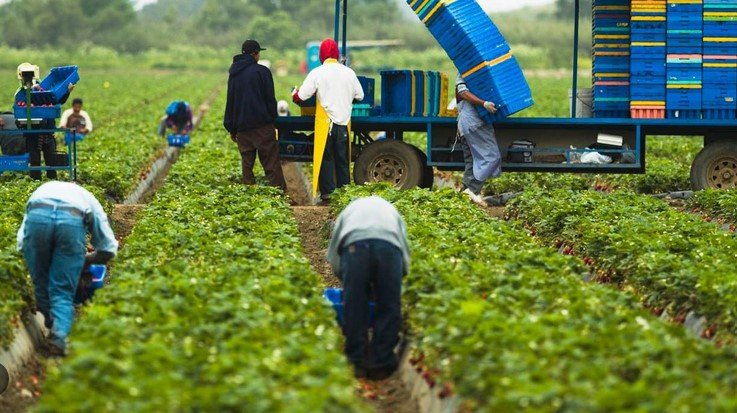
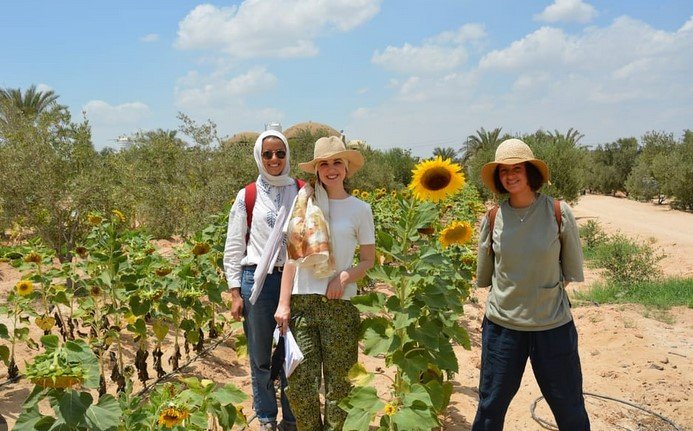
    Agrotourism in Cyprus is a special type of tourism that focuses on farm experiences. Visitors can enjoy the beautiful countryside, learn about farming, and even participate in farm activities. This type of tourism is growing in popularity because people want to connect with nature and enjoy local cultures. In this article, we will explore what agrotourism in Cyprus is, why it is important, and what you can do while visiting.

    What Is Agrotourism in Cyprus?

    The Beauty of Agrotourism in Cyprus

    Cyprus is known for its stunning landscapes. The island has mountains, forests, and beautiful beaches. However, the rural areas of Cyprus also offer unique experiences through agrotourism. When you visit a farm, you get to see how the locals live. You can enjoy fresh fruits and vegetables, learn about traditional farming methods, and appreciate the hard work that goes into producing food.

    Benefits of Agrotourism in Cyprus

    Agrotourism in Cyprus provides many benefits. First, it supports local farmers. By visiting their farms, you help them earn a living. This is very important for the local economy. Moreover, when tourists buy products directly from farms, they ensure that the money stays within the community.

    Second, agrotourism allows visitors to learn about the culture of Cyprus. You can participate in local traditions, such as harvesting olives or making cheese. These activities offer a hands-on experience that teaches you more about the island’s history and customs.

    Third, agrotourism promotes sustainability. Many farms in Cyprus focus on organic farming and protecting the environment. When you choose agrotourism, you support these efforts. You contribute to preserving the beautiful landscapes of Cyprus for future generations.

    Activities to Enjoy in Agrotourism

    There are many fun activities to enjoy when experiencing agrotourism in Cyprus. Here are some popular options:

    1. Farm Tours: Take a guided tour of a local farm. You can see how crops are grown and how animals are cared for. This is a great way to learn about agriculture.
    2. Cooking Classes: Many farms offer cooking classes where you can learn to make traditional Cypriot dishes. You will use fresh ingredients from the farm, making the experience even more special.
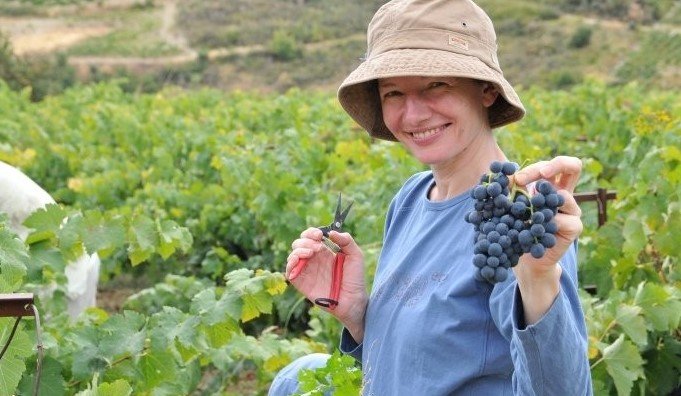
    3. Wine Tasting: Cyprus has a long history of winemaking. Visiting a vineyard allows you to taste local wines and learn about the winemaking process.
    4. Fruit Picking: Some farms allow visitors to pick their own fruits and vegetables. This fun activity is perfect for families and provides fresh produce for your meals.
    5. Nature Walks: Explore the beautiful countryside on foot. Many farms are located near hiking trails where you can enjoy nature and see local wildlife.

    How to Find Agrotourism Experiences

    Finding agrotourism experiences in Cyprus is easy. Start by searching online for farms that welcome visitors. Many farms have websites where you can find information about tours and activities. You can also ask for recommendations from local tourism offices.

    Additionally, consider using social media. Many farms share their experiences on platforms like Instagram and Facebook. This can help you get a better idea of what to expect.

    Tips for Enjoying Agrotourism in Cyprus

    To have the best experience with agrotourism in Cyprus, here are some tips:

    • Plan Ahead: Some farms require reservations, especially during busy seasons. Make sure to book your visit in advance.
    • Dress Comfortably: Wear comfortable clothes and shoes, as you may be walking or working on the farm.
    • Be Open-Minded: Agrotourism is about experiencing a different way of life. Be open to trying new activities and meeting new people.
    • Support Local Businesses: Buy products directly from the farm to support the local economy. This also gives you a taste of authentic Cypriot food.

    Conclusion

    Agrotourism in Cyprus is a wonderful way to explore the island’s rural charm. It allows you to connect with nature, support local farmers, and learn about Cypriot culture. Whether you are picking fruits, enjoying a cooking class, or tasting local wines, agrotourism offers something for everyone. So, the next time you visit Cyprus, consider taking part in agrotourism. It will be a memorable experience that enriches your understanding of this beautiful island.
  • How Agrotourism Promotes Conservation in Cyprus

    How Agrotourism Promotes Conservation in Cyprus

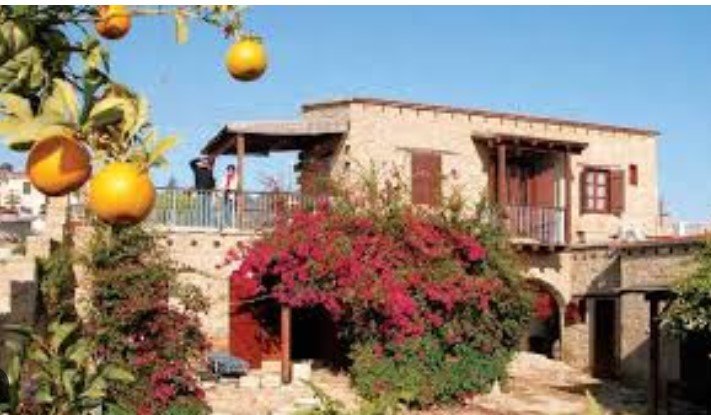
    Agricultural travelling in Cyprus plays a vital role in promoting conservation efforts across the island. By blending tourism with agriculture, it encourages sustainable practices that benefit both the environment and local communities. This blog post explores how agrotourism fosters conservation in Cyprus, showcasing its positive impact on natural resources, biodiversity, and rural heritage.

    1. Supporting Sustainable Farming Practices

    Agrotourism encourages farmers to adopt sustainable farming practices that protect the environment. Many agrotourism farms in Cyprus focus on:

    • Organic Farming: These farms often implement organic methods, reducing the use of harmful pesticides and fertilizers. By cultivating organic produce, they promote healthier ecosystems and improve soil quality.
    • Crop Rotation: Farmers practice crop rotation to maintain soil fertility and reduce pest infestations. This method enhances biodiversity and minimizes the need for chemical interventions.
    • Water Conservation: Many agrotourism sites use innovative irrigation techniques, such as drip irrigation, to conserve water. These practices ensure that local water resources remain sustainable and reduce the impact on nearby ecosystems.

    2. Preserving Biodiversity

    Agricultural travelling significantly contributes to the preservation of biodiversity in Cyprus. By promoting a diverse range of crops and livestock, it helps maintain the natural balance in ecosystems. Key ways it supports biodiversity include:

    • Promoting Indigenous Varieties: Many agrotourism farms grow indigenous plant varieties and raise traditional livestock breeds. This practice not only preserves genetic diversity but also enhances the resilience of local agriculture.
    • Habitat Protection: Agrotourism farms often incorporate natural habitats into their landscapes. By maintaining hedgerows, wetlands, and forests, they provide essential habitats for various species, helping to protect local flora and fauna.
    • Educational Initiatives: Many agrotourism operators engage visitors in educational programs that highlight the importance of biodiversity. By raising awareness, they inspire guests to appreciate and support conservation efforts.

    3. Encouraging Eco-Friendly Tourism

    Agricultural travelling promotes eco-friendly tourism practices that minimize the environmental impact of visitors. These practices include:

    • Sustainable Transportation: Many agrotourism sites encourage visitors to explore the countryside on foot, by bike, or through organized tours, reducing reliance on vehicles and lowering carbon emissions.
    • Waste Reduction: Agrotourism farms often implement waste reduction strategies, such as composting organic waste and recycling materials. By demonstrating responsible waste management, they set a positive example for visitors.
    • Local Sourcing: Agrotourism promotes the consumption of locally sourced products, reducing the carbon footprint associated with transporting goods. Visitors can enjoy fresh produce, cheeses, and wines while supporting local economies.

    4. Empowering Local Communities

    Agrotourism empowers local communities by providing economic opportunities while promoting conservation. This empowerment manifests in several ways:

    • Job Creation: Agrotourism generates employment opportunities for local residents, allowing them to engage in sustainable practices and earn a livelihood from their land.
    • Community Engagement: Many agrotourism operators involve local communities in decision-making processes, fostering collaboration and a sense of ownership over conservation efforts.
    • Cultural Heritage Preservation: Agrotourism helps preserve traditional agricultural practices and cultural heritage. By sharing these practices with visitors, local communities can showcase their identity while promoting conservation.

    Conclusion

    Agrotourism in Cyprus not only enhances the visitor experience but also plays a crucial role in promoting conservation. Through sustainable farming practices, biodiversity preservation, eco-friendly tourism, and community empowerment, agrotourism fosters a harmonious relationship between agriculture and the environment. As visitors explore the beauty of Cyprus, they contribute to a movement that values conservation and sustainability, ensuring that the island’s natural and cultural heritage thrives for future generations.

  • Cyprus Wine Routes: Agrotourism Experiences

    Cyprus Wine Routes: Agrotourism Experiences

    Agricultural tourism in Cyprus offers a unique opportunity to explore the island’s rich winemaking heritage through its scenic wine routes. These routes provide not just a glimpse into the wine production process but also immerse visitors in the local culture and breathtaking landscapes. This blog post will guide you through the delightful agrotourism experiences available along the Cyprus wine routes.

    Agricultural Tourism

    1. Discovering the Wine Regions

    Cyprus boasts several renowned wine regions, each offering a distinct flavor profile and a unique experience. Some prominent wine routes include:

    • Troodos Wine Route: This route weaves through the picturesque Troodos Mountains, showcasing vineyards and wineries that produce some of the best wines on the island. The cool climate and rich soil contribute to the exceptional quality of the grapes.
    • Limassol Wine Route: Explore the vineyards around Limassol, known for producing both local and international wine varieties. This area hosts numerous wineries that welcome visitors for tastings and tours.
    • Larnaca Wine Route: This route features vineyards that benefit from the coastal climate. Here, you can discover how local winemakers adapt traditional methods to modern techniques.

    2. Wine Tasting Experiences

    Wine tasting is a highlight of the agrotourism experience along Cyprus wine routes. Visitors can indulge in:

    • Guided Tastings: Many wineries offer guided tastings led by knowledgeable staff. They explain the different wines, their production methods, and the unique characteristics of each varietal.
    • Food Pairings: Enhance your tasting experience with expertly paired local delicacies. Many wineries serve traditional Cypriot dishes alongside their wines, allowing you to savor the flavors of the region.
    • Special Events: Join seasonal events such as grape stomping or harvest festivals, where you can participate in the winemaking process and enjoy live music, dancing, and local cuisine.

    3. Exploring Vineyards and Wineries

    A visit to the vineyards is essential to understanding the wine culture in Cyprus. Agricultural tourism experiences include:

    • Vineyard Tours: Many wineries provide tours of their vineyards, allowing you to learn about the grape varieties grown and the cultivation process. Walk through the rows of grapes and see firsthand how they thrive in the Cypriot climate.
    • Winemaking Process: Discover the traditional winemaking techniques used by local producers. Some wineries offer behind-the-scenes tours, showcasing the fermentation and aging processes.
    • Sustainable Practices: Learn about the sustainable practices adopted by many wineries in Cyprus. These practices not only enhance the quality of the wine but also protect the environment.

    4. Cultural Immersion

    Agrotourism experiences along the wine routes of Cyprus go beyond just wine. Visitors can also:

    • Explore Local Villages: Many wine routes pass through charming villages where you can experience authentic Cypriot hospitality. Enjoy traditional tavernas, local shops, and vibrant markets.
    • Participate in Workshops: Engage in workshops that focus on traditional crafts, such as pottery or weaving. These experiences allow you to connect with local artisans and learn about their crafts.
    • Attend Festivals: Time your visit to coincide with local wine festivals, where you can celebrate with the community. These festivals often feature live music, dancing, and plenty of wine to sample.

    Conclusion

    The Cyprus wine routes offer a fantastic opportunity to experience the island’s rich wine culture while enjoying the beauty of its landscapes and the warmth of its people. From guided tastings and vineyard tours to cultural immersions and local festivals, there’s something for everyone to enjoy. Plan your trip to Cyprus, and embark on a delightful journey through its scenic wine routes, tasting the finest wines and experiencing the vibrant local culture along the way!

  • Seasonal Agrotourism Experiences in Cyprus

    Seasonal Agrotourism Experiences in Cyprus

    Rural tourism in Cyprus offers a delightful opportunity for travelers to immerse themselves in the island’s rich agricultural heritage while enjoying the beauty of its changing seasons. Each season brings unique experiences, from harvest festivals to culinary workshops, allowing visitors to connect with local culture and nature. In this post, we’ll explore the seasonal agrotourism experiences you can enjoy in Cyprus throughout the year.

    1. Spring: Blooming Beauty and Fresh Flavors

    Spring transforms Cyprus into a vibrant landscape filled with blooming wildflowers and fragrant orchards. This is the perfect time to participate in fruit-picking experiences. Visitors can enjoy activities such as:

    • Citrus Picking: Many farms invite guests to pick fresh oranges and lemons. This hands-on experience allows you to taste the juiciest fruits right off the tree.
    • Wildflower Walks: Join guided tours through the countryside to admire the stunning array of wildflowers. These tours often include discussions on local flora and fauna.
    • Cooking Workshops: Local chefs often host cooking classes focusing on fresh, seasonal ingredients. Learn to prepare traditional dishes using the bounty of spring.

    2. Summer: Sun-Kissed Adventures

    Summer in Cyprus brings sunny skies and warm temperatures, making it an ideal time for outdoor activities. Agrotourism experiences during this season include:

    • Wine Tasting Tours: Explore the renowned wine regions of Cyprus, such as the Troodos Mountains. Participate in tastings at local wineries, where you can learn about the winemaking process and sample unique varietals.
    • Olive Oil Production: Visit olive groves to witness the olive harvesting process. Some farms offer tours where you can learn about traditional methods of olive oil extraction and enjoy tastings of premium oils.
    • Farm-to-Table Dining: Enjoy al fresco dining experiences featuring dishes made with fresh, seasonal ingredients. Many farms host special summer dinners, showcasing local produce and wines.

    3. Autumn: Harvest Time and Culinary Delights

    Autumn is a time of abundance in Cyprus, with numerous crops ready for harvest. This season offers exciting agrotourism experiences:

    • Grape Harvesting: Participate in the grape harvest, an essential part of Cyprus’s winemaking tradition. Many vineyards welcome visitors to help with the harvest and enjoy celebratory feasts afterward.
    • Festivals: Join local harvest festivals that celebrate the season’s bounty. These events often feature live music, traditional dances, and stalls selling local produce.
    • Cooking Classes: Autumn is perfect for cooking workshops that focus on preserving seasonal ingredients. Learn to make jams, chutneys, and traditional Cypriot dishes using harvested produce.

    4. Winter: Cozy Retreats and Cultural Experiences

    Winter in Cyprus brings a unique charm, with cooler temperatures perfect for cozy indoor activities. Agrotourism experiences during this season include:

    • Food and Wine Pairing Events: Many farms and wineries host special winter events focused on food and wine pairings. Taste local dishes paired with exquisite Cypriot wines in a warm, inviting atmosphere.
    • Traditional Festivities: Experience local customs and traditions during the winter holidays. Visit farms that celebrate with seasonal decorations, traditional music, and festive meals.
    • Workshops: Engage in workshops that teach traditional crafts, such as weaving or pottery. These experiences connect you with local artisans and their skills.

    Conclusion

    Seasonal farm tourism experiences in Cyprus offer a delightful way to connect with the island’s rich agricultural heritage and vibrant culture. From spring’s blooming orchards to autumn’s bustling harvest festivals, every season presents unique opportunities to explore, taste, and learn. Whether you’re picking fruit, savouring local wines, or participating in traditional cooking classes, agrotourism allows you to create lasting memories while supporting rural communities. Plan your visit to Cyprus and immerse yourself in its seasonal delights!

  • Agrotourism: Reviving Rural Cyprus

    Agrotourism: Reviving Rural Cyprus

    Farm tourism plays a vital role in reviving rural Cyprus, merging agriculture with tourism to foster economic growth, cultural preservation, and environmental sustainability. As travellers seek authentic experiences, agrotourism offers a unique opportunity to explore the rich agricultural heritage and breathtaking landscapes of this Mediterranean island. In this post, we’ll explore how agrotourism revitalizes rural communities in Cyprus and promotes a sustainable future.

    1. Strengthening Local Economies

    Agrotourism provides a significant boost to local economies in rural Cyprus. By attracting visitors to farms and rural areas, it creates new income streams for farmers and local businesses. Farmers can offer accommodations, farm tours, and workshops, generating revenue while showcasing their agricultural practices. This influx of tourism helps to diversify local economies, reducing dependency on traditional farming methods and promoting financial stability in these communities.

    2. Preserving Cultural Heritage

    Cyprus boasts a rich cultural heritage that is deeply intertwined with its agricultural practices. Through agrotourism, visitors gain insight into traditional farming techniques, culinary customs, and local crafts. Engaging in activities such as olive oil pressing, wine tasting, and traditional cooking classes allows travellers to appreciate the island’s cultural roots. By preserving these traditions, agrotourism fosters a sense of pride among local communities and ensures that their cultural identity remains vibrant for future generations.

    3. Promoting Sustainable Practices

    Farm tourism encourages sustainable farming practices that protect the environment and promote biodiversity. Many agrotourism farms in Cyprus focus on organic farming, utilizing eco-friendly methods that minimize the use of chemicals and promote soil health. By educating visitors about sustainable practices, these farms raise awareness about the importance of environmental stewardship. Travelers can learn how to make responsible choices, supporting local farmers who prioritize sustainability in their operations.

    4. Enhancing Food Security

    Agrotourism contributes to food security in rural Cyprus by promoting local food production. When visitors choose to eat locally, they support farmers and encourage the growth of fresh, seasonal produce. Many agrotourism experiences include farm-to-table dining, where travellers enjoy meals prepared with ingredients harvested from the surrounding fields. This emphasis on local food not only enhances the culinary experience but also strengthens the connection between consumers and the food they eat.

    5. Fostering Community Engagement

    Agrotourism fosters community engagement by bringing together locals and visitors. Farmers often host events, workshops, and festivals that encourage community participation and celebrate local produce. These gatherings create opportunities for cultural exchange, allowing visitors to experience the warmth and hospitality of Cypriot communities. By building relationships between locals and tourists, agrotourism promotes mutual understanding and respect.

    6. Encouraging Rural Development

    As agrotourism gains popularity, it encourages the development of rural infrastructure. Improved roads, better accommodation options, and enhanced amenities benefit both visitors and residents. Local governments often invest in initiatives that support agrotourism, leading to broader economic development in rural areas. This investment helps to revitalize communities and attract new residents who appreciate the lifestyle and opportunities offered by rural living.

    7. Creating Lasting Memories

    Travelers participating in agrotourism create lasting memories that deepen their appreciation for rural Cyprus. Engaging in hands-on experiences, such as harvesting grapes or learning traditional cooking methods, leaves a lasting impact. These authentic experiences not only enrich the travel journey but also inspire visitors to support sustainable practices and promote local cultures back home.

    Conclusion

    Agrotourism serves as a catalyst for reviving rural Cyprus, offering a pathway to economic growth, cultural preservation, and environmental sustainability. By connecting travelers with local farmers and their practices, agrotourism promotes a deeper understanding of the island’s heritage while supporting its rural communities. Embrace the unique experiences agrotourism offers and contribute to the revival of Cyprus’s rich agricultural landscape.

  • Exploring Local Foods Through Agrotourism

    Exploring Local Foods Through Agrotourism

    Agrotourism offers an exciting opportunity to explore local foods while connecting with the land and its producers. This form of tourism allows travellers to engage in authentic culinary experiences while supporting local farmers and sustainable practices. In this post, we will delve into how agrotourism promotes local foods and enriches the travel experience.

    1. Connecting with Farmers

    Agrotourism provides travellers with the chance to meet and interact with local farmers. This direct connection fosters a deeper understanding of the food production process. Visitors often participate in farm tours where they can ask questions about cultivation practices, the importance of seasonal produce, and the stories behind local food traditions. By engaging with farmers, travellers gain insights into the passion and dedication that goes into growing the food they enjoy.

    2. Harvesting Fresh Ingredients

    One of the most delightful aspects of agrotourism is the opportunity to participate in harvesting fresh ingredients. Many farms offer hands-on experiences where visitors can pick fruits and vegetables straight from the field. This interactive activity not only enhances the appreciation for local foods but also allows travellers to savor the freshness of their harvest. Whether it’s picking ripe strawberries, gathering herbs, or harvesting olives, these experiences create lasting memories.

    3. Culinary Workshops

    Agrotourism often includes culinary workshops where travellers can learn how to prepare traditional dishes using locally sourced ingredients. These workshops may cover various cooking techniques, from farm-to-table recipes to traditional baking methods. Participants enjoy a fun and educational experience, gaining valuable skills while exploring the rich culinary heritage of the region.

    4. Tasting Local Delicacies

    Many agrotourism destinations feature tasting experiences that highlight local delicacies. Visitors can sample a variety of dishes made from fresh, seasonal ingredients. Whether it’s a homemade cheese platter, artisanal bread, or a farm-fresh salad, these tastings offer a unique way to explore the flavours of the region. Local wines, olive oils, and other beverages often accompany these tastings, enhancing the culinary experience.

    5. Supporting Sustainable Practices

    Agrotourism emphasizes sustainability and responsible practices, allowing visitors to support local farmers who prioritize environmental stewardship. By choosing to eat locally and seasonally, travellers contribute to reducing the carbon footprint associated with food transportation. Many agrotourism farms practice organic farming and permaculture, ensuring that their operations are environmentally friendly. Visitors can learn about these practices and their importance to the ecosystem.

    6. Exploring Cultural Heritage

    Food is an essential part of cultural heritage, and agrotourism provides a platform to explore this connection. Many local dishes reflect the history and traditions of the region. Through agrotourism, travellers can learn about the origins of specific ingredients and recipes, gaining insights into how food has shaped local culture. This exploration enriches the travel experience and deepens the connection to the region.

    7. Creating Lasting Memories

    Ultimately, exploring local foods through agrotourism creates lasting memories for travellers. The experiences of meeting farmers, harvesting produce, cooking traditional dishes, and tasting unique flavours become cherished moments. These memories not only enhance the travel experience but also foster a deeper appreciation for the local culture and community.

    Conclusion

    Agricultural tourism offers a fantastic way to explore local foods while supporting sustainable practices and connecting with farmers. Through hands-on experiences, culinary workshops, and tasting sessions, travellers can immerse themselves in the rich culinary heritage of the region. By participating in agrotourism, you not only enjoy delicious food but also contribute to a more sustainable future for local communities. Embrace the journey of exploring local foods through agrotourism and discover the flavours that make each destination unique.

  • The Rise of Eco-Friendly Agrotourism in Cyprus

    The Rise of Eco-Friendly Agrotourism in Cyprus

    Eco-friendly agrotourism is gaining momentum in Cyprus, driven by a growing awareness of environmental sustainability and a desire for authentic travel experiences. This trend combines agricultural practices with tourism, allowing visitors to engage with the land while supporting local communities. In this post, we will explore the rise of eco-friendly agrotourism in Cyprus and its positive impact on the environment and local culture.

    1. Embracing Sustainable Practices

    Eco-friendly agrotourism in Cyprus emphasizes sustainable agricultural practices that benefit both the environment and local farmers. Many farms have shifted to organic farming, eliminating harmful chemicals and promoting biodiversity. By adopting techniques like crop rotation and permaculture, these farms improve soil health and reduce their ecological footprint. Visitors often participate in workshops that teach these sustainable practices, gaining hands-on experience while contributing to environmental conservation.

    2. Promoting Local Produce

    One of the hallmarks of eco-friendly agrotourism is the emphasis on local produce. Many farms in Cyprus invite guests to taste their fresh fruits, vegetables, and artisanal products, such as olive oil and wine. By purchasing directly from these farms, visitors support local economies and promote the cultivation of indigenous crops. This not only enhances the quality of food but also preserves traditional farming methods that have been passed down through generations.

    3. Engaging with Nature

    Eco-friendly agrotourism encourages visitors to connect with nature in meaningful ways. Many farms offer activities like guided nature walks, birdwatching, and organic gardening workshops. These experiences foster a deeper appreciation for the natural beauty of Cyprus and its diverse ecosystems. Tourists gain insights into the importance of preserving the environment while enjoying the serenity of the countryside.

    4. Community Involvement

    Successful eco-friendly agrotourism initiatives in Cyprus prioritize community involvement. Many farms collaborate with local residents, offering training programs and employment opportunities. This approach ensures that the benefits of tourism reach the community directly, fostering economic growth and social cohesion. Visitors often engage with locals, participating in cultural exchanges that enrich their travel experience and strengthen community bonds.

    5. Educational Experiences

    Eco-friendly agrotourism provides valuable educational experiences for travelers. Many farms host workshops on sustainable practices, cooking classes using local ingredients, and traditional crafts demonstrations. These activities empower visitors to embrace eco-friendly lifestyles and understand the importance of sustainable practices in agriculture. By sharing knowledge, these farms cultivate a sense of responsibility and awareness among tourists.

    6. Sustainable Accommodations

    The rise of sustainable agrotourism in Cyprus also includes the development of sustainable accommodations. Many farms offer eco-lodges that utilize renewable energy sources, such as solar power, and implement water-saving technologies. Staying in these accommodations allows visitors to minimize their environmental impact while enjoying a unique and immersive experience in nature.

    7. Challenges and Opportunities

    While the rise of eco-friendly agrotourism presents numerous opportunities, it also faces challenges. Ensuring that tourism remains sustainable and does not compromise the integrity of local ecosystems is crucial. However, by promoting responsible tourism practices and fostering community engagement, Cyprus can continue to thrive as an eco-tourism destination.

    Conclusion

    The rise of eco-friendly agrotourism in Cyprus reflects a commitment to sustainability, local culture, and environmental conservation. By embracing sustainable practices, promoting local produce, and engaging with nature, farms in Cyprus create authentic experiences for visitors while supporting the local economy. Travellers can enjoy the beauty of Cyprus and contribute to a more sustainable future by choosing eco-friendly agrotourism. Plan your visit to explore the best of Cyprus’s eco-friendly agrotourism and discover the beauty of this Mediterranean gem.

  • Sustainable Agrotourism Practices in Cyprus

    Sustainable Agrotourism Practices in Cyprus

    Sustainable agrotourism plays a crucial role in preserving Cyprus’s rich cultural and natural heritage while supporting local communities. By promoting responsible tourism practices, agrotourism fosters environmental stewardship and economic viability. In this post, we’ll explore some of the sustainable agrotourism practices implemented in Cyprus that benefit both travellers and the environment.

    1. Organic Farming Techniques

    Many agrotourism farms in Cyprus prioritize organic farming methods, avoiding synthetic pesticides and fertilizers. By using natural inputs and crop rotation, these farms promote soil health and biodiversity. Visitors can engage in workshops that teach organic farming techniques, providing them with practical knowledge they can apply in their own gardens. This approach not only protects the environment but also enhances the quality of the produce, offering tourists fresher and healthier options.

    2. Water Conservation Efforts

    Water scarcity is a significant challenge in Cyprus, making water conservation a vital practice in sustainable agrotourism. Many farms employ efficient irrigation systems, such as drip irrigation, to minimize water usage while ensuring crops receive adequate hydration. Some farms also harvest rainwater and recycle water for irrigation, reducing their overall consumption. Visitors can learn about these practices and their importance for sustainable agriculture in a Mediterranean climate.

    3. Promotion of Indigenous Crop Varieties

    Sustainable agrotourism in Cyprus often emphasizes the cultivation of indigenous crop varieties. By promoting local plants, farmers preserve biodiversity and adapt to local environmental conditions. Visitors can participate in planting and harvesting activities, gaining insights into the cultural significance of these crops. This practice not only supports local ecosystems but also contributes to the preservation of traditional agricultural knowledge.

    4. Community Involvement and Education

    Agrotourism farms in Cyprus often prioritize community engagement, involving local residents in tourism activities. This collaborative approach ensures that the benefits of tourism reach the community directly. Farms frequently host educational workshops, cooking classes, and guided tours, allowing visitors to learn about local traditions and practices. Such interactions foster cultural exchange and promote appreciation for Cypriot heritage among tourists.

    5. Support for Local Economies

    Sustainable agrotourism practices prioritize purchasing local products and services, ensuring that a greater portion of tourism revenue stays within the community. Many farms sell their products directly to visitors, including fresh produce, olive oil, and traditional handicrafts. By encouraging tourists to buy locally, these farms stimulate the economy and help preserve traditional crafts and practices.

    6. Waste Reduction Initiatives

    Waste management is another critical aspect of sustainable agrotourism. Many farms implement waste reduction strategies, such as composting organic waste and recycling materials. By educating visitors about these practices, farms promote responsible tourism behaviours. Some farms also offer workshops on sustainable cooking, encouraging guests to minimize food waste and use leftovers creatively.

    7. Eco-Friendly Accommodation

    Further enhance sustainable practices, many agrotourism farms in Cyprus provide eco-friendly accommodations. These lodgings often utilize renewable energy sources, such as solar panels, and incorporate energy-efficient appliances. By staying in these eco-friendly accommodations, visitors contribute to a smaller carbon footprint while enjoying a unique and immersive experience in nature.

    Conclusion

    Sustainable agrotourism practices in Cyprus reflect a commitment to preserving the island’s natural and cultural heritage. By embracing organic farming, water conservation, and community involvement, these farms provide visitors with authentic experiences while promoting environmental stewardship. Travelers can enjoy the beauty of Cyprus while supporting local economies and learning about sustainable practices. Plan your visit to experience the best of sustainable agrotourism in Cyprus, where every trip helps protect the island’s future.

  • Agrotourism Farms You Must Visit in Cyprus

    Agrotourism Farms You Must Visit in Cyprus

    Agrotourism thrives in Cyprus, offering a delightful blend of culture, nature, and culinary experiences. By visiting these farms, travellers can immerse themselves in the island’s rich agricultural heritage and enjoy hands-on activities that celebrate local traditions. In this post, we’ll highlight some must-visit agrotourism farms in Cyprus that showcase the best of the island’s rural life.

    1. Vouni Panayia Winery

    Located in the picturesque village of Panayia, Vouni Panayia Winery stands out for its exquisite wines and breathtaking views. The winery specializes in indigenous Cypriot grape varieties and offers guided tours of its vineyards and wine production facilities. Visitors can enjoy tastings of their unique wines, paired with local cheeses and snacks. The experience provides insight into the art of winemaking and the importance of wine in Cypriot culture.

    2. Tsiakkas Winery

    Nestled in the mountainous region of the Troodos, Tsiakkas Winery offers an authentic experience for wine lovers. Known for its commitment to quality, this family-run winery provides guided tours that showcase the wine-making process from vine to bottle. Guests can taste a selection of wines while enjoying panoramic views of the surrounding countryside. The winery also emphasizes sustainable farming practices, making it an excellent choice for eco-conscious travellers.

    3. Kefalas Farm

    Kefalas Farm, located in the village of Larnaca, is a charming destination where visitors can experience traditional Cypriot farming. The farm offers hands-on activities such as olive picking, bread-making, and cheese production. Guests can learn about organic farming practices and the significance of olives in Cypriot culture. The farm’s welcoming atmosphere and engaging activities make it perfect for families looking to connect with nature.

    4. Kyperounda Olive Mill

    Famed for its high-quality olive oil, Kyperounda Olive Mill invites visitors to discover the art of olive oil production. Located in the heart of the Troodos Mountains, this family-owned mill combines tradition and modern techniques. Guests can take guided tours to learn about the olive oil extraction process, followed by tastings of various olive oils and local products. This experience offers a unique glimpse into the importance of olives in Cypriot cuisine.

    5. Agros Village

    In the charming Agros Village, visitors can explore multiple agrotourism options, including local farms specializing in rose products, fruits, and traditional Cypriot sweets. The village is known for its picturesque landscapes and hospitality, making it an ideal destination for agrotourism. Tourists can participate in workshops to create rosewater, a key ingredient in Cypriot desserts, and enjoy guided tours of the lush orchards.

    6. Lania Village

    Lania Village is a hidden gem in the Limassol district, offering a perfect blend of agrotourism and traditional Cypriot village life. Visitors can explore local farms that produce honey, fruits, and vegetables. Engage in hands-on activities such as beekeeping, fruit picking, or learning how to make traditional Cypriot dishes. The village’s quaint streets and vibrant flora add to the charm of this agrotourism destination.

    7. Fikardou Village

    Step back in time in Fikardou Village, a UNESCO World Heritage site known for its well-preserved traditional architecture. While exploring the village, visitors can discover nearby farms offering organic produce and local delicacies. Participate in traditional cooking classes or enjoy guided tours to learn about the village’s history and agricultural practices. This immersive experience provides a unique perspective on Cypriot culture and its agricultural roots.

    Conclusion

    Rural tourism farms in Cyprus offer a unique opportunity to experience the island’s rich agricultural heritage while engaging with local communities. From wine tasting at stunning wineries to hands-on activities in traditional farms, these destinations allow visitors to connect with the land and the people who cultivate it. Plan your visit to these agrotourism farms, and embark on an unforgettable journey that celebrates the heart of Cyprus.

  • Discover Cyprus Through Agrotourism

    Discover Cyprus Through Agrotourism

    Agrotourism offers a unique lens through which to explore the rich culture and natural beauty of Cyprus. As visitors immerse themselves in the local farming practices, culinary traditions, and rural landscapes, they gain a deeper understanding of the island’s heritage. In this blog post, we’ll uncover how agrotourism provides an authentic experience, showcasing Cyprus’s agricultural bounty and fostering connections with its vibrant communities.

    What is Agrotourism?

    Agrotourism combines agriculture and tourism, allowing travellers to engage in local farming activities while enjoying the scenic beauty of the countryside. In Cyprus, this form of tourism promotes sustainable practices and highlights the importance of agriculture in the island’s economy and culture. By participating in hands-on experiences, such as harvesting olives or making traditional dishes, visitors gain insight into the local way of life.

    Unique Experiences in Cypriot Agrotourism

    Farm Stays

    Staying on a working farm offers a genuine glimpse into rural life. Many agritourism establishments in Cyprus provide comfortable accommodations where guests can relax and enjoy the stunning landscapes. Imagine waking up to the sounds of nature and savouring fresh, locally sourced breakfasts made from farm ingredients. This immersive experience allows visitors to connect with nature and learn about sustainable farming practices firsthand.

    Local Cuisine

    Cyprus boasts a rich culinary heritage, and agrotourism enables visitors to experience traditional dishes made from locally grown produce. Many farms offer cooking classes where guests can learn to prepare beloved Cypriot meals like moussaka, halloumi, and olive oil-based dishes. These classes often emphasize the use of seasonal ingredients, showcasing the island’s agricultural diversity. Sharing a meal with the local farmers creates a communal atmosphere, fostering connections and understanding of Cypriot culture.

    Agricultural Activities

    Engaging in agricultural activities is at the heart of agrotourism in Cyprus. Visitors can participate in grape harvesting during the wine-making season or olive picking in the fall. These hands-on experiences not only provide a sense of accomplishment but also educate travellers about the farming processes and the significance of these crops to Cypriot culture. Many farms also offer guided tours, giving guests insight into the local flora and fauna, as well as sustainable practices.

    Sustainable Practices and Community Engagement

    Supporting Local Farmers

    Agrotourism in Cyprus plays a vital role in supporting local farmers and preserving traditional agricultural practices. By visiting farms and purchasing locally produced goods, tourists contribute directly to the livelihoods of rural communities. This support helps sustain the local economy and encourages farmers to continue their time-honoured methods of cultivation.

    Promoting Sustainability

    Sustainable agriculture is a key focus of agrotourism in Cyprus. Many farms prioritize eco-friendly practices, such as organic farming, water conservation, and biodiversity preservation. Visitors learn about these practices and their importance in protecting the environment while ensuring the long-term viability of agriculture. By participating in sustainable practices, travellers become more aware of their environmental impact and gain inspiration for incorporating these principles into their own lives.

    Exploring Cyprus’s Rural Landscapes

    Scenic Routes

    Cyprus is home to breathtaking landscapes, from rolling hills and vineyards to citrus orchards and olive groves. Agrotourism allows visitors to explore these picturesque settings through guided tours or self-guided itineraries. Cycling or hiking through rural areas offers an opportunity to connect with nature, take in stunning views, and appreciate the tranquillity of the countryside.

    Cultural Heritage Sites

    Many agrotourism locations are near significant cultural heritage sites, allowing visitors to combine their agricultural experiences with historical exploration. Discovering ancient ruins, traditional villages, and churches while engaging in agricultural activities enriches the travel experience. This blending of culture and agriculture deepens one’s appreciation for Cyprus’s rich history.

    Conclusion

    Agrotourism in Cyprus offers a unique opportunity to discover the island’s culture, landscapes, and culinary delights. By engaging with local farmers and participating in sustainable practices, travelers foster meaningful connections with the community and gain insight into the agricultural heritage that shapes Cypriot life. Whether through farm stays, cooking classes, or hands-on activities, agrotourism invites visitors to immerse themselves in the authentic essence of Cyprus. Embrace the journey of discovery and experience the island through the lens of its agricultural heart.