Category: Sites & Monuments

  • How to Enjoy Cyprus’ Historical Tours

    How to Enjoy Cyprus’ Historical Tours

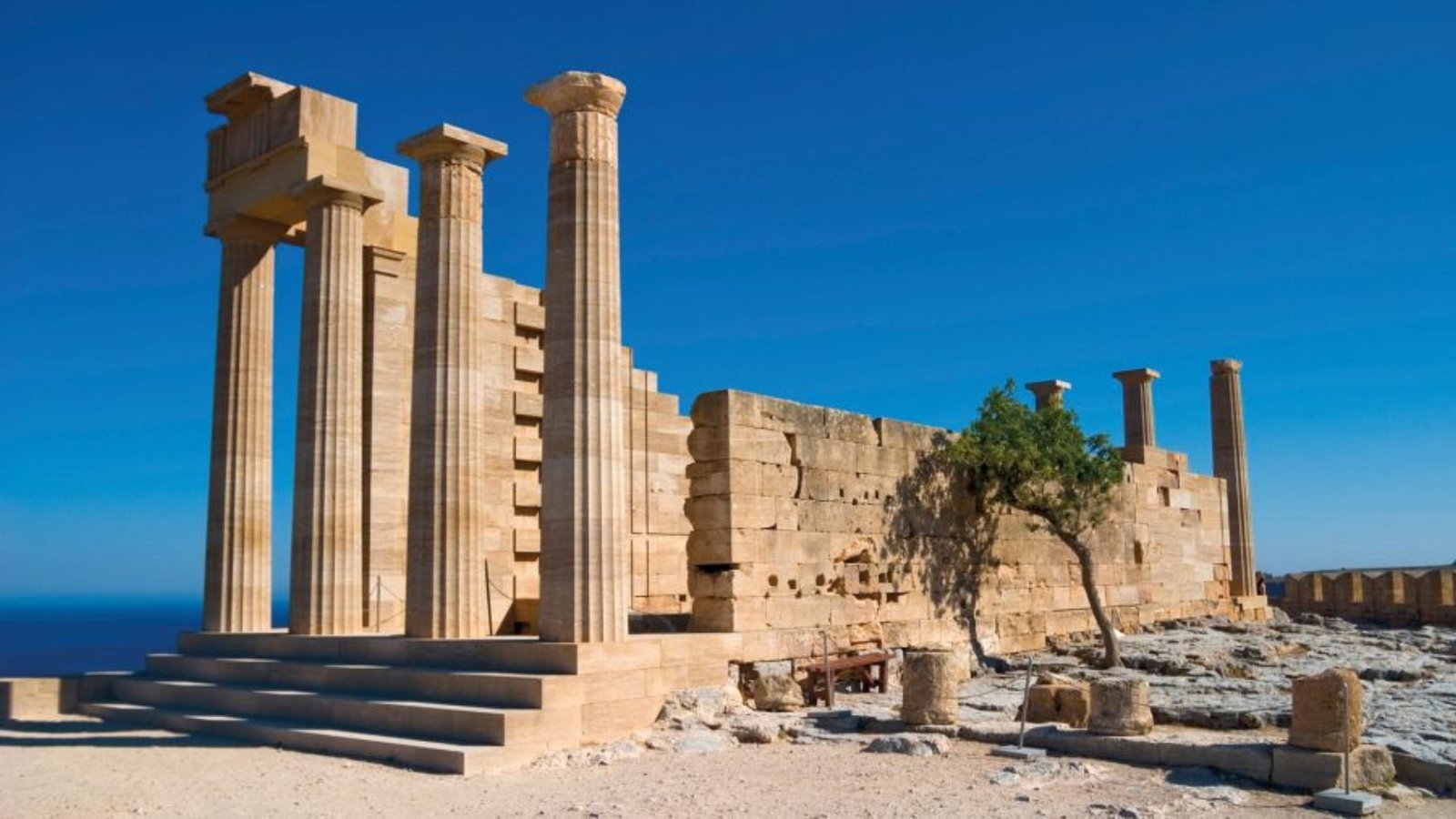
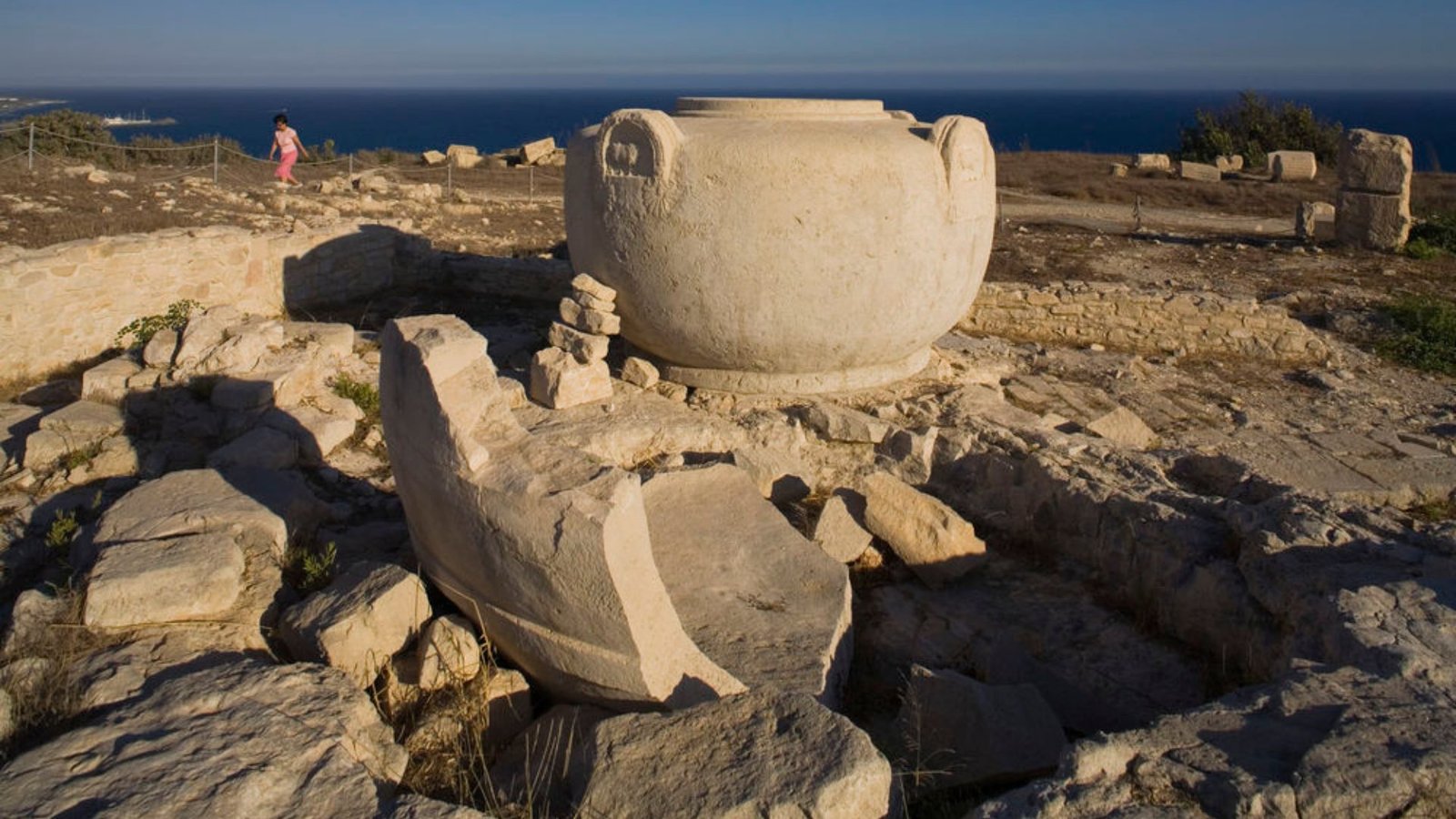
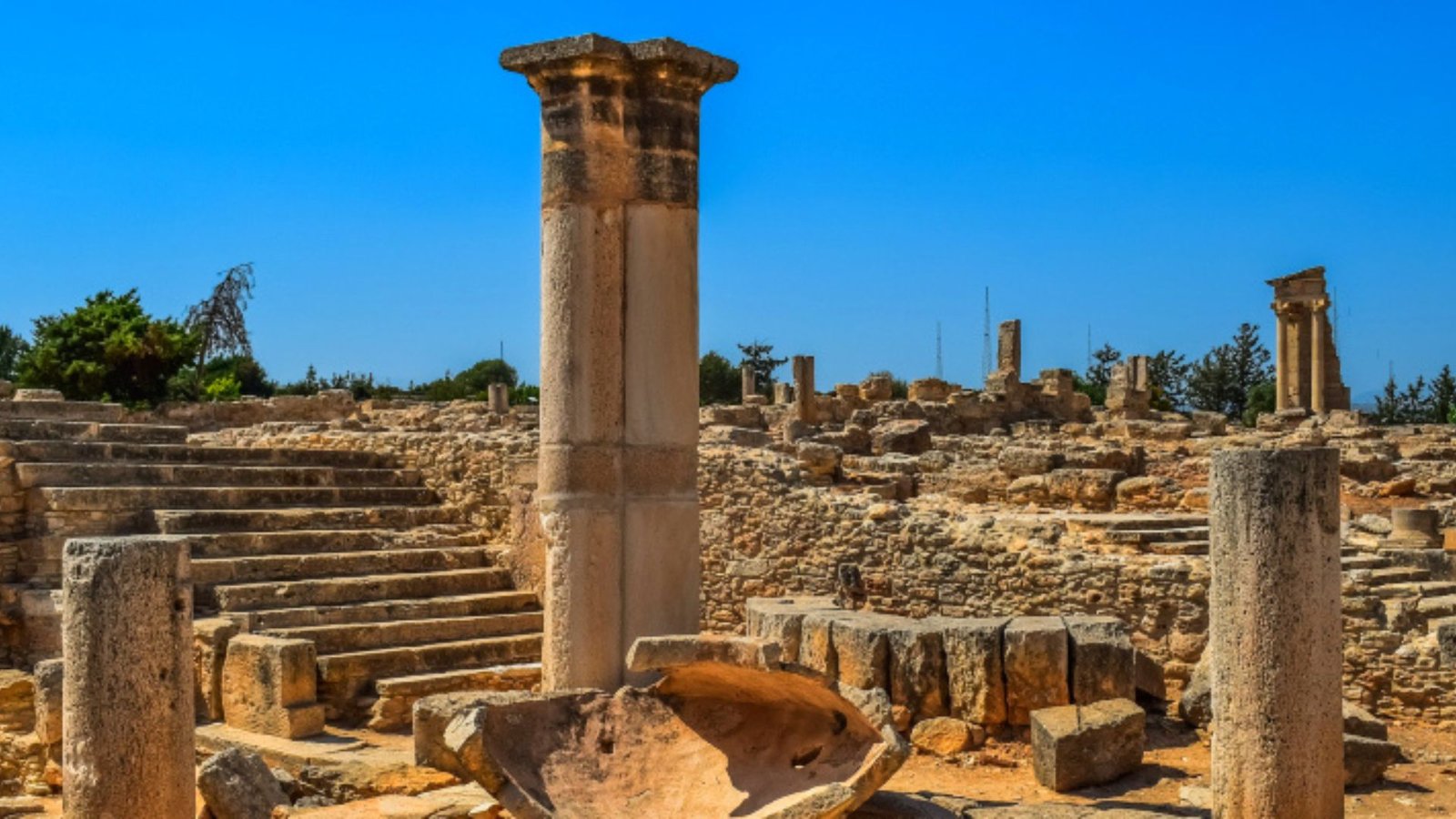
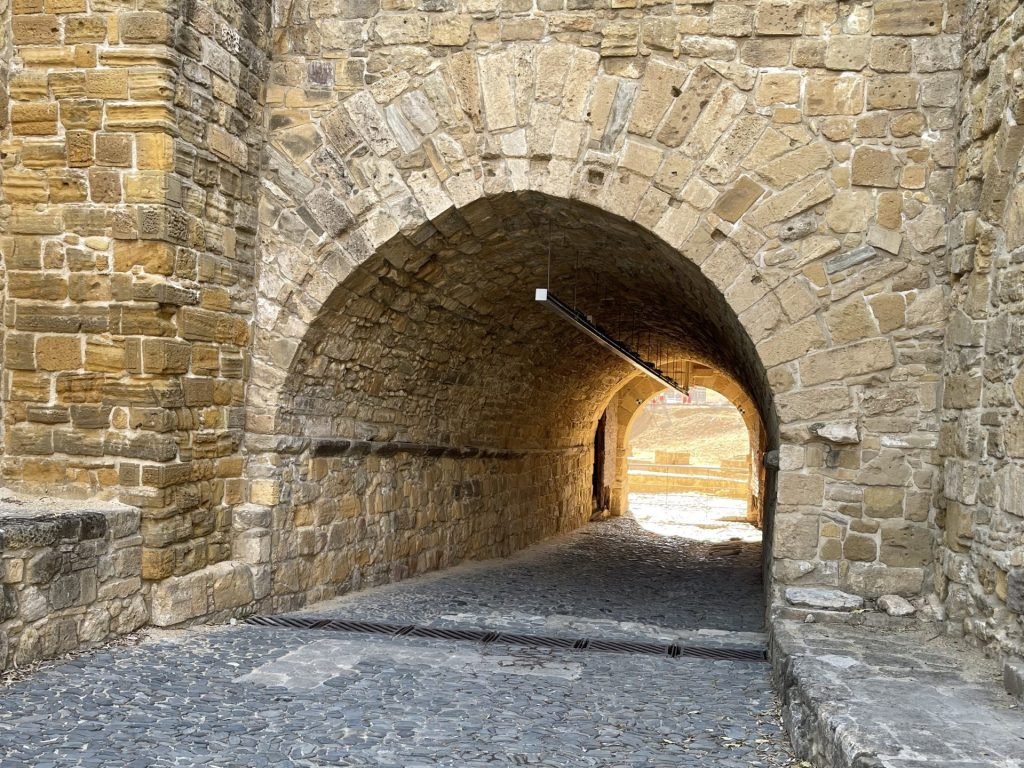
    If you’re planning to experience the rich history of Cyprus, knowing how to enjoy Cyprus’ historical tours will ensure you make the most of your visit. Cyprus is filled with ancient sites, captivating stories, and centuries-old landmarks that tell the tale of the island’s past. From impressive archaeological sites to charming old towns, there’s something for every history enthusiast. In this article, we’ll guide you through the best ways to enjoy these historical tours, making sure your trip is educational, enjoyable, and unforgettable.

    Start with a Guided Tour

    One of the best ways to enjoy Cyprus’ historical tours is by joining a guided tour. These tours are led by experienced guides who offer in-depth knowledge of the sites you’re visiting. Whether you’re exploring ancient ruins or medieval castles, having a guide can enhance your experience. They share fascinating stories about the people who lived there, the events that shaped the site, and details you might miss on your own. Plus, a guide can answer any questions you have along the way.
    How to Enjoy Cyprus’ Historical Tours
    How to Enjoy Cyprus’ Historical Tours

    Visit Paphos for Ancient Wonders

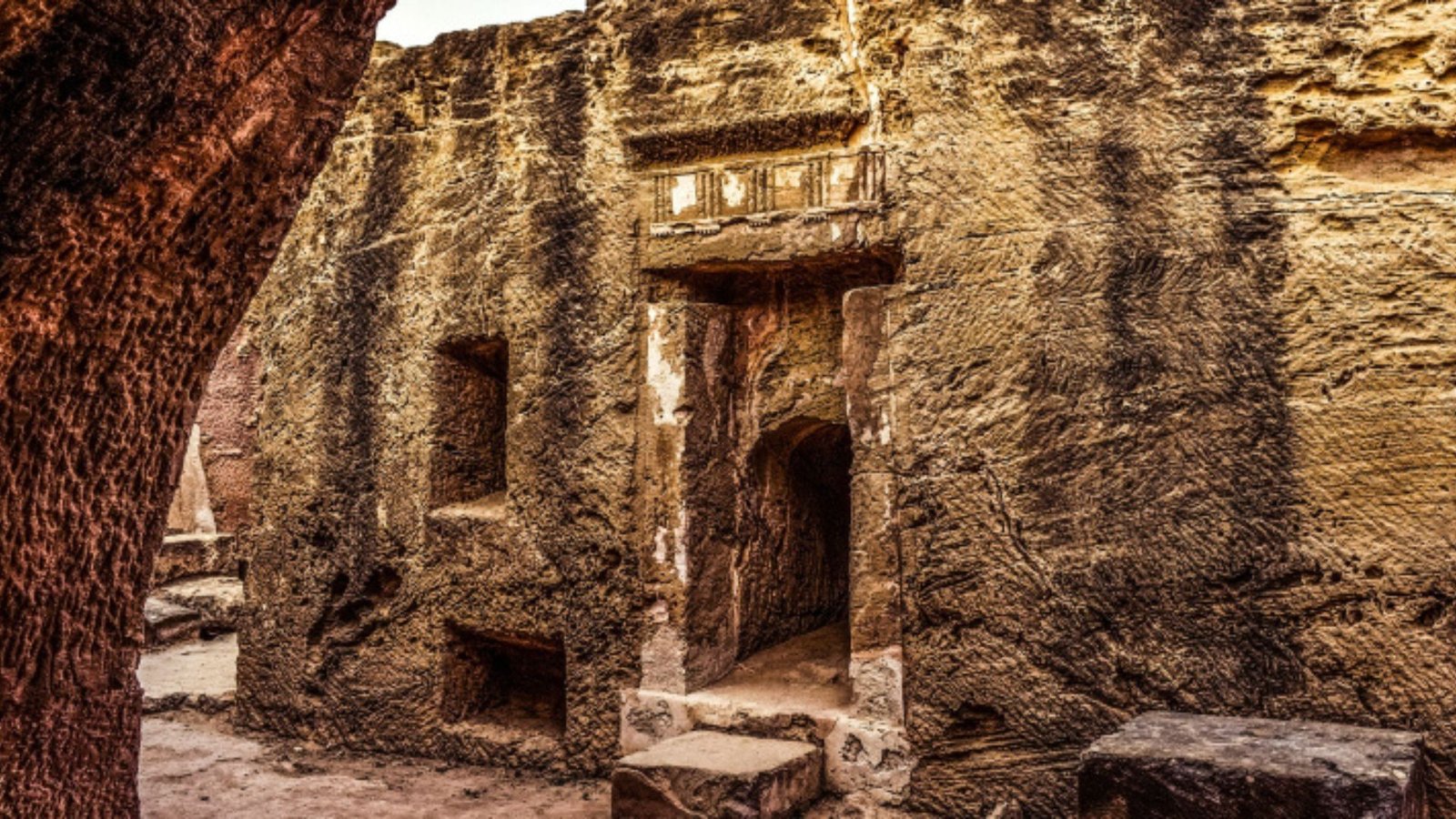
    Paphos is a city rich in history and is home to some of Cyprus’ most famous historical sites. When you’re in Paphos, be sure to visit the Tombs of the Kings and the Paphos Archaeological Park, both of which are UNESCO World Heritage Sites. Walking among the ancient ruins and seeing the stunning mosaics is a highlight for any history lover. The site is well-maintained, and there are informational signs to help you learn more as you explore. To truly appreciate Paphos, take your time and soak in the atmosphere of this ancient city.

    Explore Nicosia’s Old City

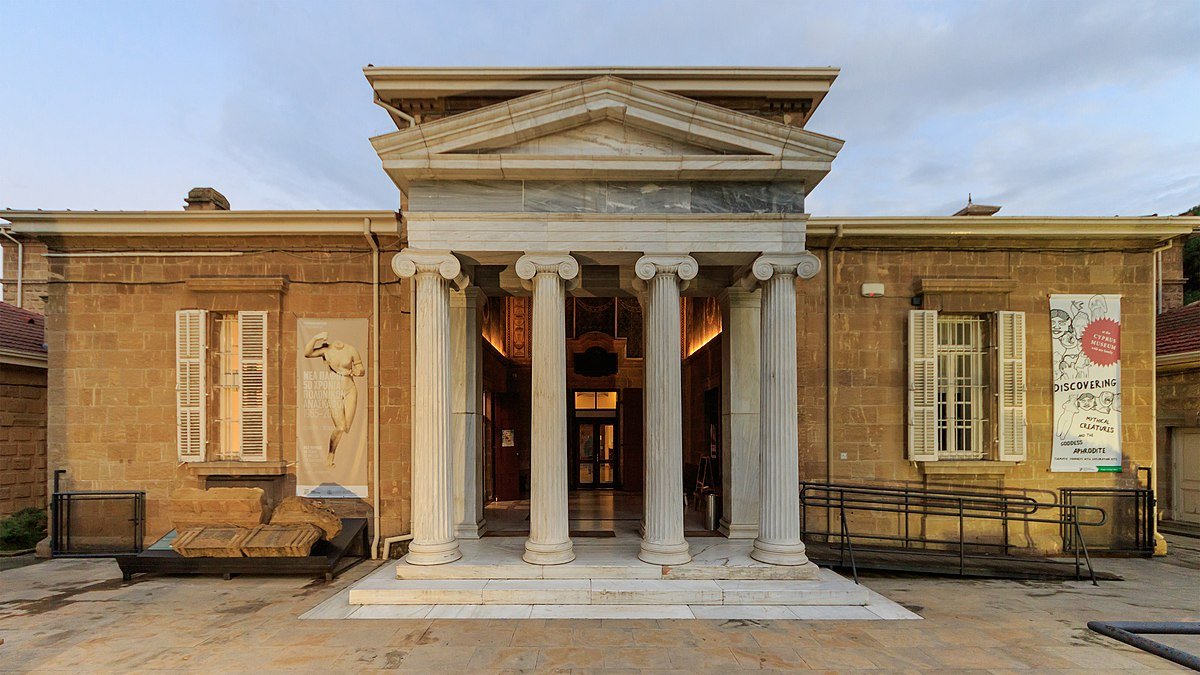
    If you want to understand how to enjoy Cyprus’ historical tours in a modern setting, visiting Nicosia, the capital, is a must. Nicosia is unique because it blends the old with the new. A walk through the Old City will take you past ancient walls, charming narrow streets, and historical buildings. Be sure to visit the Venetian Walls and the Cyprus Museum, which houses artifacts from various periods of Cyprus’ history. The Old City is a perfect spot to explore on foot, making it an immersive experience.

    Don’t Miss the Ancient City of Salamis

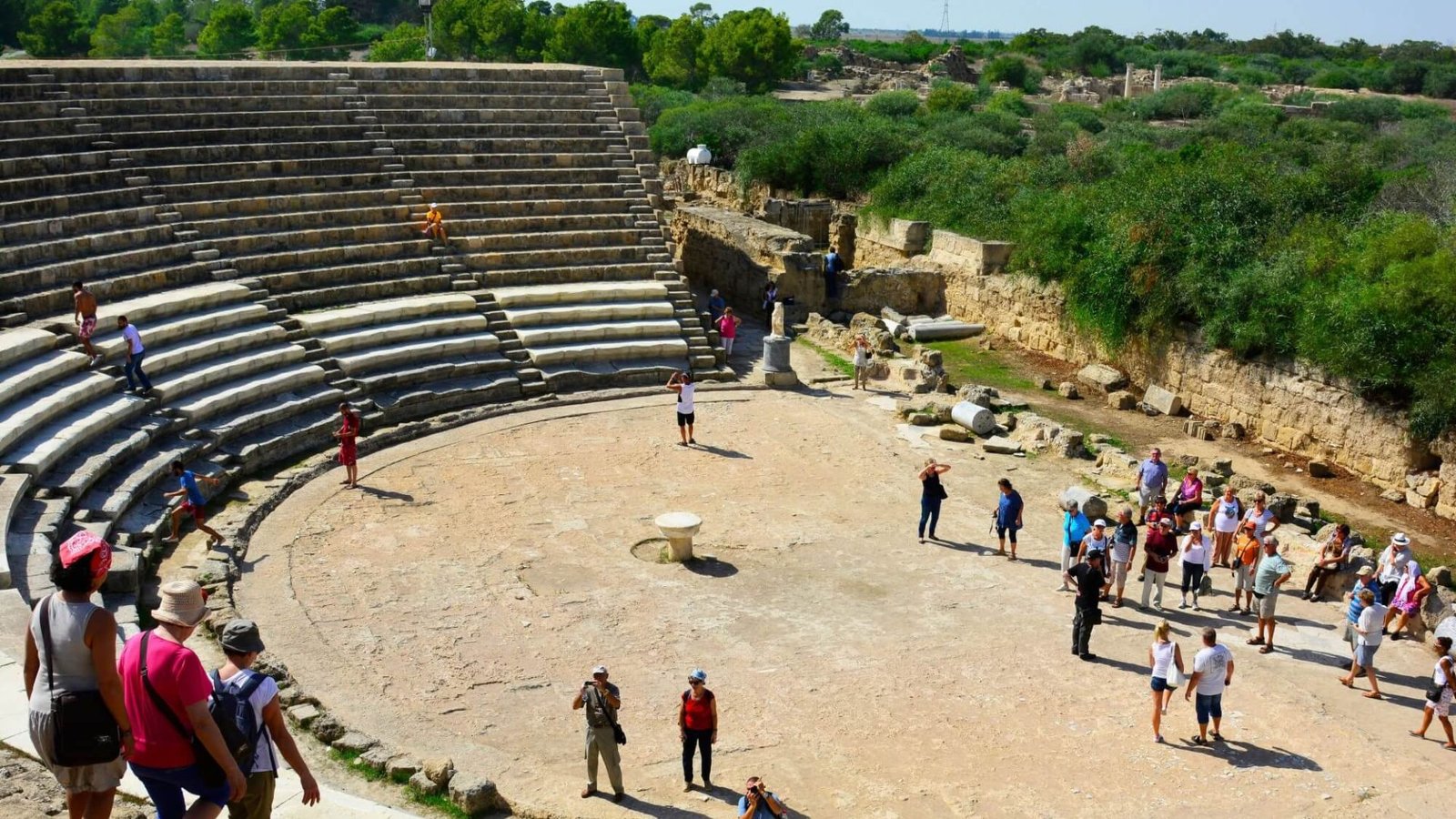
    Salamis, located near Famagusta, is another key historical site in Cyprus. As you walk through the ruins of this ancient city, you’ll get a sense of its significance in the island’s history. The site includes an impressive amphitheater, Roman baths, and a gymnasium. Make sure to bring a camera, as Salamis is one of the most photogenic spots on the island. Taking a guided tour here can also enhance your understanding of this remarkable site.

    Timing Your Visit for a Better Experience

    When it comes to knowing how to enjoy Cyprus’ historical tours, timing can make all the difference. If you visit in the morning or late afternoon, you’ll avoid the midday heat, which can be quite intense, especially in summer. Not only will the cooler weather make your tour more comfortable, but these times are also less crowded, allowing you to explore the sites more peacefully. Always bring a hat, sunscreen, and water to stay comfortable throughout your tour.

    Combine Historical Tours with Local Culture

    Cyprus is not just about ancient ruins and historical landmarks; it’s also about the local culture that surrounds them. To fully enjoy Cyprus’ historical tours, make sure to combine them with visits to local villages, markets, and restaurants. After a day of exploring, treat yourself to traditional Cypriot cuisine, such as souvlaki or halloumi. Engaging with the local culture adds a personal touch to your historical adventure and makes your trip even more memorable.

    Take Your Time at Each Site

    One important tip for those wanting to know how to enjoy Cyprus’ historical tours is to take your time at each site. Rushing through ruins or monuments might mean missing out on hidden details and stories. Spend time walking around, reading informational plaques, and appreciating the architecture. Some of these sites have stood for thousands of years, so taking it slow will help you truly connect with the history.

    Conclusion

    By following these tips on how to enjoy Cyprus’ historical tours, you’ll have a fulfilling and memorable experience. Whether you’re exploring ancient cities, walking through old towns, or visiting archaeological sites, Cyprus has a wealth of history to offer. From Paphos to Nicosia and Salamis, each location provides a unique glimpse into the island’s past. So, take your time, learn from local guides, and soak in the atmosphere of this historically rich island. There’s no better way to connect with Cyprus than by walking in the footsteps of those who came before.


  • Scenic Cycling Routes Along Cyprus’ Coastline

    Scenic Cycling Routes Along Cyprus’ Coastline

    Cyprus, with its stunning Mediterranean coastline, offers a cyclist’s dream come true. The island’s coastal cycling routes provide an incredible mix of picturesque views, charming beaches, and vibrant towns. Whether you seek a leisurely ride or an adrenaline-pumping adventure, Cyprus boasts a variety of cycling paths that cater to all levels of experience. Get ready to explore the breathtaking beauty of Cyprus as you cycle along its stunning shoreline.

    Scenic Cycling Routes Along Cyprus’ Coastline
    Scenic Cycling Routes Along Cyprus’ Coastline

    Explore the Larnaca to Ayia Napa Route

    Start your cycling journey with the Larnaca to Ayia Napa route, which stretches approximately 45 kilometers along the southern coast. This relatively flat route offers easy cycling and stunning views of the Mediterranean Sea.

    As you pedal along the coastline, enjoy scenic views of the azure waters and golden beaches. Take breaks at popular spots like Mackenzie Beach and Nissi Beach, where you can relax or enjoy a swim. This route also takes you through quaint fishing villages and lively towns, allowing you to experience the local culture.

    Discover the Paphos Coastal Path

    The Paphos Coastal Path offers a captivating cycling experience with breathtaking views of the Mediterranean and dramatic cliffs. This route spans about 12 kilometers and connects Paphos Harbor to the Tombs of the Kings.

    As you ride, admire the picturesque scenery, including rocky shorelines and beautiful gardens. The path is well-maintained and relatively flat, making it accessible for cyclists of all skill levels. Don’t miss the opportunity to stop at historical sites along the way, such as the ancient mosaics in Paphos and the beautiful coastal fortress.

    Enjoy the Limassol Promenade

    The Limassol Promenade features a vibrant cycling path that runs along the coastline for approximately 4 kilometers. This scenic route provides a delightful mix of beach views, palm trees, and lively cafes.

    Cycling along the promenade allows you to soak in the local atmosphere and enjoy the sights and sounds of the bustling city. You can stop for a bite at one of the many beachfront restaurants or cafes, savoring traditional Cypriot cuisine while watching the waves roll in.

    Experience the Akamas Peninsula

    For those seeking a more rugged adventure, the Akamas Peninsula offers challenging cycling trails that lead to stunning coastal views. The peninsula features a mix of off-road paths and coastal trails, allowing you to explore the island’s natural beauty.

    The Aphrodite’s Trail is a popular option, providing breathtaking views of the coastline and opportunities to encounter unique flora and fauna. Be prepared for a more technical ride, but the stunning landscapes and peaceful surroundings make it well worth the effort.

    Join Guided Cycling Tours

    If you prefer a structured experience, consider joining guided cycling tours that showcase Cyprus’ scenic coastline. Many local companies offer tours led by experienced guides who know the best routes and hidden gems.

    These tours often cater to different skill levels, ensuring that both beginners and experienced cyclists can enjoy the adventure. Additionally, guided tours provide insights into the local culture, history, and natural surroundings, enhancing your overall experience.

    Prepare for Your Coastal Cycling Adventure

    Before embarking on your shoreline biking adventure, ensure you are adequately prepared. Research the routes that interest you and check for trail conditions.

    Make sure to have the right gear, including a comfortable bike, helmet, and padded shorts. Don’t forget to pack essentials like water, sunscreen, and energy snacks to keep you fueled during your ride.

    Conclusion: Embrace the Beauty of Coastal Cycling in Cyprus

    Cyprus offers a plethora of scenic cycling routes that allow you to explore its breathtaking coastline. From the vibrant Larnaca to Ayia Napa route to the stunning views along the Paphos Coastal Path, every ride promises a unique experience.

    Grab your bike, hit the coastal trails, and immerse yourself in the stunning beauty of Cyprus. Each pedal stroke will take you closer to discovering the island’s hidden treasures and vibrant culture.

  • Planning Your Trip to Sites & Monuments in Cyprus

    Planning Your Trip to Sites & Monuments in Cyprus

    Planning a trip to Cyprus is exciting, especially when you want to explore its sites and monuments. The island is rich in history, culture, and stunning landscapes. To make the most of your visit, follow these tips for a smooth and enjoyable experience.

    Planning Your Trip to Sites & Monuments in Cyprus
    Planning Your Trip to Sites & Monuments in Cyprus

    1. Research Your Destinations

    Before you go, take time to research the sites and monuments you want to visit.

    • What to Look For: Find out the historical significance, opening hours, and any entry fees. Popular sites include Paphos Archaeological Park and Kykkos Monastery.
    • Why It Matters: Knowing what to expect helps you plan your itinerary better.

    2. Create a Flexible Itinerary

    Once you have a list of must-see sites, create a flexible itinerary.

    • Plan Your Days: Group attractions by location to minimize travel time. For example, visit Kourion and Limassol on the same day.
    • Be Flexible: Allow time for unexpected discoveries and rest breaks, especially if traveling with children or elderly family members.

    3. Check Accessibility Options

    Consider the accessibility of each site if you have mobility concerns.

    • What to Check: Look for information on wheelchair access and available facilities. Some sites, like Paphos Archaeological Park, are more accessible than others.
    • Plan Accordingly: Make arrangements if you need special assistance.

    4. Pack Essentials

    Make sure to pack the essentials for your trip.

    • What to Bring: Comfortable shoes for walking, sunscreen, water bottles, and a camera for capturing memories. If visiting during summer, lightweight clothing is a must.
    • Why It’s Important: Being prepared ensures a more enjoyable experience.

    5. Consider Guided Tours

    Guided tours can enhance your understanding of the sites.

    • Benefits: Local guides provide valuable insights and stories that enrich your visit. They can also help you navigate busy areas and find hidden gems.
    • Types of Tours: Look for options that focus on history, culture, or even adventure.

    6. Respect Local Customs

    Understanding local customs is important when visiting religious sites.

    • What to Remember: Dress modestly when visiting places like Kykkos Monastery. This means covering shoulders and knees.
    • Why It Matters: Respecting customs enhances your experience and shows appreciation for the local culture.

    7. Stay Hydrated and Nourished

    Exploring can be tiring, so take care of yourself.

    • What to Do: Carry water and snacks to keep your energy up. Many sites have nearby cafes or restaurants for meals.
    • Why It’s Important: Staying hydrated helps you enjoy your trip more fully.

    8. Use Public Transportation or Rent a Car

    Decide how you will get around the island.

    • Public Transport: Buses are available and can take you to many major sites, but check schedules in advance.
    • Renting a Car: This option provides more flexibility to explore at your own pace. Make sure to familiarize yourself with local driving rules.

    Conclusion

    In conclusion, planning your trip to sites and monuments in Cyprus can be both enjoyable and rewarding. By researching destinations, creating a flexible itinerary, and being prepared, you can make the most of your visit. Embrace the rich history and culture of Cyprus, and create lasting memories on this beautiful island!

  • Top Instagrammable Sites & Monuments in Cyprus

    Top Instagrammable Sites & Monuments in Cyprus

    Cyprus is a treasure trove of sites and monuments that are perfect for Instagram. From ancient ruins to breathtaking beaches, this island offers stunning backdrops for your photos. Let’s explore the most Instagrammable sites and monuments in Cyprus!

    Top Instagrammable Sites & Monuments in Cyprus
    Top Instagrammable Sites & Monuments in Cyprus

    1. Paphos Harbour

    Paphos Harbour is a vibrant spot with a beautiful view.

    • What to Capture: The picturesque harbor, lined with colorful boats and cafes, offers stunning sunset shots. The medieval castle in the background adds charm.
    • Why It’s Instagrammable: The blend of historical architecture and natural beauty makes for captivating photos.

    2. The Blue Lagoon

    The Blue Lagoon is famous for its crystal-clear waters.

    • What to Capture: Capture the brilliant turquoise water against the rocky coastline. This hidden gem is perfect for beach photos and underwater shots.
    • Why It’s Instagrammable: Its stunning color and serene setting create an idyllic beach vibe.

    3. Kourion Ancient Theatre

    Kourion Ancient Theatre is a historical marvel with stunning views.

    • What to Capture: Snap photos of the well-preserved amphitheater with the Mediterranean Sea in the background. The sunsets here are particularly magical.
    • Why It’s Instagrammable: The combination of history and breathtaking scenery creates unforgettable images.

    4. Ayia Napa Sea Caves

    These natural formations are a must-see.

    • What to Capture: The unique shapes of the sea caves and the vivid blue waters provide great photo opportunities. Explore the area for various angles and perspectives.
    • Why It’s Instagrammable: The dramatic landscape and vibrant colors are perfect for eye-catching posts.

    5. Tombs of the Kings

    This UNESCO World Heritage site offers impressive architecture.

    • What to Capture: The ancient tombs carved into the rock provide a unique backdrop. Capture the intricate details and grand entrances.
    • Why It’s Instagrammable: The historical significance and unique architecture make for compelling photographs.

    6. Cape Greco National Forest Park

    Cape Greco is a stunning natural park with breathtaking views.

    • What to Capture: The dramatic cliffs and azure waters are perfect for landscape shots. Look for the iconic Blue Bridge for unique angles.
    • Why It’s Instagrammable: The natural beauty and diverse landscapes provide endless photo opportunities.

    7. Nicosia’s Ledra Street

    Ledra Street is a bustling shopping and cultural area.

    • What to Capture: Capture the vibrant street life, local shops, and the Green Line that divides the city. The mix of cultures adds to the charm.
    • Why It’s Instagrammable: The lively atmosphere and unique blend of architecture make for engaging photos.

    8. Kykkos Monastery

    This monastery is one of the most important religious sites in Cyprus.

    • What to Capture: Snap the stunning architecture and the beautiful mountain backdrop. The colorful frescoes inside are also photogenic.
    • Why It’s Instagrammable: The combination of spirituality and breathtaking views offers unique and inspiring shots.

    Conclusion

    In conclusion, Cyprus is filled with Instagrammable sites and monuments that will elevate your social media feed. From vibrant harbors to ancient ruins, each location offers unique beauty and charm. So grab your camera, explore these stunning spots, and capture the magic of Cyprus!

  • Ways to Visit Cyprus’ Oldest Monuments

    Ways to Visit Cyprus’ Oldest Monuments

    If you’re looking for a way to connect with history, visiting Cyprus’ oldest monuments is a fantastic experience. Cyprus is home to many ancient sites that date back thousands of years, offering a glimpse into the island’s rich heritage. Whether you are fascinated by ancient temples, prehistoric villages, or old churches, you can find plenty of remarkable landmarks to explore. In this article, we’ll share some of the best ways to visit these oldest monuments in Cyprus, ensuring that your trip is both memorable and easy to navigate.

    Start with Khirokitia: One of the Earliest Settlements

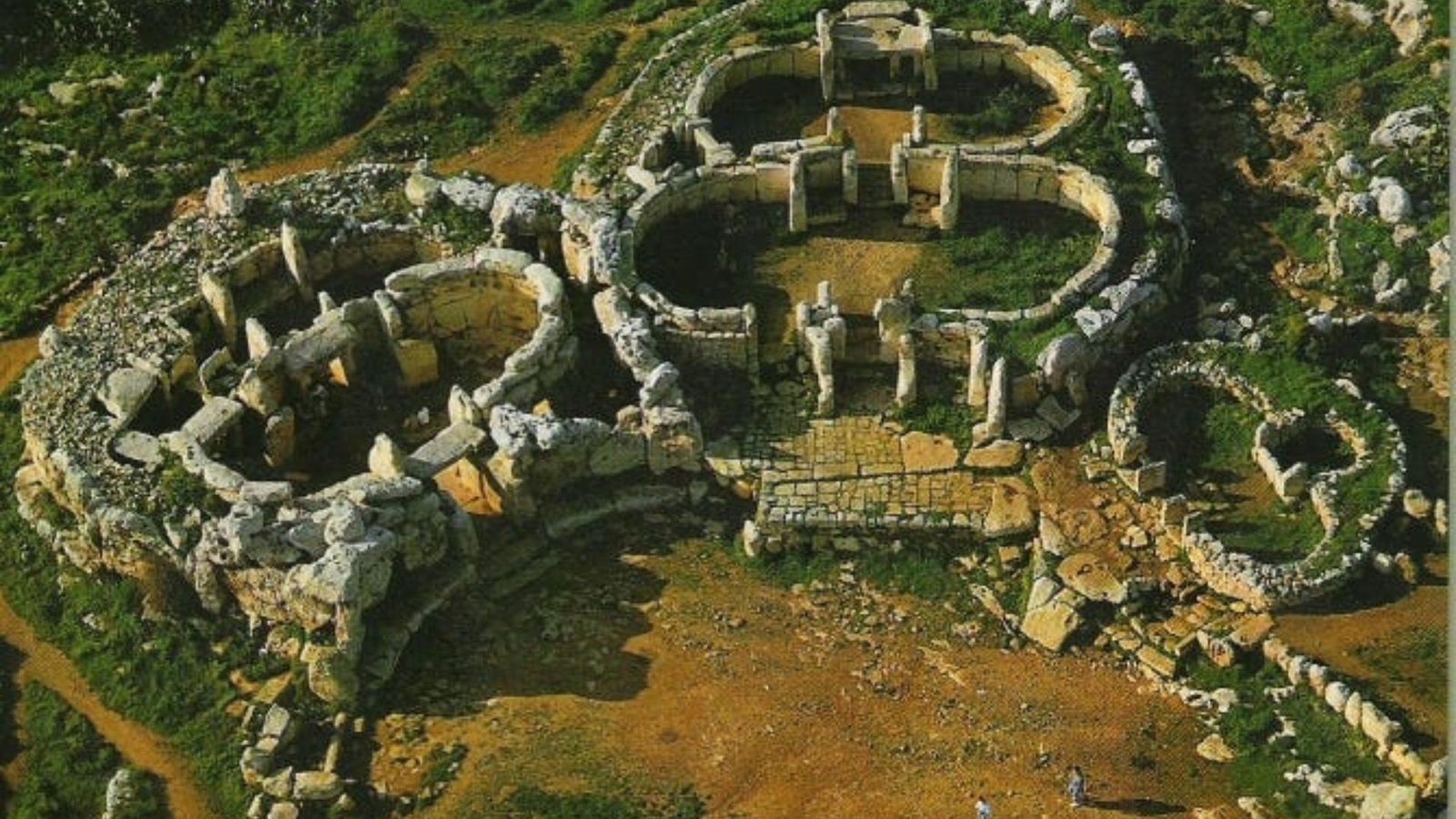
    When visiting Cyprus’ oldest monuments, Khirokitia is a must-see. This Neolithic settlement is one of the oldest and best-preserved prehistoric sites on the island. Located in the Larnaca District, it dates back to around 7000 BC. Walking through the circular stone houses and seeing the remnants of this ancient village is like stepping back in time. The site is easy to explore, with clear paths and informational signs to help you understand its significance.

    Cyprus’ Oldest Monuments
    Cyprus’ Oldest Monuments

    Explore the Ancient Tombs of the Kings in Paphos

    Another incredible site among Cyprus’ oldest monuments is the Tombs of the Kings in Paphos. These underground tombs, carved out of solid rock, are believed to date back to the 4th century BC. The tombs were not for royalty, despite the name, but for high-ranking officials. This site offers a serene, almost eerie experience as you wander through the large burial chambers, each offering a peek into the ancient past. It’s a well-maintained site and a favorite for history enthusiasts.

    Visit the Temple of Apollo Hylates

    The Temple of Apollo Hylates, located near the ancient city of Kourion, is another landmark that should be on your list when exploring Cyprus’ oldest monuments. This temple was dedicated to Apollo, the god of forests, and dates back to the 8th century BC. Although much of the temple lies in ruins, some parts have been restored, giving you a clear idea of its former grandeur. The area surrounding the temple is equally fascinating, with other ruins to explore, making it a rewarding stop.

    Check Out the Ruins of Ancient Kourion

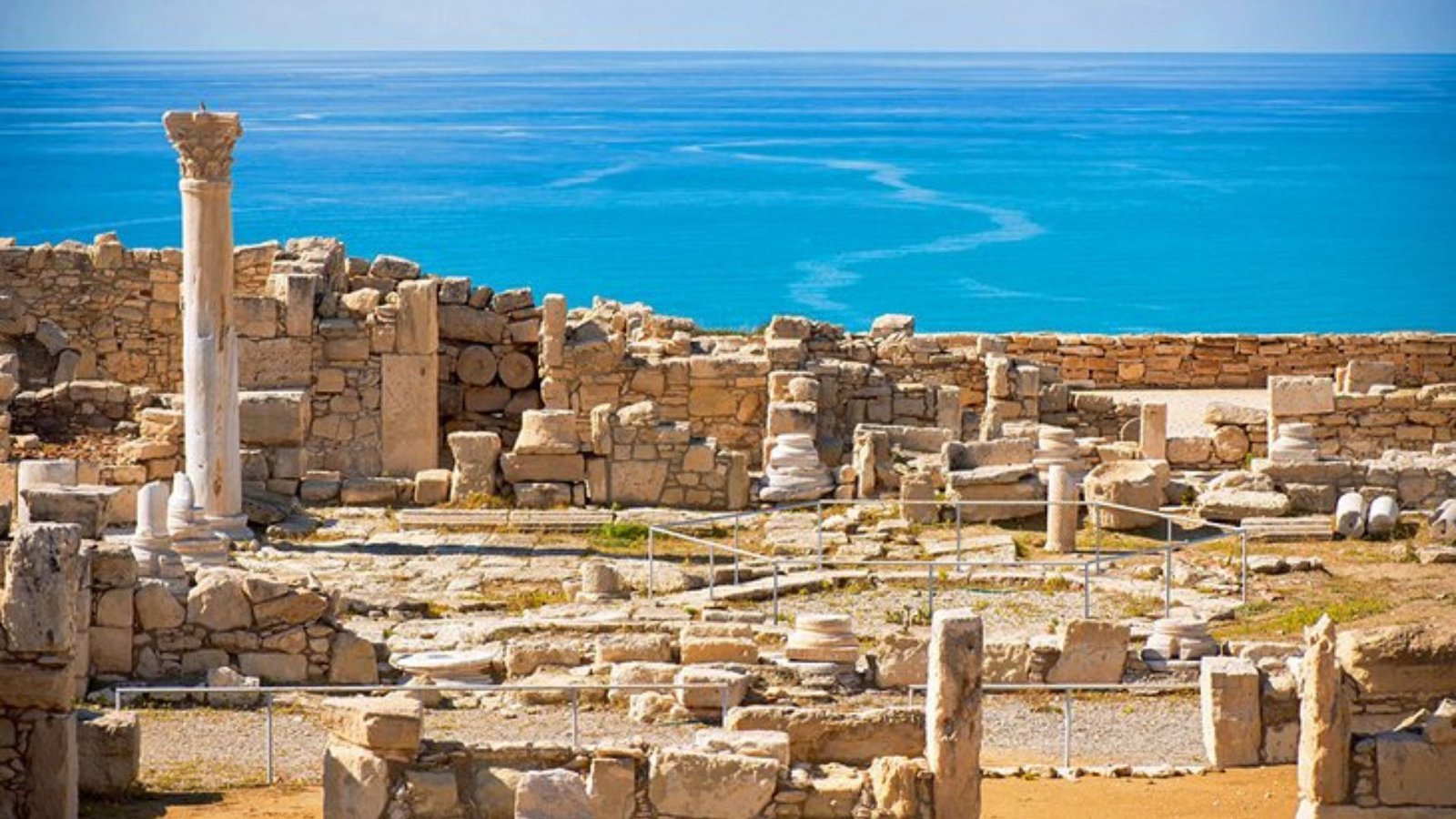
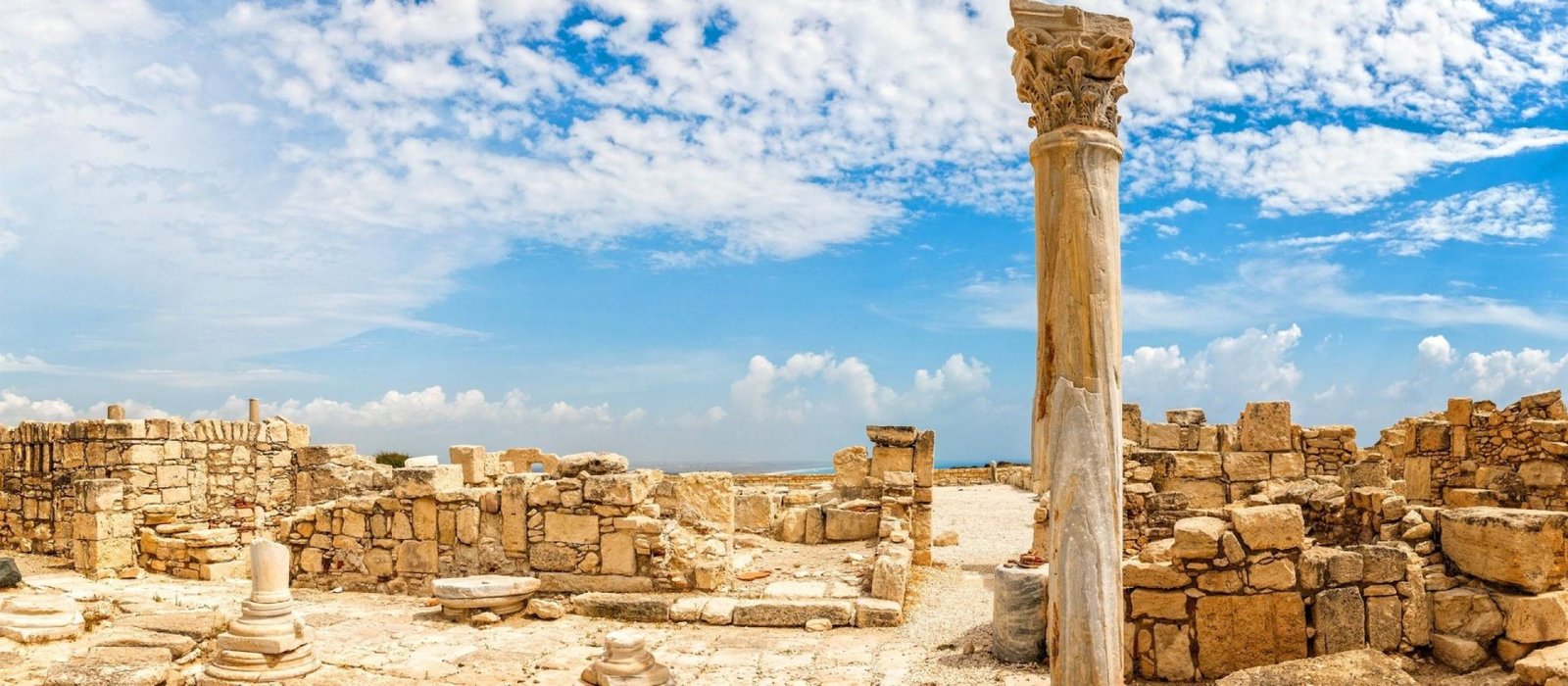
    No trip to see Cyprus’ oldest monuments would be complete without visiting Ancient Kourion. This ancient city is perched on a cliff overlooking the Mediterranean, and its history dates back to the 12th century BC. Kourion features a number of impressive ruins, including a Greco-Roman theater, mosaics, and a Christian basilica. The site is well-preserved and offers plenty of photo opportunities, especially if you time your visit during sunset.

    Don’t Miss the Ancient City of Salamis

    For those interested in history, Salamis is a treasure trove of ancient ruins. Located near Famagusta, this vast site was once the capital of Cyprus. It contains remnants of a large gymnasium, Roman baths, and an impressive amphitheater. The ruins at Salamis provide a vivid picture of what life was like in the ancient city. As one of Cyprus’ oldest monuments, it’s a place that offers both cultural and historical insight.

    Explore the Church of Panagia Angeloktisti

    Another ancient site that’s worth visiting is the Church of Panagia Angeloktisti. This Byzantine church, located in Kiti village, dates back to the 11th century. What makes this church stand out is its beautiful mosaics, some of the finest examples of early Christian art in Cyprus. Visiting this church offers a unique contrast to the other ruins and fortresses, highlighting the island’s rich religious history.

    Tips for Visiting Cyprus’ Oldest Monuments

    • Plan Ahead: Before visiting Cyprus’ oldest monuments, make sure to check opening hours, especially for sites that require an entry fee.
    • Bring Comfortable Footwear: Many of these ancient sites involve walking on uneven surfaces, so it’s essential to wear good walking shoes.
    • Hire a Local Guide: While many sites have informational boards, hiring a local guide can provide you with deeper insights into the history and significance of these monuments.
    • Pack Water and Sunscreen: Cyprus can get hot, especially during summer, so make sure to stay hydrated and protected from the sun.
    • Timing Is Everything: Try to visit these monuments early in the morning or late afternoon to avoid the heat and the crowds.

    Conclusion

    Visiting Cyprus’ oldest monuments is a journey through time, allowing you to witness the island’s rich historical tapestry. From ancient tombs to prehistoric settlements, each site offers its own unique story. By planning your trip and following these tips, you can enjoy a meaningful and unforgettable experience. These monuments are not just remnants of the past; they are a window into the cultures and civilizations that shaped Cyprus into the country it is today.

  • Accessibility of Sites & Monuments in Cyprus

    Accessibility of Sites & Monuments in Cyprus

    Cyprus is rich in history, filled with sites and monuments that tell the story of the island. However, understanding the accessibility of these attractions is essential for all visitors. Whether you are traveling with children, elderly relatives, or have mobility challenges, knowing what to expect can greatly enhance your experience. Let’s explore how accessible these sites are!

    Accessibility of Sites & Monuments in Cyprus
    Accessibility of Sites & Monuments in Cyprus

    1. Paphos Archaeological Park

    Paphos Archaeological Park is a must-visit destination for history lovers.

    • Accessibility: The park features paved pathways that are mostly flat. This makes it easy to navigate with wheelchairs and strollers.
    • Facilities: Accessible restrooms are available, ensuring comfort during your visit.

    2. Kykkos Monastery

    Kykkos Monastery is one of Cyprus’s most famous religious sites.

    • Accessibility: While the main entrance is accessible, the interior paths can be steep and uneven, which may pose challenges for those with mobility issues.
    • Facilities: Limited accessible restrooms are available, so plan your visit accordingly.

    3. Kourion

    Kourion offers stunning ruins and breathtaking views of the coast.

    • Accessibility: The amphitheater and main areas have accessible paths. However, some sections may have uneven terrain, which can be tricky for wheelchairs.
    • Facilities: There are restrooms on-site, but accessibility may vary in different areas.

    4. Limassol Zoo

    Limassol Zoo is perfect for families and animal lovers.

    • Accessibility: The zoo has paved walkways that are wheelchair-friendly and easy for strollers to navigate.
    • Facilities: Accessible restrooms are available throughout the zoo, making it convenient for families.

    5. Troodos Mountains

    The Troodos Mountains are a great destination for nature lovers.

    • Accessibility: Some hiking trails are accessible, but others may be rugged and steep. Check local guides for suitable paths.
    • Facilities: Picnic areas are available, but restrooms may be limited in some spots.

    6. Famagusta

    Famagusta is rich in history and beautiful architecture.

    • Accessibility: The streets have cobblestones, which can be challenging for those with mobility issues. Some areas may require careful navigation.
    • Facilities: Public restrooms are available, but their accessibility varies.

    7. The Byzantine Museum in Nicosia

    This museum is a treasure trove of Byzantine art.

    • Accessibility: The museum is fully accessible, with ramps and elevators for easy navigation throughout the exhibits.
    • Facilities: Accessible restrooms are provided on-site, ensuring a comfortable visit.

    8. Agios Georgios Pegeias

    This quaint village showcases traditional Cypriot life.

    • Accessibility: The village features mostly flat streets, making them accessible for wheelchairs and strollers.
    • Facilities: Restroom facilities are limited, so it’s wise to plan ahead.

    Conclusion

    In conclusion, many sites and monuments in Cyprus offer varying levels of accessibility. By planning your visit and understanding what to expect, you can make the most of your experience. Whether you’re exploring ancient ruins or enjoying the natural beauty, Cyprus has something to offer everyone. Prepare for your adventure and immerse yourself in the rich history of this beautiful island!

  • Best Museums to Discover in Cyprus

    Best Museums to Discover in Cyprus

    Cyprus, a land with a rich cultural tapestry, offers history and art lovers a variety of fascinating museums to explore. Whether you are interested in ancient civilizations, medieval history, or modern art, Cyprus has a museum for every curious traveler. Let’s delve into some of the best museums to discover in Cyprus that will surely enrich your journey through the island’s diverse past and present.

    Best Museums to Discover in Cyprus
    Best Museums to Discover in Cyprus

    1. Cyprus Museum: A Glimpse into Ancient History

    The Largest Archaeological Museum

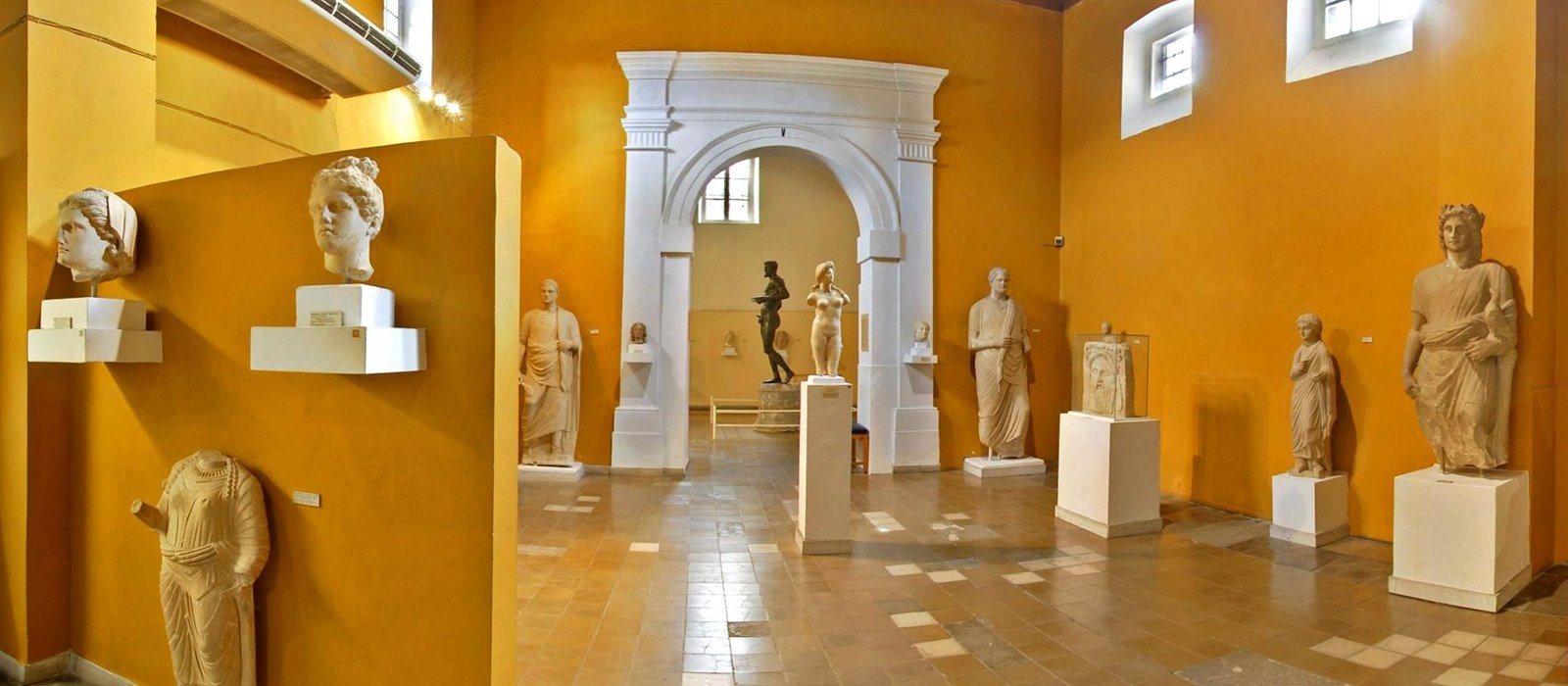
    The Cyprus Museum in Nicosia is the largest and oldest archaeological museum on the island. It houses an impressive collection of artifacts that span the Neolithic period to the Roman era. As you walk through its halls, you’ll discover ancient statues, pottery, jewelry, and sculptures that showcase the depth of Cyprus’ historical significance.

    Must-See Artifacts

    Don’t miss the stunning Aphrodite of Soli, a beautiful limestone statue that reflects the goddess of love’s deep connection with Cyprus. Another notable artifact is the bronze statue of the Roman Emperor Septimius Severus, a striking representation of the island’s Roman influence. This museum is the perfect starting point for anyone eager to understand the ancient roots of Cyprus.

    2. Leventis Municipal Museum: Exploring Nicosia’s History

    Nicosia Through the Ages

    Located in the heart of the capital, the Leventis Municipal Museum offers a detailed history of Nicosia, from ancient times to the modern era. Its exhibits focus on the city’s development, with collections ranging from medieval artifacts to everyday objects that reflect life in Cyprus across different periods.

    Interactive and Engaging Exhibits

    The museum’s interactive displays make learning about Nicosia’s history both engaging and fun. Whether you’re fascinated by maps from the Ottoman Empire or traditional Cypriot costumes, the Leventis Museum provides an enriching experience for all ages.

    3. Pierides Museum: A Collection of Cultural Treasures

    An Iconic Private Collection

    The Pierides Museum in Larnaca is one of Cyprus’ oldest private museums. It houses an extraordinary collection of Cypriot antiquities, meticulously gathered by the Pierides family over generations. This museum is located in a beautiful colonial-style house, adding to its charm and historic atmosphere.

    Highlights of Cypriot Heritage

    Among its most notable exhibits are artifacts from the prehistoric, Archaic, and Roman periods. Visitors can admire ancient pottery, glassware, and statues that offer a comprehensive view of Cypriot civilization. The Pierides Museum is a must-visit for those who wish to explore the island’s rich artistic and cultural heritage.

    4. Limassol Archaeological Museum: A Coastal Treasure Trove

    Discover Artifacts from the South Coast

    If you find yourself in Limassol, the Limassol Archaeological Museum is the perfect place to explore the ancient history of Cyprus’ southern coast. This museum focuses on findings from local archaeological sites, making it a unique destination for anyone interested in the specific heritage of this coastal region.

    Exhibits Not to Miss

    One of the standout exhibits is the collection of Mycenaean pottery, showcasing the trade connections between Cyprus and ancient Greece. You’ll also discover a range of tools, weapons, and jewelry that give a glimpse into the lives of Cyprus’ ancient inhabitants.

    5. Byzantine Museum: A Window into Christian Heritage

    Preserving Byzantine Art

    The Byzantine Museum, located in the Archbishop’s Palace in Nicosia, is home to an incredible array of Byzantine icons, frescoes, and religious artifacts. For those interested in Cyprus’ Christian heritage and the influence of the Byzantine Empire, this museum is an essential visit.

    The Importance of Religious Art

    One of the highlights of this museum is its collection of early Christian icons that date back to the 9th century. These works of art provide insight into the spiritual life of Cyprus’ past, making the Byzantine Museum a valuable stop for anyone fascinated by religious history and art.

    6. The Cyprus Folk Art Museum: Celebrating Rural Traditions

    A Journey into Folk Culture

    For a look into the traditional way of life in Cyprus, visit the Cyprus Folk Art Museum in Nicosia. The museum showcases an extensive collection of Cypriot folk art, including textiles, pottery, tools, and musical instruments, all reflecting the daily lives of the island’s rural communities.

    Connecting with Cypriot Traditions

    This museum offers visitors a chance to understand how Cypriots lived in earlier centuries, with exhibits dedicated to agriculture, crafts, and family life. The woven tapestries and handmade ceramics are just some of the remarkable items on display that represent Cyprus’ rich folk culture.

    Conclusion

    Exploring the best museums in Cyprus allows you to travel through time, from the island’s ancient civilizations to its more recent artistic achievements. Whether you are drawn to archaeology, history, or the folk traditions of the Cypriot people, these museums offer a wealth of knowledge and culture. By visiting these diverse institutions, you’ll gain a deeper appreciation of Cyprus’ multifaceted heritage, making your trip all the more memorable.

  • Cultural Significance of Sites & Monuments in Cyprus

    Cultural Significance of Sites & Monuments in Cyprus

    Cyprus is a melting pot of cultures, reflected in its diverse sites and monuments. These historical treasures tell the story of the island’s rich heritage. Understanding their cultural significance enhances our appreciation of Cyprus. Let’s explore some key importance cultural significance of sites and monuments in Cyprus!

    Cultural Significance of Sites & Monuments in Cyprus
    Cultural Significance of Sites & Monuments in Cyprus

    1. Paphos Archaeological Park

    This UNESCO World Heritage site highlights the island’s ancient history.

    • Cultural Significance: The park contains intricate mosaics that depict Greek mythology. These artworks reveal the artistic skills and cultural influences of ancient Cypriots.
    • Why It Matters: Paphos serves as a reminder of the island’s importance during the Hellenistic and Roman periods.

    2. Kykkos Monastery

    Kykkos Monastery is one of the most important religious sites in Cyprus.

    • Cultural Significance: Founded in the 11th century, it houses a revered icon of the Virgin Mary. The monastery plays a vital role in the spiritual life of Cypriots.
    • Why It Matters: It reflects the deep-rooted religious traditions and the significance of Orthodox Christianity in Cyprus.

    3. Kourion

    Kourion was once a thriving city-state in ancient times.

    • Cultural Significance: The ruins, including an amphitheater and public baths, showcase the architectural prowess of the Romans. They also highlight the city’s role as a cultural center.
    • Why It Matters: Kourion provides insights into daily life and governance in ancient Cyprus, connecting modern visitors to their historical roots.

    4. Hala Sultan Tekke

    This mosque is a significant religious site for Muslims.

    • Cultural Significance: Dedicated to Umm Haram, a relative of the Prophet Muhammad, the mosque attracts many pilgrims. Its serene location adds to its spiritual importance.
    • Why It Matters: Hala Sultan Tekke represents the Islamic heritage of Cyprus and its role in the island’s multicultural identity.

    5. Famagusta’s Historical Sites

    Famagusta is rich in history and architectural beauty.

    • Cultural Significance: The city features Gothic churches, ancient city walls, and Othello Castle. These structures tell the story of the city’s diverse influences over the centuries.
    • Why It Matters: Famagusta reflects the island’s complex history and the impact of various civilizations, including the Venetians and Ottomans.

    6. The Byzantine Museum in Nicosia

    This museum houses a vast collection of Byzantine art.

    • Cultural Significance: The museum features icons, manuscripts, and religious artifacts that illustrate the artistic and spiritual life of the Byzantine period.
    • Why It Matters: It preserves Cyprus’s Christian heritage and offers insights into the island’s historical connections to Byzantium.

    7. Choirokoitia

    Choirokoitia is a Neolithic archaeological site.

    • Cultural Significance: This site shows evidence of some of the earliest human settlements in Cyprus, dating back to 7000 BC. The circular stone houses reflect early architectural practices.
    • Why It Matters: Choirokoitia connects modern Cypriots to their ancient ancestors, emphasizing the island’s long history of habitation.

    8. St. Hilarion Castle

    St. Hilarion Castle is a medieval fortress with stunning views.

    • Cultural Significance: The castle played a significant role in the defense of Cyprus during the Crusades. Its architecture showcases medieval military design.
    • Why It Matters: St. Hilarion represents the island’s strategic importance and the historical conflicts that shaped its development.

    Conclusion

    In conclusion, the cultural significance of sites and monuments in Cyprus is profound. Each location tells a story that reflects the island’s rich heritage and diverse influences. By exploring these sites, visitors gain a deeper understanding of Cyprus’s history and cultural identity. So, take the time to appreciate these treasures and the stories they hold!

  • Top Fortresses and Ruins in Cyprus

    Top Fortresses and Ruins in Cyprus

    If you’re planning a trip to Cyprus, don’t miss out on the chance to explore the fortresses and ruins in Cyprus. This island is rich in history, offering countless ancient sites where you can experience the echoes of the past. From impressive medieval fortresses to centuries-old ruins, these landmarks give visitors a glimpse into Cyprus’ storied past. Whether you’re a history enthusiast or simply curious about the island’s heritage, these fortresses and ruins are must-see locations.

    1. Kolossi Castle: A Medieval Masterpiece

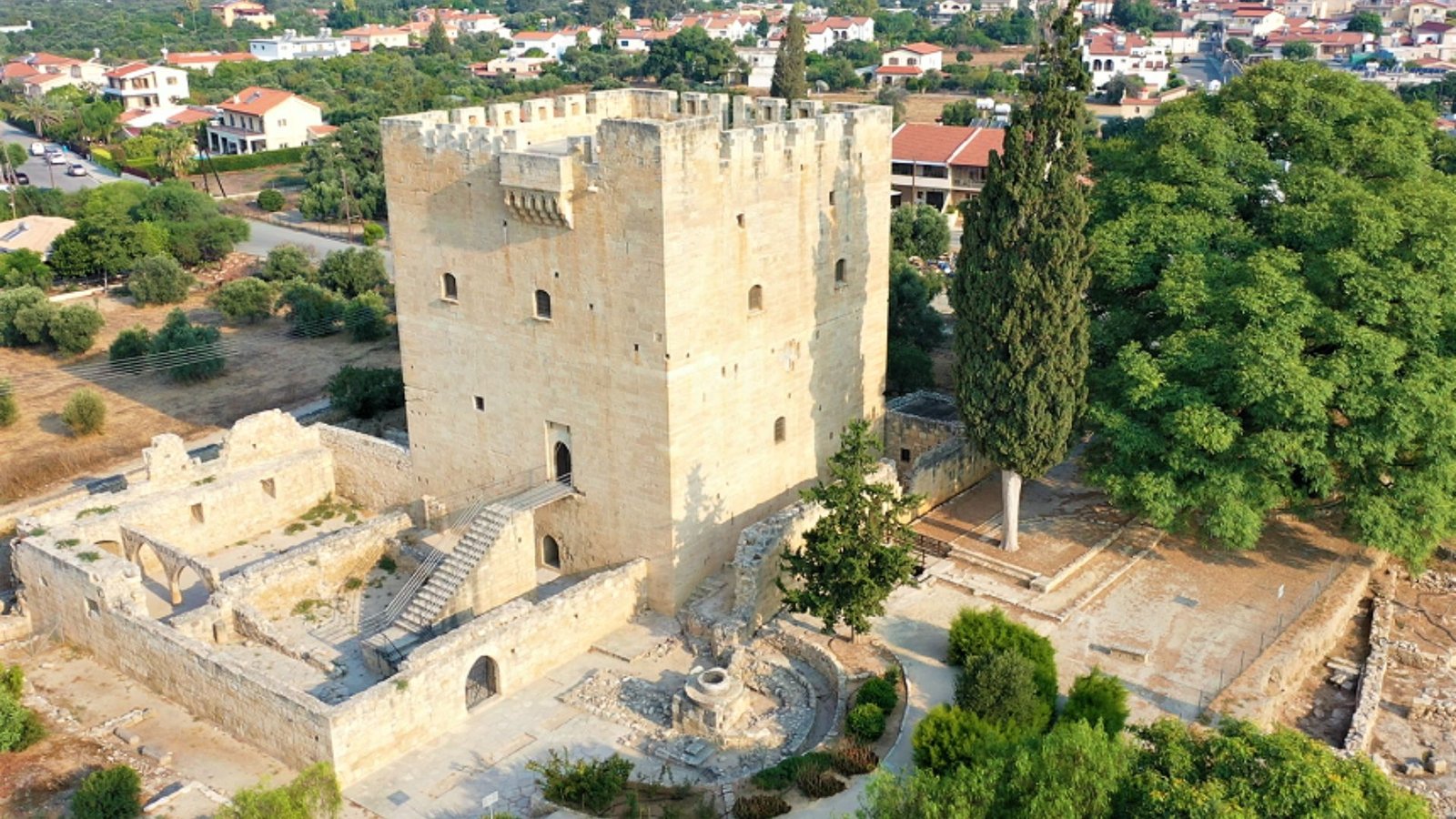
    One of the most famous fortresses and ruins in Cyprus is Kolossi Castle, located near Limassol. Built in the 13th century by the Knights of St. John, this medieval fortress stands tall, showcasing its military importance. The castle’s thick walls, towering structure, and well-preserved rooms make it a fantastic spot for anyone interested in medieval architecture. As you walk through the stone hallways and climb to the top for views of the surrounding area, you’ll feel like you’ve stepped back in time.

    Fortresses and Ruins in Cyprus
    Fortresses and Ruins in Cyprus

    2. Kyrenia Castle: A Northern Gem

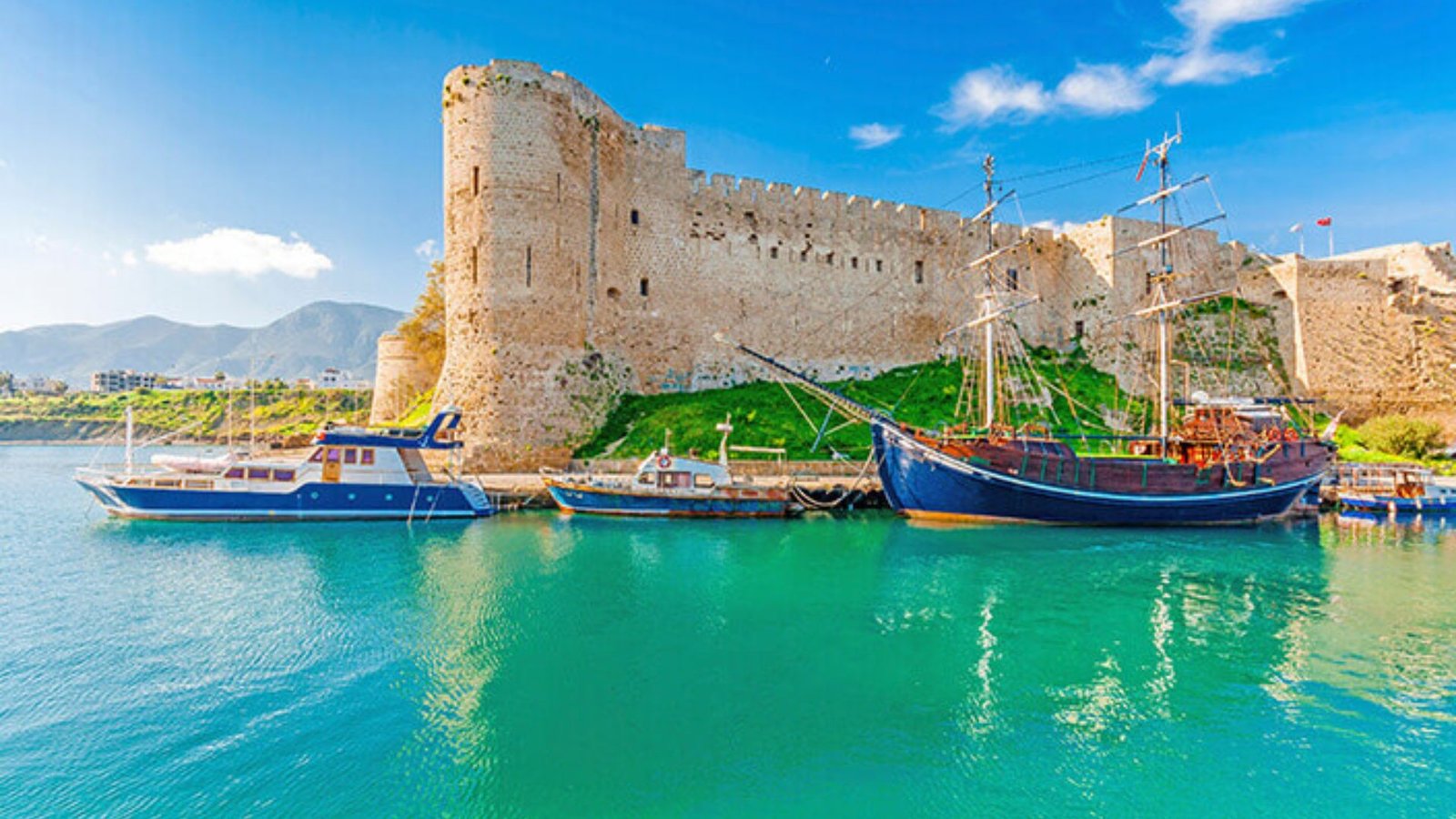
    Kyrenia Castle, found in Northern Cyprus, is another impressive example of fortresses and ruins in Cyprus. Overlooking the picturesque Kyrenia Harbour, this ancient fortress dates back to Byzantine times. The castle played a crucial role in defending the coast from invaders, and its massive walls are a testament to its strength. Inside, you’ll find a shipwreck museum, showcasing artifacts from ancient times, adding an educational twist to your visit. Don’t miss walking along the castle walls to soak in the stunning sea views.

    3. Paphos Archaeological Park: Ruins of Ancient Glory

    When it comes to fortresses and ruins in Cyprus, Paphos Archaeological Park is a treasure trove of ancient ruins. This UNESCO World Heritage site is home to remnants of grand Roman villas, stunning mosaics, and ancient fortifications. The famous Tombs of the Kings, a collection of underground tombs carved into rock, are among the highlights here. Exploring this vast park gives you a deeper understanding of Cyprus’ ancient civilizations and their impressive architectural achievements.

    4. St. Hilarion Castle: A Fairytale Fortress

    High up in the Kyrenia Mountains, St. Hilarion Castle is often considered the inspiration for Disney’s Sleeping Beauty Castle. This fortress, one of the most iconic fortresses and ruins in Cyprus, was built to protect against Arab raids. Its strategic location offers breathtaking views of the surrounding landscape, making the steep climb to the top worthwhile. As you explore the different levels of the castle, you’ll come across hidden rooms, grand halls, and ancient stairways that tell tales of medieval knights and royalty.

    5. Kourion: Ancient City by the Sea

    Kourion is one of the most significant ancient ruins in Cyprus, perched on a cliff overlooking the sea. The ancient city is known for its well-preserved Greco-Roman amphitheater, beautiful mosaics, and remnants of public baths. As you wander through the ruins, you can almost picture what life was like for the people who once lived there. This site offers both cultural and natural beauty, making it a perfect spot for history lovers and photographers alike.

    6. Famagusta Walls and Othello’s Tower

    In the eastern part of Cyprus lies the city of Famagusta, surrounded by its impressive Venetian walls. These massive stone fortifications are some of the most fascinating fortresses and ruins in Cyprus. Othello’s Tower, a key part of the city’s defenses, was named after Shakespeare’s famous play, which was set in Cyprus. Climbing the tower gives you panoramic views of the city, while exploring the ancient walls transports you back to the time of Crusaders and Venetian rulers.

    7. Limassol Castle: A Mix of Medieval and Modern

    Limassol Castle, located in the heart of Limassol, is another must-visit when exploring fortresses and ruins in Cyprus. This fortress has a long history, having served as a prison and military fort. Today, it houses the Cyprus Medieval Museum, where visitors can learn about the island’s medieval history and see artifacts from the period. The mix of old and new makes this castle a great stop for anyone wanting to learn about the island’s past.

    8. Ancient Salamis: Ruins of a Lost City

    Salamis, located near Famagusta, is one of the most impressive ancient sites on the island. Once a bustling city, today it is one of the largest ruins in Cyprus, offering visitors a glimpse into the grandeur of its past. The site includes an ancient gymnasium, a theater, and numerous temples. The scale of the ruins is overwhelming, and as you explore the area, you can feel the history come to life.

    Conclusion

    The fortresses and ruins in Cyprus are an incredible way to experience the island’s long and fascinating history. From the majestic Kolossi Castle to the sprawling ruins of Ancient Salamis, each site offers something unique. Exploring these ancient landmarks allows you to step back in time and appreciate the stories of those who came before us. Whether you’re interested in medieval fortresses or ancient ruins, Cyprus has no shortage of historical treasures waiting to be explored.

  • How to Plan a Historical Tour in Cyprus

    How to Plan a Historical Tour in Cyprus

    Planning a historical tour in Cyprus offers a unique opportunity to dive into the island’s rich and diverse past. With ancient ruins, medieval castles, and charming villages scattered throughout, Cyprus provides a remarkable journey for history enthusiasts. If you’re ready to explore this Mediterranean gem, here’s how to plan an unforgettable historical tour in Cyprus.

    1. Research Top Historical Sites

    Start with Key Landmarks

    To plan your historical tour in Cyprus, begin by identifying the must-see landmarks. The island is home to a variety of UNESCO World Heritage sites, including the Tombs of the Kings in Paphos and the stunning ancient city of Kourion. These sites offer a glimpse into Cyprus’ ancient civilizations, and they’re a great starting point for your trip.

    Explore Medieval and Byzantine History

    Cyprus’ history goes beyond antiquity. The island has numerous medieval castles, such as Kolossi Castle and St. Hilarion Castle, which date back to the Crusader era. Byzantine churches, like the famous Painted Churches in the Troodos Region, with their intricate frescoes, showcase the spiritual and artistic side of Cyprus’ history.

    2. Choose the Best Time to Visit

    Consider Weather and Crowds

    Cyprus enjoys a Mediterranean climate, making it an attractive year-round destination. However, to avoid the heat of the summer and large tourist crowds, consider planning your historical tour during the spring (March to May) or autumn (September to November). The mild temperatures during these seasons allow for comfortable sightseeing, and you’ll have a better chance to explore sites without large groups.

    Special Historical Events

    Another option is to time your visit around historical festivals or events. For instance, the Medieval Festival of Ayia Napa takes place in October, offering reenactments and performances that celebrate Cyprus’ medieval history.

    How to Plan a Historical Tour in Cyprus
    How to Plan a Historical Tour in Cyprus

    3. Plan Your Travel Route

    Focus on Regions

    Once you’ve chosen your top historical sites, it’s important to plan your travel route. Cyprus is divided into several districts, each with its own unique historical attractions. The Paphos district is famous for ancient ruins, while the Limassol and Larnaca districts offer a blend of ancient and medieval landmarks.

    Rent a Car for Flexibility

    Renting a car is the best way to explore the island’s historical sites at your own pace. Cyprus has a well-maintained road network, and driving between major cities like Nicosia, Limassol, and Paphos allows you to see the historical diversity of the island. You can also make spontaneous stops at lesser-known villages and churches along the way.

    4. Stay in Historic Accommodations

    Charming Guesthouses and Boutique Hotels

    To make your historical tour truly immersive, consider staying in a traditional guesthouse or boutique hotel located in one of Cyprus’ old towns or villages. Cities like Nicosia and Lefkara offer beautifully restored accommodations in centuries-old buildings, which allow you to experience the local culture firsthand. Not only do you get a sense of history by staying in these places, but they also offer proximity to key sites.

    Proximity to Historical Landmarks

    Choose accommodations that are close to the historical landmarks you plan to visit. For example, staying in Paphos will allow you to easily access the famous archaeological sites, while a stay in Kyrenia offers access to the northern medieval castles.

    5. Explore Local Museums

    Discover Cyprus’ Diverse History

    Museums in Cyprus are an essential part of any historical tour. The Cyprus Museum in Nicosia houses the island’s most extensive collection of artifacts, spanning from the Neolithic period to the Roman era. Additionally, the Byzantine Museum in Nicosia offers insight into religious art and architecture, while the Larnaca Archaeological Museum showcases important finds from the ancient city of Kition.

    Take Guided Tours

    Many museums and historical sites offer guided tours that can provide deeper context and understanding of Cyprus’ complex past. Opting for a guided tour is an excellent way to enhance your visit, as local experts share stories and historical details that you might miss otherwise.

    Conclusion

    Planning a historical tour in Cyprus is an exciting endeavor that allows you to explore the island’s rich cultural heritage. By researching the top landmarks, choosing the best time to visit, planning your route, and staying in historic accommodations, you can create a memorable experience. Additionally, don’t forget to visit local museums and take guided tours to deepen your knowledge of Cyprus’ past. With its blend of ancient and medieval sites, Cyprus promises an unforgettable historical journey for any traveler.