Category: Sites & Monuments

  • Top Historical Monuments to Explore in Limassol

    Top Historical Monuments to Explore in Limassol

    If you’re fascinated by history, then Limassol is the perfect place for you. The city offers a rich blend of ancient and medieval landmarks. In this article, we’ll guide you through the top historical monuments to explore in Limassol, a place where past civilizations have left their mark. From medieval castles to ancient ruins, Limassol has a lot to offer for anyone curious about its past.

    Limassol Castle: A Medieval Treasure

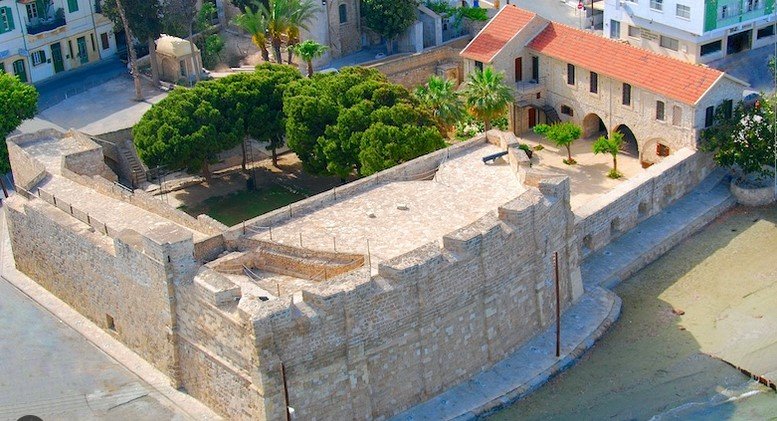
    One of the first historical monuments to explore in Limassol is the Limassol Castle. Located right in the heart of the old town, this medieval castle dates back to the 12th century and has a fascinating history. It was used by the Byzantines and the Ottomans and even served as a prison at one point. Today, it houses the Cyprus Medieval Museum, where you can see artifacts from the medieval period, including armor and pottery. The castle itself, with its thick stone walls and impressive architecture, is a monument to the city’s layered history.
    Historical Monuments to Explore in Limassol
    Historical Monuments to Explore in Limassol

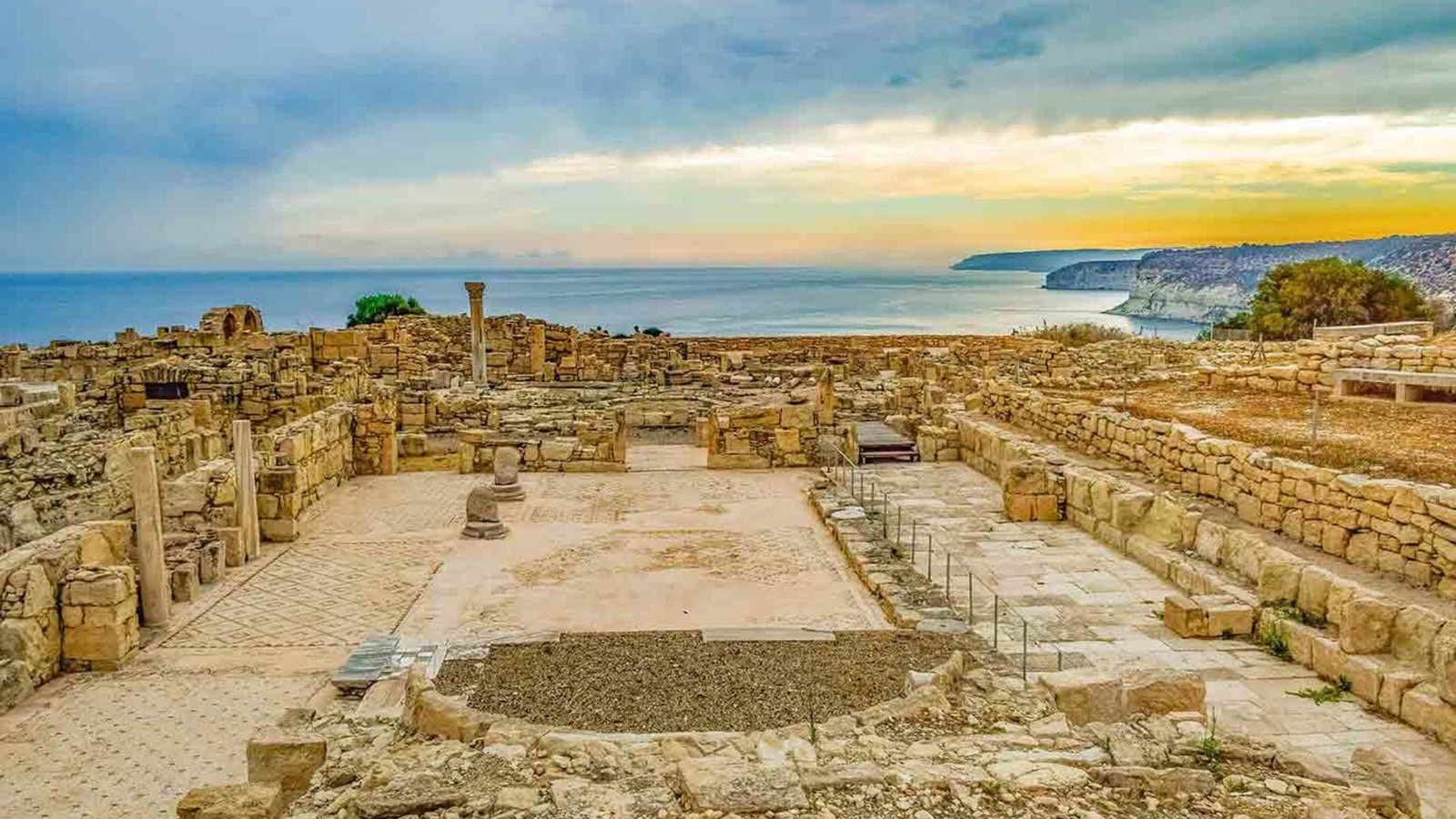
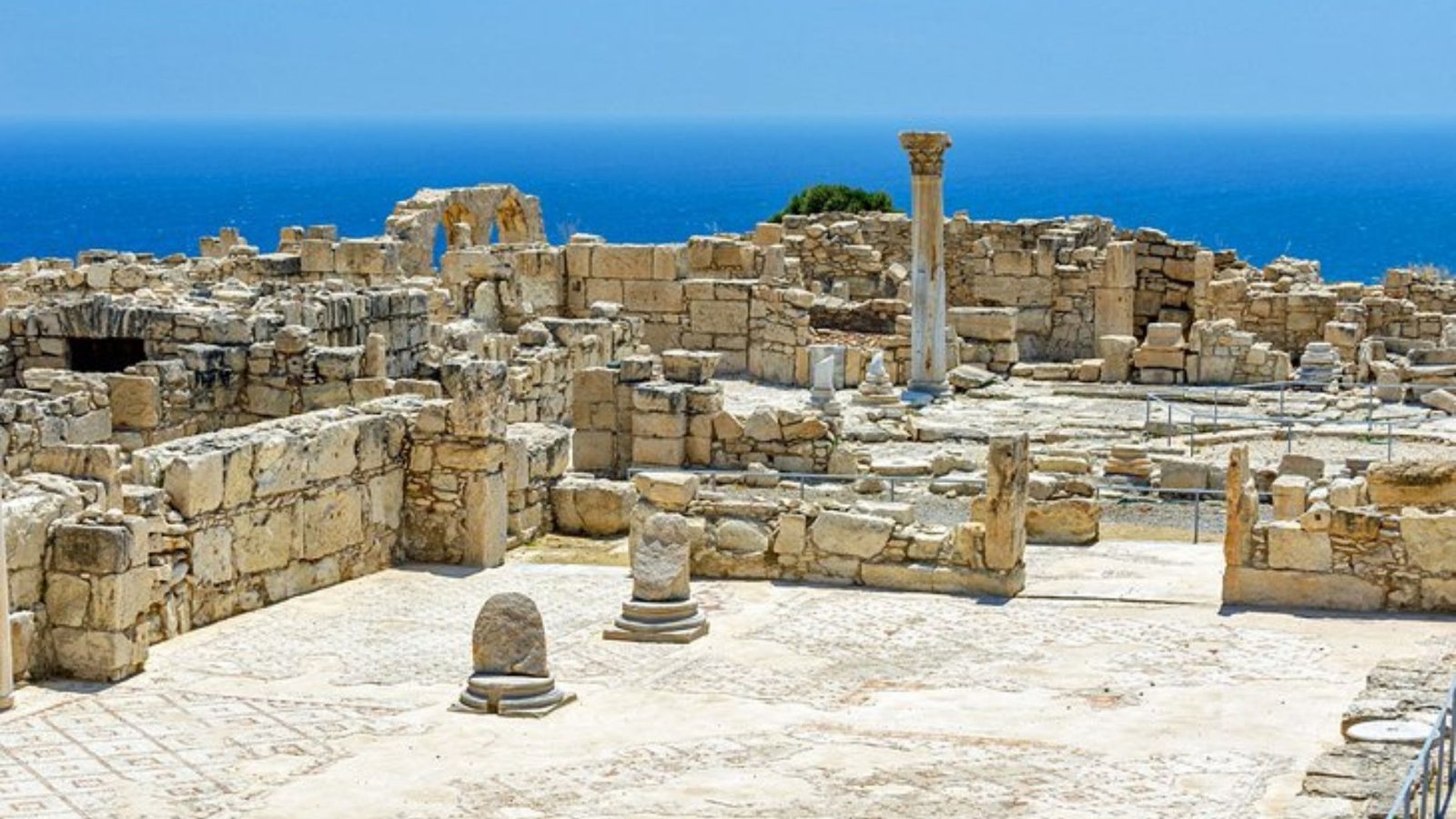
    Kourion Archaeological Site: Ancient Ruins

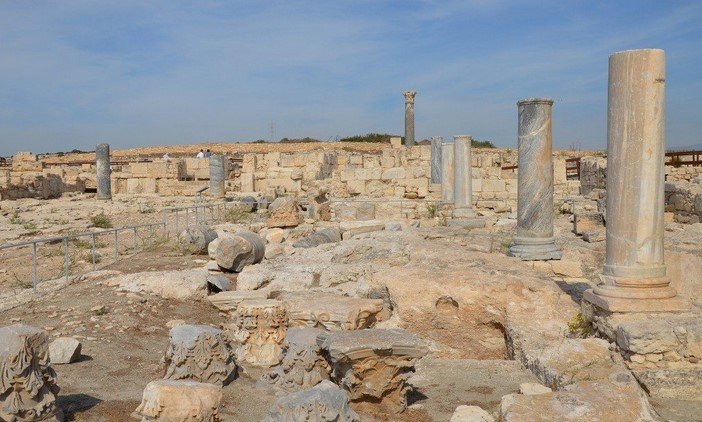
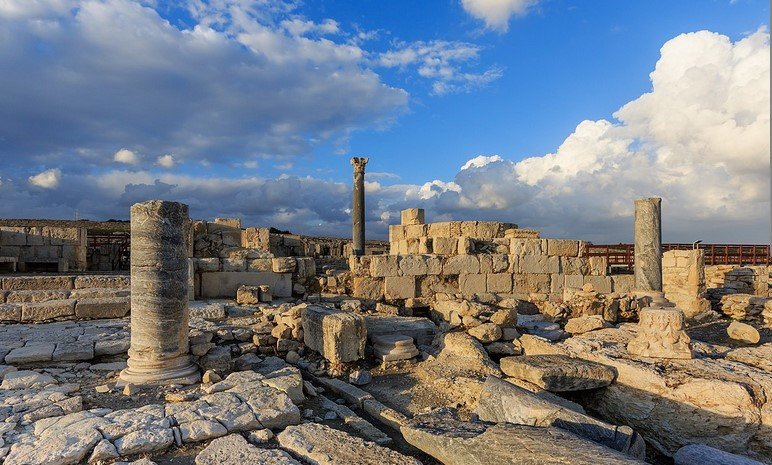
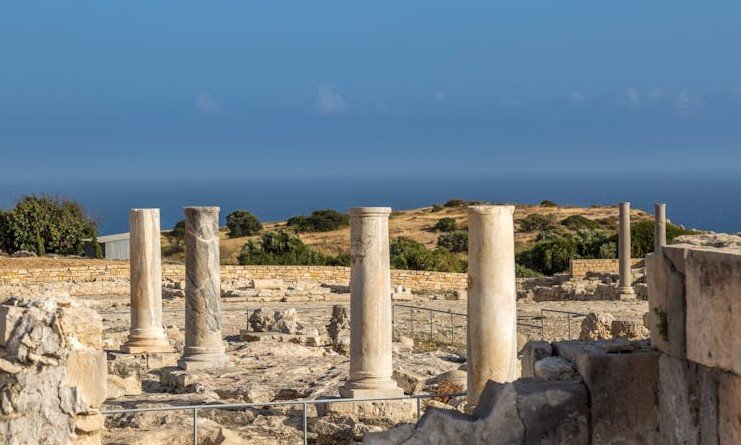
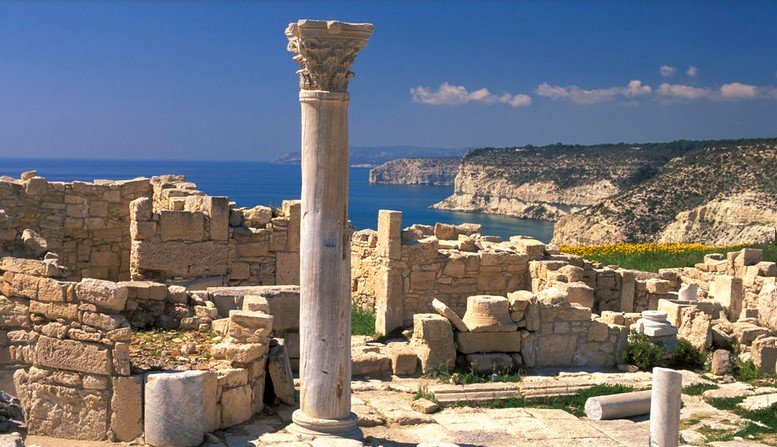
    If you’re interested in ancient history, the Kourion Archaeological Site is a must-see among the historical monuments to explore in Limassol. Located just outside the city, Kourion was once a major city in ancient Cyprus. It is now an extensive archaeological site featuring an ancient theater, Roman baths, and stunning mosaics. Walking through the ruins, you’ll get a sense of what life was like in the city thousands of years ago. The theater, in particular, still hosts performances, giving visitors a chance to experience ancient culture in a modern setting.

    Kolossi Castle: A Crusader Stronghold

    Another remarkable spot among the historical monuments to explore in Limassol is Kolossi Castle. This 15th-century fortress was originally built by the Knights of St. John during the Crusades. Although it’s a smaller castle compared to others in Cyprus, its strategic location made it important for controlling the surrounding land. The castle’s well-preserved structure offers a glimpse into the military architecture of the time.

    Amathus Ruins: Traces of an Ancient Kingdom

    No visit to Limassol would be complete without visiting the Amathus Ruins, another jewel among the historical monuments to explore in Limassol. Amathus was one of the ancient city-kingdoms of Cyprus, with a history that goes back to the Iron Age. Today, you can see the remains of the ancient city, including temples, baths, and tombs. The site is perched on a hill with a breathtaking view of the Mediterranean Sea. This historical site allows you to travel back in time and imagine the once-thriving city that existed there.

    The Sanctuary of Apollo Hylates: A Sacred Site

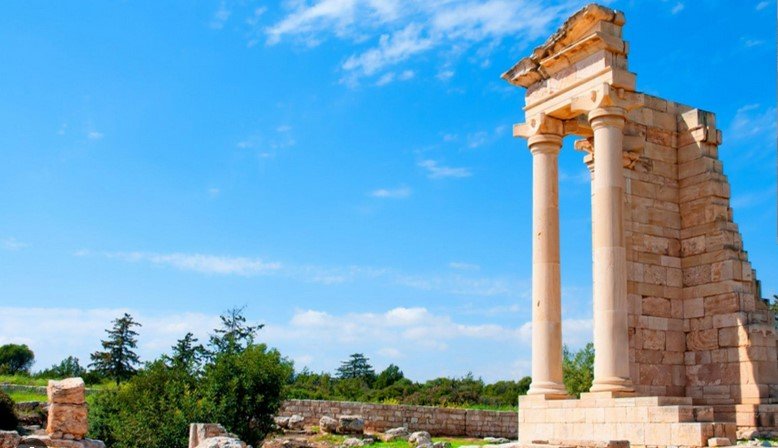
    For those interested in ancient religious practices, the Sanctuary of Apollo Hylates is another must-see among the historical monuments to explore in Limassol. Located near Kourion, this site was dedicated to Apollo, the god of forests and animals. The sanctuary was an important religious site in ancient Cyprus, and you can still see the remains of temples, altars, and other religious structures. It’s a peaceful site where you can reflect on the spiritual practices of the past while enjoying the serene landscape.

    Conclusion

    Limassol is a city where history is alive. From ancient ruins to medieval castles, the historical monuments to explore in Limassol offer a fascinating journey through time. Whether you’re passionate about ancient civilizations or more interested in medieval history, Limassol has something for everyone. Each monument tells its own story, offering a deeper understanding of the region’s past. If you’re visiting Limassol, take your time to explore these remarkable landmarks and connect with the rich history of Cyprus.
  • Tips for Visiting Cyprus’ Tombs of the Kings

    Tips for Visiting Cyprus’ Tombs of the Kings

    If you’re looking to experience a fascinating piece of ancient history, visiting Cyprus’ Tombs of the Kings is a must. Located near Paphos, this UNESCO World Heritage site offers an intriguing glimpse into the past, with its majestic underground tombs dating back to the 4th century BC. While they weren’t used by actual kings, these impressive burial sites were made for aristocrats and officials. In this article, we’ll share useful tips to ensure you have the best experience when visiting Cyprus’ Tombs of the Kings.

    Best Time to Visit Cyprus’ Tombs of the Kings

    Timing is everything when it comes to visiting Cyprus’ Tombs of the Kings. Cyprus enjoys warm weather most of the year, but summer can get incredibly hot. I recommend visiting in the cooler months between October and April, when the temperatures are milder, and you can explore the site comfortably. If you do go during the hotter months, consider arriving early in the morning or late in the afternoon to avoid the midday sun.

    Visiting Cyprus’ Tombs of the Kings
    Visiting Cyprus’ Tombs of the Kings

    How to Get There

    If you’re visiting Cyprus’ Tombs of the Kings, the site is easy to reach from Paphos. It’s only a short drive or bus ride from the city center. There are regular buses running between Paphos Harbor and the Tombs of the Kings, making public transport a convenient option. If you prefer more flexibility, renting a car is another great way to get there, and parking is usually available nearby.

    What to Expect When Visiting

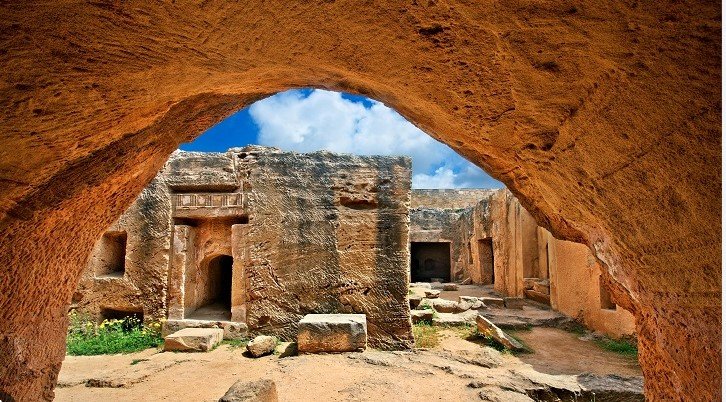
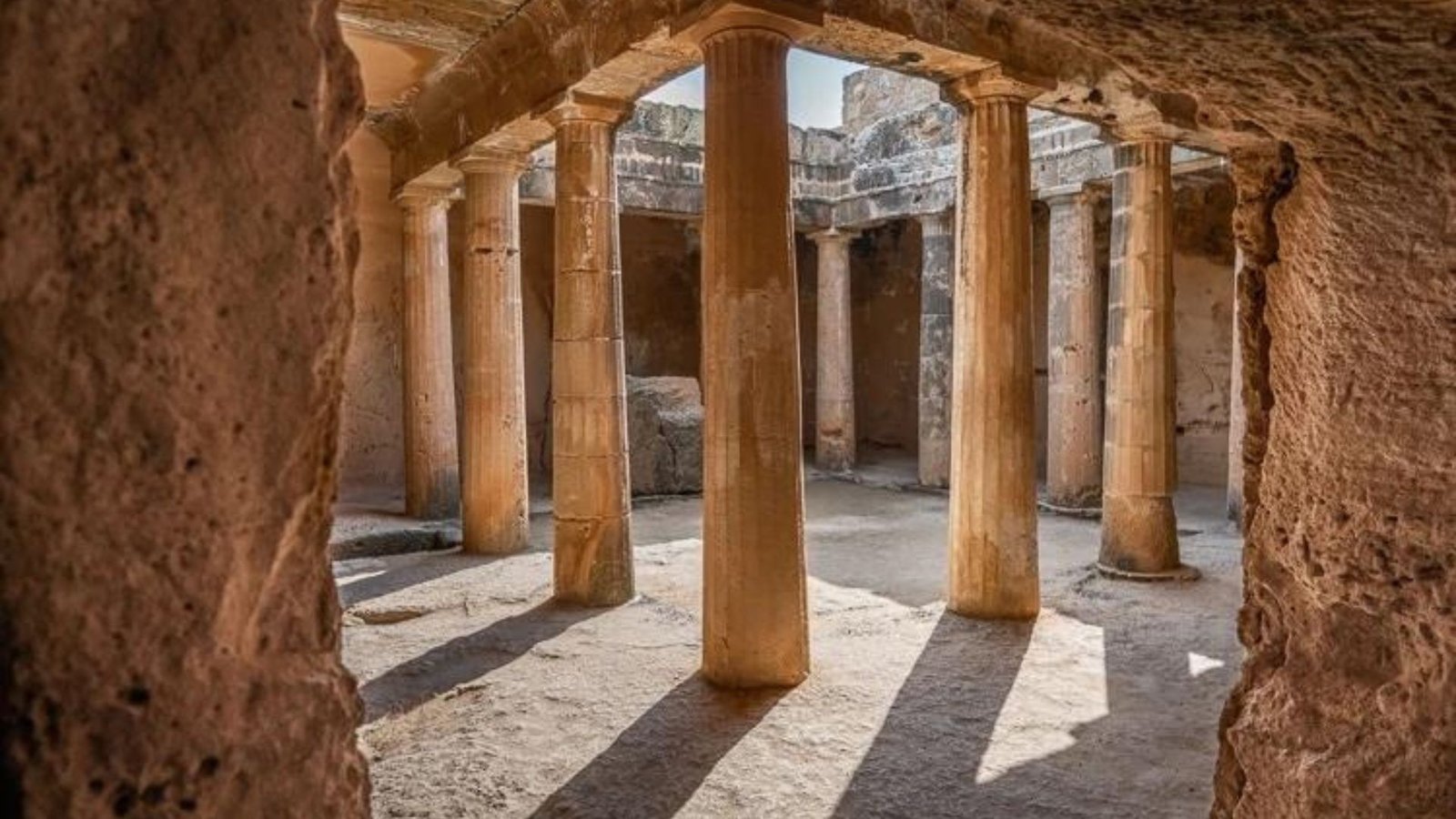
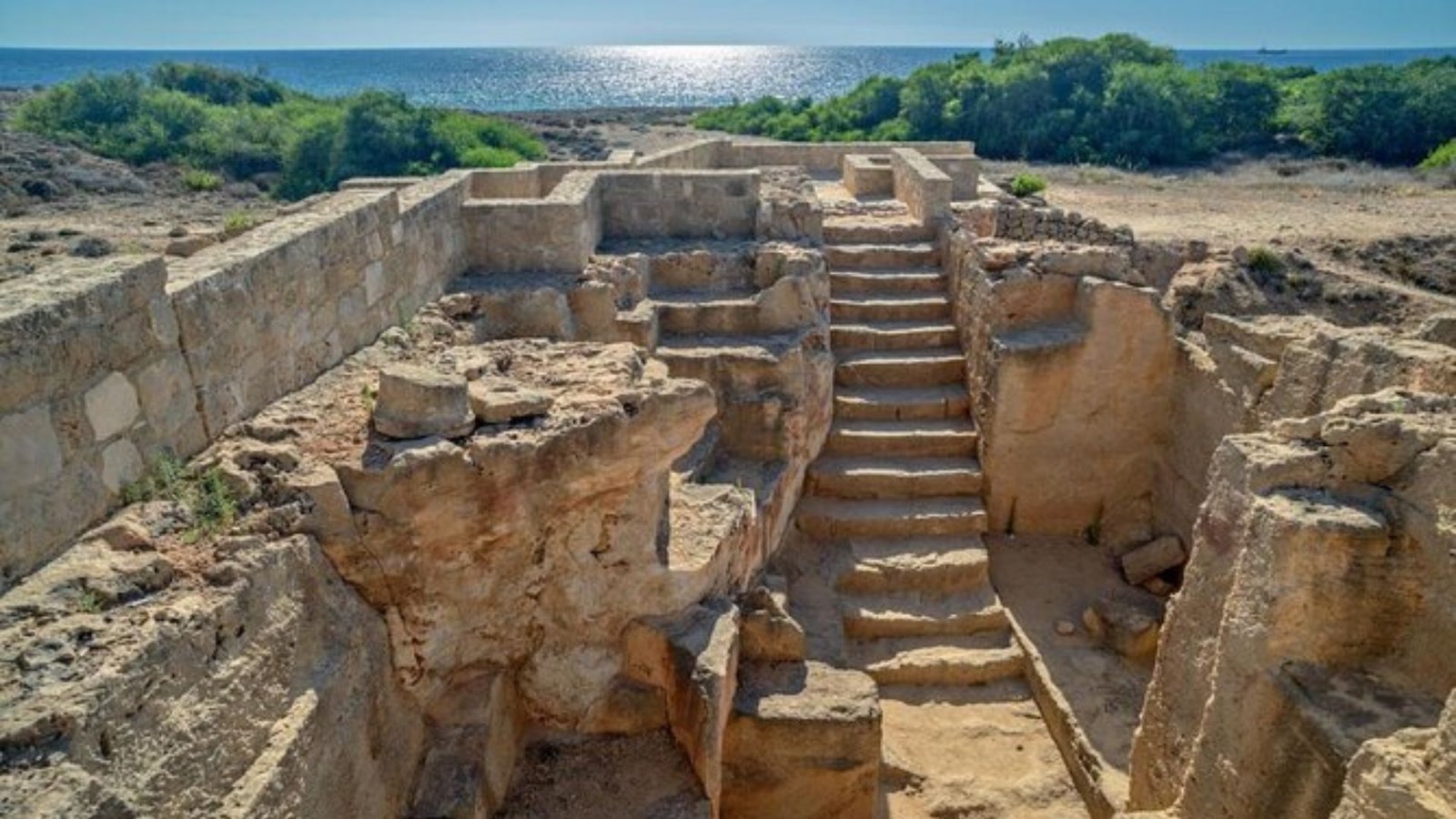
    The Tombs of the Kings is a large archaeological site, so be prepared for some walking. The tombs are carved directly into the rock, and many are built around sunken courtyards. As you explore the site, you’ll see different types of tombs, some of which are quite elaborate with Doric columns and arched ceilings. Walking around the site, you’ll get a real sense of the craftsmanship and respect that went into creating these resting places.

    What to Bring

    Before you head out to explore, there are a few essentials you’ll want to bring when visiting Cyprus’ Tombs of the Kings. First, make sure to have plenty of water with you, especially if you’re visiting during the hotter months. There’s little shade around the site, so sun protection like a hat, sunglasses, and sunscreen is important. Since you’ll be walking a lot, lightweight, breathable clothing is a good idea as well. Additionally, bring a camera or smartphone, as the tombs make for some impressive photo opportunities.

    Take Your Time Exploring

    One of the best tips for visiting Cyprus’ Tombs of the Kings is to take your time exploring. With so much history to take in, you don’t want to rush through the site. The tombs, dating back to the Hellenistic and Roman periods, showcase different architectural styles and burial customs. Spend time appreciating the details, such as the intricate carvings and the layout of the tombs.

    Respect the Historical Significance

    While visiting Cyprus’ Tombs of the Kings, it’s essential to remember that this is a site of great historical and cultural importance. These ancient tombs served as resting places for some of the island’s most influential figures, so it’s crucial to respect the area by not touching or climbing on the ruins. The preservation of these tombs allows future generations to continue enjoying this incredible piece of history.

    Other Nearby Attractions

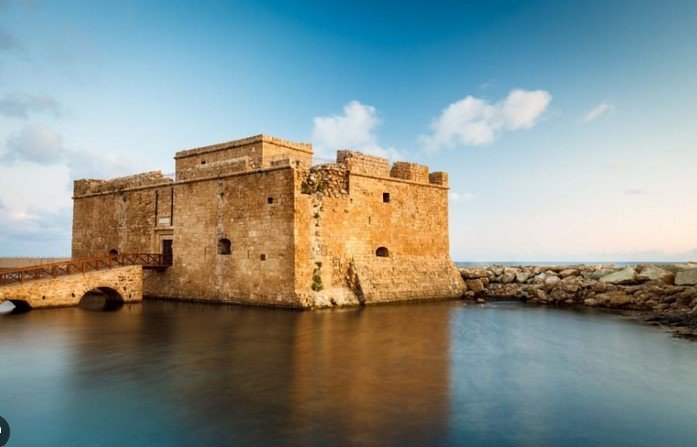
    If you’re in the area, there are plenty of other historical sites worth visiting in Paphos after you finish at the tombs. The Paphos Archaeological Park, for example, is nearby and offers a deeper dive into the region’s ancient history, with ruins, mosaics, and Roman villas. Paphos Castle is another attraction worth seeing. Combining these stops with visiting Cyprus’ Tombs of the Kings will make for a well-rounded historical experience.

    Conclusion

    In conclusion, visiting Cyprus’ Tombs of the Kings is a remarkable experience that offers insight into the island’s rich history. By planning your visit carefully, bringing the right essentials, and taking your time exploring, you can fully appreciate this extraordinary archaeological site. Whether you’re a history enthusiast or simply curious, these ancient tombs are a must-see when in Cyprus.

  • Exploring Cyprus’ UNESCO World Heritage Sites

    Exploring Cyprus’ UNESCO World Heritage Sites

    Cyprus boasts a rich tapestry of history, culture, and natural beauty, making it a treasure trove for travellers. Among its many attractions, the UNESCO World Heritage Sites stand out, showcasing the island’s unique cultural heritage and significant historical importance. This guide takes you on a journey through these remarkable sites, offering insights into their stories and significance.

    site in Cyprus
    Exploring Cyprus’ UNESCO World Heritage Sites

    Paphos: A Cultural Gem

    Paphos serves as a vital UNESCO World Heritage Site, recognized for its rich archaeological treasures. The city is home to impressive ruins that date back to the Roman period, most notably the Paphos Archaeological Park. Here, you can marvel at exquisite mosaics that depict mythological scenes, showcasing the artistry and craftsmanship of the time.

    The Tombs of the Kings, another significant site within Paphos, features impressive underground tombs carved from solid rock. While these tombs do not belong to kings, they are the final resting places of high-ranking officials and aristocrats. Exploring these ancient burial grounds provides a glimpse into the elaborate funerary practices of ancient Cyprus.

    Choirokoitia: A Neolithic Settlement

    Choirokoitia presents a unique insight into the island’s prehistoric past. This Neolithic settlement, dating back to around 7000 BC, features well-preserved circular houses constructed from stone. The site offers an extraordinary opportunity to understand the daily lives of early inhabitants of Cyprus.

    Visitors to Choirokoitia can wander through the ruins, observing the layout of the settlement and learning about the community’s agricultural practices. The historical significance of this site emphasizes the early development of civilization on the island.

    The Painted Churches of Troodos

    The Painted Churches of Troodos represent a stunning example of Byzantine art and architecture. This UNESCO World Heritage Site includes a series of small churches scattered throughout the Troodos mountain range, each adorned with exquisite frescoes and iconography.

    Among the most notable churches are Agios Nikolaos tis Stegis, known for its impressive wall paintings, and Panagia tou Araka, which features stunning frescoes depicting biblical scenes. These churches not only showcase the artistic skills of their creators but also reflect the spiritual heritage of Cyprus.

    Visitors can explore the serene mountain landscapes while appreciating the beauty of these historical treasures, making for an enriching experience.

    Khirokitia: A UNESCO Treasure

    Khirokitia offers another fascinating look into Cyprus’ ancient past. This archaeological site features the remains of a Neolithic settlement, similar to Choirokoitia. Khirokitia provides insight into the island’s early human habitation and communal living practices.

    The site contains circular houses and storage facilities, allowing visitors to imagine what life was like for its early inhabitants. Walking through the ruins evokes a sense of connection to the island’s distant past, where agriculture and community played crucial roles in survival.

    The Ancient City of Kourion

    While not officially a UNESCO World Heritage Site on its own, the Ancient City of Kourion forms part of the rich archaeological landscape that Cyprus offers. This ancient city-kingdom, perched on a cliff overlooking the Mediterranean, flourished from the 2nd century BC to the 4th century AD.

    Exploring Kourion reveals impressive structures, including a well-preserved amphitheatre and stunning mosaics within the House of Eustolios. These remnants showcase the city’s significance during its peak and offer a glimpse into the life of its inhabitants.

    Conclusion: A Journey Through History

    Exploring Cyprus’ UNESCO World Heritage Sites allows visitors to delve into the island’s diverse cultural heritage and historical significance. Each site tells a unique story, from the exquisite mosaics of Paphos to the Neolithic settlements of Choirokoitia and Khirokitia.

    As you journey through these remarkable locations, you not only witness the artistic and architectural achievements of the past but also connect with the rich history that continues to shape Cyprus today. Embrace the opportunity to discover these treasures and appreciate the island’s incredible legacy.

  • Cyprus’ Ancient Monuments: A Guide for History Lovers

    Cyprus’ Ancient Monuments: A Guide for History Lovers

    Cyprus’ ancient monuments captivate visitors with their rich history and architectural beauty. These sites showcase the island’s diverse cultural heritage, reflecting influences from various civilizations over millennia. For history lovers, exploring these ancient treasures provides a unique glimpse into the past. In this guide, we’ll uncover some of Cyprus’ most fascinating ancient monuments, each with its own story to tell.

    Cyprus’ Ancient Monuments: A Guide for History Lovers
    Cyprus’ Ancient Monuments: A Guide for History Lovers

    Kourion: A Window into Roman Life

    Kourion stands as one of the most significant archaeological sites in Cyprus. This ancient city-kingdom, located on a cliff overlooking the Mediterranean Sea, flourished from the 2nd century BC to the 4th century AD. Visitors can explore the well-preserved ruins, including the impressive amphitheater, which still hosts performances today.

    As you wander through Kourion, you’ll encounter stunning mosaics that depict scenes from mythology and daily life. The House of Eustolios, featuring exquisite floor mosaics, is a highlight for many. The breathtaking views of the coastline add to the site’s charm, making it a must-visit for any history enthusiast.

    The Tombs of the Kings: A Royal Burial Ground

    Located near Paphos, the Tombs of the Kings offers an extraordinary glimpse into ancient burial practices. This UNESCO World Heritage Site dates back to the Hellenistic period and features elaborate underground tombs carved into solid rock.

    Despite its name, this site is not the burial place of kings but rather of high-ranking officials and aristocrats. The tombs display impressive architectural features, such as columns and intricate frescoes, which showcase the artistry of the time. Walking through this solemn site allows visitors to appreciate the rich cultural and historical significance of Cyprus.

    The Sanctuary of Apollo Hylates: A Sacred Site

    The Sanctuary of Apollo Hylates near Kourion serves as a significant religious site dating back to the 8th century BC. Dedicated to Apollo, the Greek god of light and music, this sanctuary attracted worshippers from across the Mediterranean.

    Visitors can explore the remains of temples, altars, and sacred spaces that once played a vital role in religious practices. The site also offers stunning views of the surrounding landscape, enhancing the spiritual experience. The Sanctuary of Apollo Hylates provides a unique opportunity to connect with the island’s ancient religious traditions.

    Paphos Archaeological Park: A Cultural Treasure

    Paphos Archaeological Park is another UNESCO World Heritage Site that showcases some of the most remarkable ancient monuments in Cyprus. The park features a wealth of archaeological treasures, including Roman villas adorned with exquisite mosaics.

    The House of Dionysus, with its stunning mosaics depicting mythological scenes, is a highlight for many visitors. The park also includes the remains of ancient tombs, theaters, and fortifications, providing a comprehensive overview of Paphos’ rich history. Strolling through this park immerses visitors in the ancient world, allowing them to appreciate Cyprus’s historical significance.

    Choirokoitia: A Neolithic Village

    Choirokoitia offers a fascinating glimpse into prehistoric life in Cyprus. This Neolithic settlement dates back to around 7000 BC and features well-preserved circular dwellings made of stone. The site provides valuable insights into the island’s early inhabitants and their way of life.

    Visitors can explore the ruins and learn about the daily activities of the Neolithic people through informative displays. The site’s unique architecture and historical importance make it an essential stop for those interested in ancient civilizations.

    Conclusion: A Journey Through Time

    Cyprus’ historical sites invite history lovers to embark on a journey through time. Each site tells a story, revealing the island’s diverse cultural influences and historical significance. From the grandeur of Kourion to the serenity of Choirokoitia, these ancient treasures provide a captivating glimpse into the past.

    As you explore Cyprus, take the time to appreciate the rich heritage that these monuments represent. They not only serve as reminders of the island’s history but also connect us to the people and cultures that shaped Cyprus into the vibrant destination it is today.

  • Religious Sites in Cyprus You Shouldn’t Miss

    Religious Sites in Cyprus You Shouldn’t Miss

    Religious sites in Cyprus offer a glimpse into the island’s rich spiritual heritage. From ancient temples to stunning churches, these locations reflect the diverse religious history and traditions that have shaped the island. Whether you’re a history enthusiast, a spiritual seeker, or simply a curious traveler, visiting these sacred places can deepen your understanding of Cyprus’s culture. Let’s explore some must-see churches in Cyprus.

    Religious Sites in Cyprus You Shouldn't Miss
    Religious Sites in Cyprus You Shouldn’t Miss

    The Church of St. Lazarus

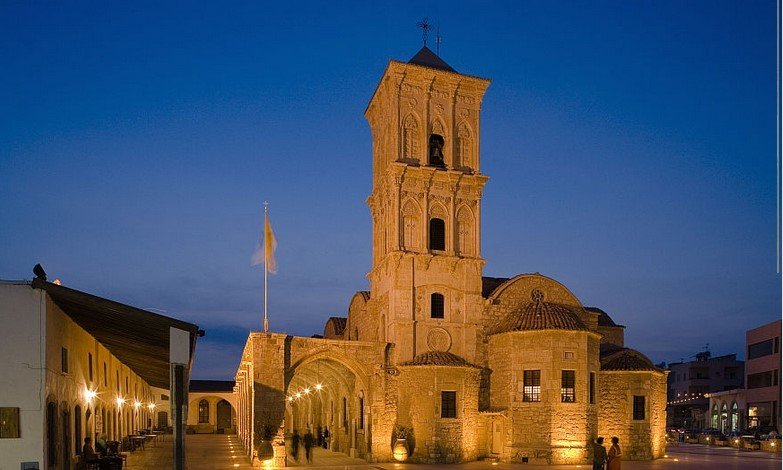
    Located in Larnaca, the Church of St. Lazarus is one of the most significant religious sites in Cyprus. Built in the 9th century, this beautiful church stands on the reputed tomb of Lazarus, who, according to the Bible, was raised from the dead by Jesus.

    The church features exquisite Byzantine architecture, adorned with stunning frescoes and intricate wooden iconostasis. Visitors can explore the church’s interior and admire the ancient artefacts, including the relic of St. Lazarus. The surrounding area, with its charming streets and lively atmosphere, makes it a perfect spot to reflect on the spiritual significance of this site.

    Kykkos Monastery

    Kykkos Monastery, situated in the Troodos Mountains, ranks among the most famous and revered monasteries in Cyprus. Founded in the 11th century, this stunning monastery is dedicated to the Virgin Mary and is known for its remarkable wealth and impressive architecture.

    Visitors can admire the vibrant frescoes and beautiful mosaics that decorate the walls. The monastery also houses a museum showcasing religious artifacts, manuscripts, and icons. The serene mountain surroundings provide a peaceful setting for reflection and contemplation. Don’t miss the chance to sample the monastery’s delicious honey and other local products available for purchase.

    Agios Neophytos Monastery

    Nestled in the hills near Paphos, Agios Neophytos Monastery offers a tranquil escape for those seeking spiritual renewal. Founded in the 12th century by the hermit Neophytos, the monastery features stunning caves carved into the rock, where the founder lived in solitude.

    The church inside the monastery showcases exquisite frescoes and a peaceful atmosphere. Visitors can wander through the peaceful grounds, taking in the beauty of the surrounding landscape. The monastery’s rich history and serene environment make it a perfect spot for quiet reflection.

    The Church of Panagia Hrysopolitissa

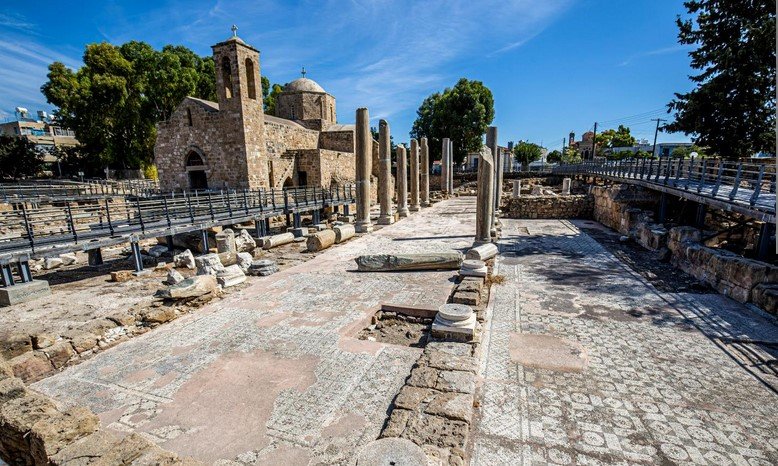
    In Paphos, the Church of Panagia Hrysopolitissa stands on the site of an ancient basilica dedicated to St. Paul. According to tradition, St. Paul visited this site during his missionary journey in the 1st century.

    The church features impressive architecture and an intricate iconostasis. Visitors can explore the archaeological remains nearby, including the stunning mosaics of the ancient basilica. The site’s historical significance and beautiful setting make it a must-visit for those interested in Cyprus’s religious heritage.

    The Monastery of St. John the Theologian

    Located in the village of Kato Drys, the Monastery of St. John the Theologian offers a unique blend of spirituality and history. Founded in the 17th century, this active monastery houses a community of monks dedicated to preserving the island’s religious traditions.

    Visitors can explore the monastery grounds, where they will find beautifully restored buildings and serene gardens. The monastery’s chapel features stunning frescoes and an atmosphere of tranquility. Attending a liturgy here can provide a deeper understanding of the monastic lifestyle and the significance of the site.

    Conclusion: Embrace the Spiritual Journey

    Exploring the religious sites in Cyprus allows you to connect with the island’s rich cultural and spiritual history. Each location tells a unique story, revealing the diverse influences that have shaped Cyprus over the centuries.

    Whether you seek spiritual solace, historical insight, or simply a chance to appreciate beautiful architecture, these religious sites offer something for everyone. As you embark on your journey through Cyprus, take time to reflect on the beauty and significance of these sacred places. They not only represent faith but also stand as monuments to the island’s enduring spirit.

  • Medieval Castles and Forts in Cyprus

    Medieval Castles and Forts in Cyprus

    Medieval castles and forts in Cyprus showcase the island’s rich history and strategic importance. Nestled between continents, Cyprus has seen many rulers and cultures, each leaving its mark on its landscape. These castles and forts stand as testimonies to a turbulent past, providing insight into the island’s military and architectural heritage. Let’s explore some of the most significant medieval fortifications in Cyprus and discover their stories.

    Medieval Castles and Forts in Cyprus
    Medieval Castles and Forts in Cyprus

    The History Behind the Castles

    Cyprus’ medieval period spans from the 12th to the 16th century, marked by the Crusades and the subsequent rule of various powers, including the French Lusignan dynasty and the Venetian Republic. During this time, the need for defense became paramount as conflicts and invasions threatened the island’s stability.

    Castles served not only as fortifications but also as administrative centres and royal residences. Each castle boasts unique architectural styles, influenced by the various cultures that governed Cyprus. As you visit these castles, you will encounter a blend of Gothic, Byzantine, and Venetian styles that reflect the island’s diverse heritage.

    Kyrenia Castle: A Coastal Marvel

    Located on the northern coast, Kyrenia Castle stands as one of the most iconic medieval castles in Cyprus. Built in the 7th century, the castle has undergone numerous renovations and expansions over the centuries. Visitors to Kyrenia Castle can explore its impressive towers, ramparts, and well-preserved halls.

    As you walk through the castle, you’ll notice the beautiful views of the harbour and the Mediterranean Sea. The castle also houses a shipwreck museum, displaying artifacts from a 4th-century shipwreck, providing a fascinating glimpse into ancient maritime trade.

    St. Hilarion Castle: A Fairy-Tale Fortress

    St. Hilarion Castle rises majestically in the mountains near Kyrenia. This stunning castle, with its picturesque towers and walls, looks like something straight out of a fairy tale. Built in the 10th century, it served as a royal residence and a military fortress.

    The castle offers breathtaking panoramic views of the surrounding landscape and the coastline. As you climb the winding paths, you’ll discover various sections of the castle, including the chapel, the kitchen, and the great hall. The legends surrounding St. Hilarion, a hermit who once lived in the area, add to the castle’s allure.

    Kolossi Castle: The Knight’s Stronghold

    Kolossi Castle stands as a remarkable example of medieval military architecture. Built in the 15th century, this well-preserved fortress was the stronghold of the Knights of St. John. Its strategic location near Limassol made it essential for defending the island against invasions.

    Visitors to Kolossi Castle can explore its imposing towers and thick stone walls. The castle’s interior features a fascinating museum that showcases the history of the Knights and their role in the region. Don’t forget to take a moment to admire the surrounding gardens, which enhance the castle’s charm.

    Larnaca Fort: A Maritime Stronghold

    Larnaca Fort, located on the southeastern coast, dates back to the Ottoman period but incorporates earlier structures from the medieval era. Originally built to protect the harbour, the fort has witnessed numerous battles and sieges throughout its history.

    Today, Larnaca Fort serves as a museum, allowing visitors to explore its history and artifacts. The fort’s coastal location provides a stunning backdrop for a leisurely stroll along the promenade, where you can enjoy the vibrant atmosphere of Larnaca.

    The Importance of Preservation

    Preserving these medieval castles and forts in Cyprus is vital for maintaining the island’s cultural heritage. Many of these sites are now protected as historical monuments, allowing future generations to learn about Cyprus’s rich history. Restoration efforts have played a significant role in maintaining the integrity of these structures, ensuring that their stories continue to inspire visitors.

    Conclusion: A Journey Through Time

    Exploring the medieval castles and forts in Cyprus offers a unique opportunity to step back in time and appreciate the island’s rich history. Each castle tells a story of resilience and power, inviting you to discover the past.

    As you wander through these magnificent structures, take a moment to reflect on the lives of those who once called them home. From Kyrenia Castle to St. Hilarion and beyond, these forts stand as lasting reminders of Cyprus’s vibrant history, waiting to be explored by adventurers and history enthusiasts alike.

  • Discover the Ruins of Ancient Kourion

    Discover the Ruins of Ancient Kourion

    Discover the ruins of Ancient Kourion, a breathtaking archaeological site that showcases the rich history and culture of Cyprus. Nestled on a cliff overlooking the Mediterranean Sea, Kourion offers a captivating journey into the past, where visitors can explore impressive structures, stunning mosaics, and remarkable views. Let’s dive into the wonders of this ancient city and discover what makes it a must-visit destination.

    Kourion ruins
    Discover the Ruins of Ancient Kourion

    A Glimpse into History

    Kourion dates back to the 2nd century BCE and thrived as a major city-state during the Hellenistic and Roman periods. This ancient city played a pivotal role in trade and culture, attracting merchants, artisans, and philosophers. As you stroll through its ruins, you’ll feel the echoes of history that still resonate today.

    Walking along the paths of Kourion, you encounter remnants of grand structures and public spaces that once buzzed with activity. The city’s strategic location not only provided a defensive advantage but also facilitated trade across the Mediterranean, making it a hub of economic and cultural exchange.

    Explore the Amphitheater

    One of the most iconic features of Kourion is its well-preserved amphitheatre, which dates back to the 2nd century CE. With a seating capacity of around 3,500, this ancient theatre hosted various performances, including plays, musical concerts, and even gladiatorial contests. Today, the amphitheatre continues to be a venue for cultural events, allowing visitors to experience the magic of live performances in a historical setting.

    As you take your seat and gaze at the stunning views of the surrounding landscape, you can almost hear the applause of ancient audiences. The amphitheatre’s remarkable acoustics enhance the experience, allowing sounds to carry beautifully across the space. Imagine attending a show here under the stars, surrounded by the beauty of Kourion!

    Marvel at the Mosaics

    Another highlight of Kourion is the exquisite mosaics that adorn the floors of several ancient villas. These intricate works of art depict various scenes from mythology and everyday life, showcasing the talent and creativity of the ancient artisans. The House of Eustolios, in particular, stands out with its vibrant mosaics, including images of gods, animals, and nature.

    As you walk through the ruins, take a moment to admire the craftsmanship that has withstood the test of time. The colorful tiles and detailed designs offer a glimpse into the lives of the wealthy inhabitants who once called Kourion home. These mosaics not only serve as beautiful decorations but also tell stories of the past, connecting us to the cultural heritage of Cyprus.

    Visit the Sanctuary of Apollo Hylates

    Kourion ruins also houses the Sanctuary of Apollo Hylates, an important religious site dedicated to the god Apollo. This sanctuary played a significant role in the spiritual life of the ancient Cypriots, attracting pilgrims from across the region. The ruins of the sanctuary include temples, altars, and other structures, offering insight into the religious practices of the time.

    Exploring the sanctuary, you can sense the spiritual energy that once filled the air. The site’s tranquil atmosphere invites reflection, allowing you to connect with the ancient beliefs and rituals that shaped the lives of the people who worshipped here.

    Enjoy the Scenic Views

    One of the most striking aspects of Kourion is its breathtaking location. Perched on a hilltop, the ruins offer panoramic views of the Mediterranean Sea and the surrounding landscape. As you explore the site, take a moment to pause and soak in the beauty of nature that surrounds you.

    The stunning vistas provide a perfect backdrop for photographs and memories. Imagine standing on the edge of the cliff, with the azure waters stretching out before you, while the wind whispers tales of ancient times. This picturesque setting makes Kourion not only a historical gem but also a haven for nature lovers and photographers alike.

    Conclusion: A Journey Through Time

    Discover the ruins of Ancient Kourion, and immerse yourself in the history and beauty of this remarkable archaeological site. From the grandeur of the amphitheatre to the intricate mosaics, Kourion offers a unique glimpse into the past. Whether you are a history buff or simply seeking an unforgettable experience, Kourion promises to enchant and inspire.

    As you wander through its ruins and marvel at the ancient artistry, you become part of a timeless story that connects you to the vibrant history of Cyprus. Make sure to add Kourion to your travel itinerary and experience the magic of this ancient city for yourself!

  • Cyprus’ Most Iconic Archaeological Sites

    Cyprus’ Most Iconic Archaeological Sites

    Cyprus, a jewel in the Mediterranean, boasts a wealth of archaeological sites that offer a glimpse into its rich and diverse history. These iconic locations showcase the island’s ancient civilizations, cultural influences, and remarkable artefacts. Whether you are an archaeology enthusiast or simply curious about the past, Cyprus’ archaeological sites promise to fascinate and educate.

    Cyprus’ Most Iconic Archaeological Sites
    Cyprus’ Most Iconic Archaeological Sites

    Kourion: The Ancient City of Marvels

    Kourion stands out as one of Cyprus’ most significant archaeological sites. Located on a cliff overlooking the Mediterranean Sea, Kourion dates back to the 2nd century BCE and served as a major city-state. Visitors to Kourion can explore the well-preserved ruins, including a stunning amphitheater that continues to host performances, providing a unique opportunity to experience history in action.

    As you walk through the ancient city, take a moment to admire the intricate mosaics adorning the floors of various villas. The House of Eustolios features beautiful mosaics depicting scenes from mythology and everyday life, offering insight into the lives of the wealthy elite. Kourion serves as a testament to the architectural prowess and cultural richness of ancient Cyprus.

    Paphos Archaeological Park: A UNESCO World Heritage Site

    The Paphos Archaeological Park, designated as a UNESCO World Heritage Site, encompasses a treasure trove of ancient history. Within this park lies the famous Tomb of the Kings, a complex of impressive underground tombs dating back to the 4th century BCE. These tombs, carved out of solid rock, were once the final resting place for high-ranking officials.

    One of the highlights of the park is the collection of stunning mosaics found in the Roman villas. These mosaics depict vibrant scenes from mythology, showcasing the artistic talent of the ancient Cypriots. Walking through the park, you will feel the echoes of history and appreciate the cultural significance of this remarkable site.

    The Temple of Aphrodite: A Sacred Site of Worship

    Located near the ancient city of Palaepaphos, the Temple of Aphrodite stands as a significant archaeological site dedicated to the goddess of love and beauty. This temple dates back to the 12th century BCE and served as a major religious center in antiquity.

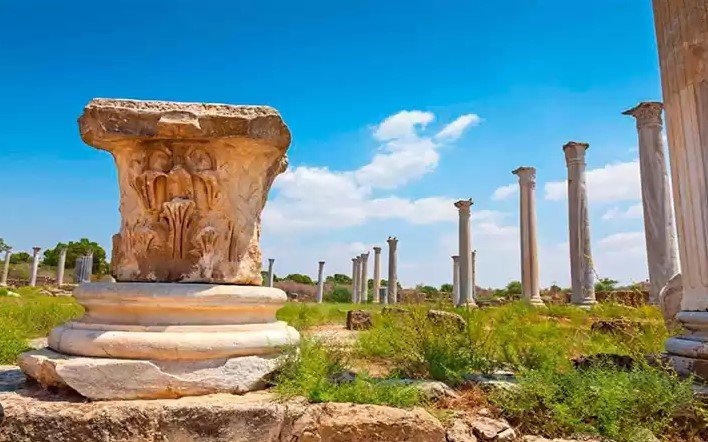
    As you explore the ruins, you can envision the rituals and ceremonies that took place here, attracting worshippers from across the Mediterranean. The site features remnants of the temple’s architecture, including columns and altars, highlighting the importance of religion in ancient Cypriot society. The Temple of Aphrodite symbolizes the island’s deep-rooted cultural and spiritual heritage.

    Choirokoitia: A Neolithic Settlement

    Choirokoitia offers a fascinating glimpse into the prehistoric era of Cyprus. This Neolithic settlement, dating back to around 7000 BCE, is one of the best-preserved sites of its kind in the Eastern Mediterranean. The site showcases circular stone houses and defensive walls that illustrate the advanced architectural skills of its early inhabitants.

    Walking through Choirokoitia, you can feel the connection to the island’s ancient past. The settlement provides valuable insights into the daily lives of its inhabitants, including their agricultural practices and social organization. UNESCO recognizes Choirokoitia as a World Heritage Site, further highlighting its importance in understanding human history.

    The Roman Theatre of Kourion: A Testament to Performance

    The Roman Theatre of Kourion is another highlight of this ancient city. This impressive amphitheatre, built in the 2nd century CE, could seat around 3,500 spectators. It served as a venue for various performances, including theatrical plays and musical concerts, showcasing the cultural vibrancy of ancient Kourion.

    Today, visitors can attend performances in this magnificent setting, allowing them to experience the thrill of live theatre in a historical context. The theatre’s acoustics and breathtaking views of the Mediterranean add to its allure, making it a must-visit site for anyone exploring Cyprus.

    Conclusion: Embracing Cyprus’ Rich Heritage

    Cyprus’ iconic archaeological sites invite you to explore the island’s diverse history and cultural heritage. From the ancient city of Kourion to the sacred Temple of Aphrodite, each site tells a story that connects the past with the present. As you wander through these remarkable locations, you will gain a deeper appreciation for the rich tapestry of civilizations that have shaped Cyprus over the millennia.

  • Cultural Monuments Telling Cyprus’ Story

    Cultural Monuments Telling Cyprus’ Story

    Cyprus, a gem in the Mediterranean, showcases a rich tapestry of cultures and histories through its cultural monuments. These structures stand as silent witnesses to the island’s journey, reflecting its influences from various civilizations over the centuries. From ancient ruins to medieval castles, each monument tells a unique story, inviting visitors to delve deeper into the island’s vibrant heritage.

    cultural site in Cyprus
    Cultural Monuments Telling Cyprus’ Story

    Ancient Kourion: A Glimpse into the Past

    The ancient city of Kourion stands proudly on a cliff overlooking the Mediterranean Sea. This archaeological site dates back to the 2nd century BCE and was a significant city-state during its time. Kourion features well-preserved ruins, including a stunning amphitheatre that still hosts performances today, allowing visitors to experience history in an engaging way.

    As you wander through Kourion, marvel at the intricate mosaics that depict scenes from mythology and daily life. The House of Eustolios, with its stunning floor mosaics, offers a glimpse into the luxurious lifestyles of the ancient elite. Kourion not only showcases the architectural prowess of the time but also illustrates the cultural blend that characterized Cyprus, influenced by Greek, Roman, and Byzantine civilizations.

    St. Hilarion Castle: A Medieval Fortress

    Perched high in the mountains, St. Hilarion Castle offers breathtaking views of the surrounding landscape. This medieval fortress, built during the 10th century, served as a royal palace and a defensive stronghold. The castle’s strategic location highlights its importance in protecting the region during the Crusades.

    As you explore the castle’s ruins, you can envision the royal life once lived within its walls. The castle’s design, with its narrow corridors and towering walls, reflects the military architecture of the period. Additionally, the castle’s chapel and other structures reveal the blend of secular and religious life during medieval times, showcasing Cyprus’ complex history.

    The Byzantine Churches of Troodos: Spiritual Heritage

    The Byzantine churches scattered throughout the Troodos Mountains represent Cyprus’ spiritual heritage and artistic achievements. Many of these churches, such as Panagia Asinou and Archangelos Michael, date back to the 12th century and feature stunning frescoes that illustrate biblical stories and saints.

    Visiting these churches, you will appreciate the intricate craftsmanship and vibrant colours that adorn their walls. The frescoes not only served a decorative purpose but also functioned as educational tools for the faithful. These monuments stand as a testament to the island’s deep-rooted Christian traditions and the artistry of Byzantine craftsmen, making them essential stops for any cultural exploration of Cyprus.

    Paphos Archaeological Park: A World Heritage Site

    Designated as a UNESCO World Heritage Site, the Paphos Archaeological Park encompasses a wealth of historical treasures. This site features ancient villas, Roman amphitheatres, and the stunning Tomb of the Kings, a complex of underground tombs dating back to the 4th century BCE.

    The highlight of the park is undoubtedly its intricate mosaics, which depict various mythological scenes and daily life. The attention to detail and vibrant colours in these mosaics provide a fascinating insight into the artistic skills of the ancient Cypriots. Paphos serves as a vital link to understanding the cultural evolution of Cyprus through the centuries, blending Greek and Roman influences with local traditions.

    The Ledra Street Buffer Zone: A Symbol of Division and Hope

    The Ledra Street Buffer Zone in Nicosia stands as a poignant reminder of Cyprus’ recent history. Once a bustling commercial street, it became divided after the Turkish invasion in 1974. Today, the buffer zone serves as a symbol of the island’s ongoing efforts toward reconciliation.

    Visitors can walk through the checkpoint and experience the stark contrast between the two sides of the city. The remnants of buildings and abandoned shops tell the story of a vibrant community disrupted by conflict. Efforts to revitalize Ledra Street reflect the hope for unity and healing, making it a significant cultural monument in understanding contemporary Cyprus.

    Conclusion: Discovering Cyprus Through Its Monuments

    Cyprus’ cultural monuments narrate the island’s diverse history, showcasing influences from various civilizations. Each site, from ancient ruins to medieval castles, contributes to a broader understanding of the island’s identity. By exploring these monuments, visitors gain insights into the rich tapestry of stories that define Cyprus, making it a must-visit destination for history enthusiasts and cultural explorers alike.

  • Hidden Historical Sites in Cyprus Worth Visiting

    Hidden Historical Sites in Cyprus Worth Visiting

    Cyprus brims with history, yet some of its most fascinating sites remain off the beaten path. Beyond the popular tourist attractions, hidden gems offer deeper insight into the island’s complex past. These lesser-known historical sites provide unique experiences that bring Cyprus’ diverse heritage to life.

    Hidden Historical Sites in Cyprus Worth Visiting
    Hidden Historical Sites in Cyprus Worth Visiting

    Ancient Amathus: A Forgotten City by the Sea

    The ancient city of Amathus lies along the southern coast near Limassol. This ancient city dates back to the Iron Age and once served as a powerful kingdom. Unlike the more famous ruins like Kourion, Amathus remains relatively quiet, allowing visitors to explore its history in peace.

    Wander through the ruins of the Temple of Aphrodite, where locals once worshipped the goddess of love, or marvel at the remains of the agora and bathhouses that served the bustling population centuries ago. Amathus offers a window into Cyprus’ pre-Greek past, blending mythology with everyday life. Additionally, its cliffside location provides stunning views of the Mediterranean.

    Choirokoitia: A Neolithic Settlement

    For those seeking an even older slice of history, Choirokoitia awaits. This Neolithic site, located between Larnaca and Limassol, inhabited around 7,000 BCE, stands as one of the earliest known human settlements on the island. Despite its age, Choirokoitia remains a hidden gem often overlooked by visitors.

    Walking through this UNESCO World Heritage Site, you can see the foundations of round houses and learn about the island’s first agricultural communities. The site showcases the ingenuity of ancient people who developed sophisticated structures and agricultural techniques. A visit here offers a glimpse into how Cyprus’ earliest inhabitants lived, thousands of years before the rise of powerful empires.

    Panagia tou Araka: A Byzantine Treasure

    Cyprus boasts many famous churches, but Panagia tou Araka stands out for its beautiful Byzantine frescoes and its location in the Troodos Mountains. This small, unassuming church, built in the 12th century, hides some of the most well-preserved Byzantine frescoes in the Eastern Mediterranean.

    Tucked away in the village of Lagoudera, Panagia tou Araka often bypasses tourists. However, stepping inside, you will find vibrant frescoes depicting religious scenes in exquisite detail. The church itself, a simple stone structure, offers an intimate setting for exploring Cyprus’ rich religious history. For those interested in Byzantine art, this hidden gem is well worth the detour.

    Kalavasos-Tenta: Another Glimpse into the Neolithic Era

    Close to Choirokoitia, Kalavasos-Tenta presents another lesser-known Neolithic site. While not as famous, this settlement offers another chance to explore the island’s ancient history. Dating back to 7,000 BCE, Kalavasos-Tenta features the remains of circular homes similar to those found at Choirokoitia.

    The site’s key attraction is its large shelter that covers the excavation, allowing visitors to wander through the ruins while protected from the elements. The surrounding landscape, with rolling hills and proximity to the Vasilikos River, creates a peaceful backdrop for reflecting on the island’s ancient past. Despite its historical importance, Kalavasos-Tenta remains under the radar, making it perfect for history buffs looking for a quieter experience.

    Famagusta’s Forgotten Ghost Town: Varosha

    One of the most poignant historical sites in Cyprus is Varosha, the ghost town in Famagusta. Once a thriving tourist destination in the 1960s and 1970s, Varosha was abandoned during the 1974 Turkish invasion. Since then, it has remained frozen in time, serving as a haunting reminder of the island’s divided history.

    Though visitors could not enter for decades, Varosha recently opened up for limited tours. Wandering through the abandoned streets, you will see hotels, homes, and shops left exactly as they were in 1974. This powerful, emotional experience offers a stark reminder of the island’s ongoing political challenges. While not a typical historical site, Varosha’s eerie silence speaks volumes about Cyprus’ recent history.

    Kato Lefkara: A Village Stuck in Time

    While Lefkara is famous for its lace and silverwork, the lower part of the village, Kato Lefkara, often gets overlooked. This hidden corner retains its traditional charm, featuring narrow stone streets and beautifully preserved architecture. Visiting Kato Lefkara feels like stepping back in time, with its untouched homes and tranquil atmosphere.

    Kato Lefkara also houses some hidden historical gems, including the Church of the Holy Cross, which dates back to the 14th century. The village offers an authentic Cypriot experience, away from the more touristy upper Lefkara, making it a perfect spot for those looking to immerse themselves in local culture and history.

    Conclusion: Discover Cyprus’ Hidden History

    While Cyprus is famous for its iconic historical landmarks, the island’s hidden historical sites offer a unique and quieter glimpse into its past. From ancient cities and Neolithic settlements to abandoned towns and forgotten villages, these lesser-known sites reveal Cyprus’ rich and diverse history. Visiting these hidden gems not only provides a deeper understanding of the island but also allows for a more personal and peaceful exploration of its cultural heritage.