Category: Traditional Villages

  • How to Interact with Locals in Cypriot Villages

    How to Interact with Locals in Cypriot Villages

    Exploring the traditional villages of Cyprus offers a unique cultural experience, and interacting with locals can enrich your visit even more. The warm and welcoming nature of the Cypriot people makes it easy to engage with them, but understanding a few customs and social practices can help you make the most of your interactions. Whether you’re chatting over a cup of coffee or asking for directions, here’s a guide on how to interact with locals in Cypriot villages.

    1. Learn a Few Greek Phrases

    Start with Simple Greetings

    Although many Cypriots speak English, especially in tourist areas, learning a few basic Greek phrases can go a long way in connecting with locals in the villages. Simple phrases like “Kalimera” (Good morning) and “Efharisto” (Thank you) are always appreciated and show respect for the local language.

    Common Phrases to Know

    Some helpful phrases include:

    • Kalispera – Good evening
    • Parakalo – Please or you’re welcome
    • Pos ise? – How are you?

    Using these words shows effort and interest in the local culture, making your interactions more genuine.

    2. Embrace the Slow Pace of Life

    Take Your Time

    Life in Cypriot villages moves at a slower pace compared to the bustling cities. When you interact with locals, don’t rush. Whether you’re sharing a conversation over a meal or chatting in a café, be patient and take the time to listen. Cypriots value meaningful, relaxed conversations.

    Enjoy a Coffee or Meal Together

    It’s common for locals to invite you for a cup of traditional coffee or even a meal. Accepting such an invitation is a great way to bond with villagers. Meals in Cyprus are often long and leisurely, giving you plenty of time to chat, ask questions, and learn about their way of life.
    How to Interact with Locals in Cypriot Villages
    How to Interact with Locals in Cypriot Villages

    3. Show Respect for Tradition

    Observe Local Customs

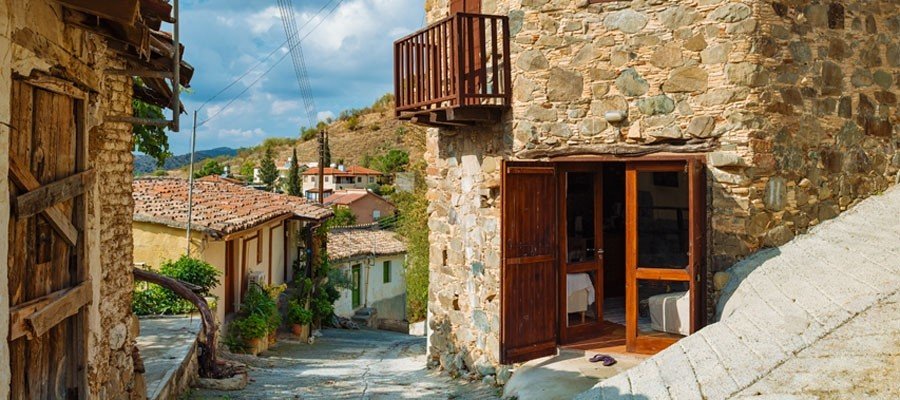
    Cypriot villages are steeped in tradition, and showing respect for these customs will make your interactions smoother. For example, if you visit a church or attend a local festival, dressing modestly and behaving respectfully is essential. Additionally, it’s important to be mindful when taking photographs—always ask permission if you’re capturing locals, especially during personal or sacred moments.

    Participate in Village Events

    Village festivals, markets, and religious celebrations are excellent opportunities to interact with locals. By participating in these events, you’ll show your interest in their traditions, and locals are often happy to explain the significance of the activities. Engaging in these events offers a deeper connection to the community.

    4. Ask About Local Life

    Show Genuine Interest

    One of the best ways to interact with locals is by showing a sincere interest in their daily lives and traditions. Ask questions about local history, family life, or how certain foods are prepared. Cypriots are proud of their heritage and enjoy sharing stories about their villages, especially with curious visitors.

    Respect Boundaries

    While Cypriots are known for their hospitality, it’s important to respect personal boundaries. Avoid asking overly personal questions, and be mindful of cultural differences. By being courteous and observant, you’ll have more meaningful conversations and build trust with the people you meet.

    5. Offer Compliments and Appreciation

    Appreciate Local Craftsmanship

    Many traditional Cypriot villages are known for their handicrafts, such as lace-making, pottery, and basket weaving. When you visit shops or meet artisans, offering a genuine compliment about their work can open up conversations. The same goes for local cuisine—expressing your appreciation for the food and hospitality will be warmly received.

    Compliment the Scenery and Atmosphere

    Cyprus is known for its stunning landscapes, and many villagers take great pride in the beauty of their surroundings. Commenting on the picturesque scenery, the cleanliness of the village, or the charm of their homes is another way to engage positively with locals.

    Conclusion

    Interacting with locals in Cypriot villages is a rewarding experience that can deepen your connection to the island and its culture. By learning a few Greek phrases, embracing the relaxed pace of life, showing respect for traditions, and expressing genuine interest in their daily lives, you’ll foster meaningful conversations and relationships. Remember, Cypriots are warm and welcoming by nature, and your efforts to engage will be appreciated. Whether you’re enjoying a coffee with a new friend or participating in a village festival, these tips will help you make the most of your interactions with the wonderful people of Cyprus.
  • Festivals Celebrated in Traditional Villages of Cyprus

    Festivals Celebrated in Traditional Villages of Cyprus

    Cyprus is not only known for its beautiful beaches and rich history but also for its vibrant and culturally rich festivals. The traditional villages of Cyprus host numerous festivals throughout the year, celebrating local heritage, music, and delicious food. Whether you’re a local or a visitor, attending these festivals offers a unique glimpse into the island’s traditional life. Here’s a look at some of the best festivals celebrated in traditional Cypriot villages.

    1. The Wine Festival in Omodos

    A Celebration of Cypriot Wine

    One of the most famous festivals celebrated in the traditional villages of Cyprus is the Wine Festival held in Omodos. This festival honors the island’s winemaking traditions, which date back over 4,000 years. Omodos, nestled in the Troodos Mountains, is the perfect setting for this event, where visitors can enjoy free wine tastings, participate in grape stomping, and learn about the wine production process.

    Enjoy Music, Dance, and Food

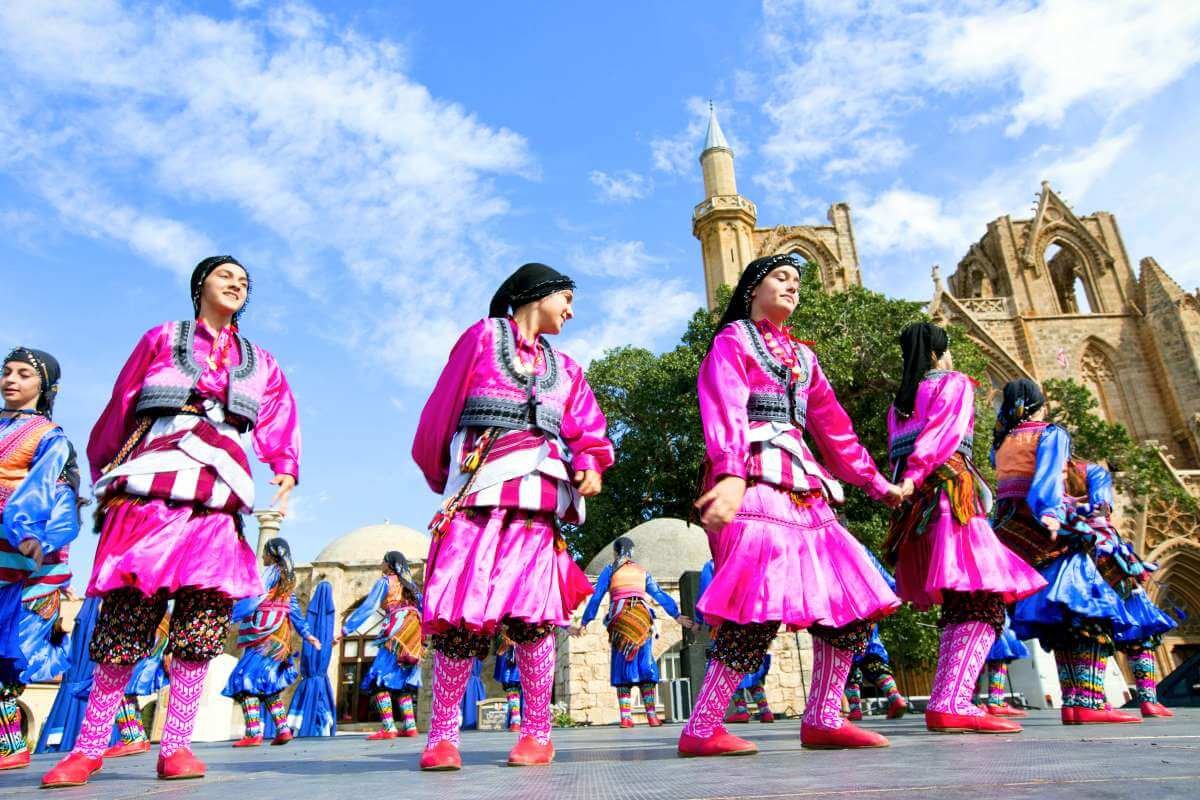
    In addition to wine, the festival offers a feast of Cypriot food, including grilled meats and traditional sweets. Visitors are also treated to live folk music and traditional dances, creating a lively and festive atmosphere. This is the perfect way to immerse yourself in Cypriot culture while indulging in some of the best wine the island has to offer.

    Festivals Celebrated in Traditional Villages of Cyprus
    Festivals Celebrated in Traditional Villages of Cyprus

    2. Kataklysmos (Festival of the Flood) in Larnaca

    A Unique Water-Based Celebration

    Kataklysmos, or the Festival of the Flood, is a unique celebration that takes place in Larnaca and other coastal areas of Cyprus, but it’s also observed in smaller villages. Celebrated 50 days after Easter, Kataklysmos has both religious and cultural significance, with its roots in both Christianity and ancient Greek mythology. The festival includes water-based activities, with people splashing each other in the streets, symbolizing purification and rebirth.

    Fun for All Ages

    Traditional Cypriot music, games, and local markets are all part of the festivities. In the villages, you can enjoy boat races, folk dancing, and even poetry contests. This event brings together people of all ages for days of fun and cultural activities, making it one of the most cherished festivals in Cyprus.

    3. The Anthestiria Flower Festival in Paphos

    A Blooming Tribute to Spring

    The Anthestiria Flower Festival is another major event celebrated in several traditional villages in Cyprus, especially in Paphos. This festival, which takes place in May, celebrates the arrival of spring and the beauty of flowers. Rooted in ancient Greek traditions, Anthestiria honors the rebirth of nature, with vibrant parades featuring elaborate flower displays, floats, and participants dressed in colorful costumes.

    A Feast for the Senses

    Visitors can enjoy flower markets, exhibitions, and outdoor performances, all set against the picturesque backdrop of traditional Cypriot villages. The streets are lined with stalls offering local delicacies, handicrafts, and floral arrangements. This is a feast for the eyes and a wonderful way to celebrate the beauty of nature.

    4. Limassol Carnival

    A Colorful Celebration of Tradition

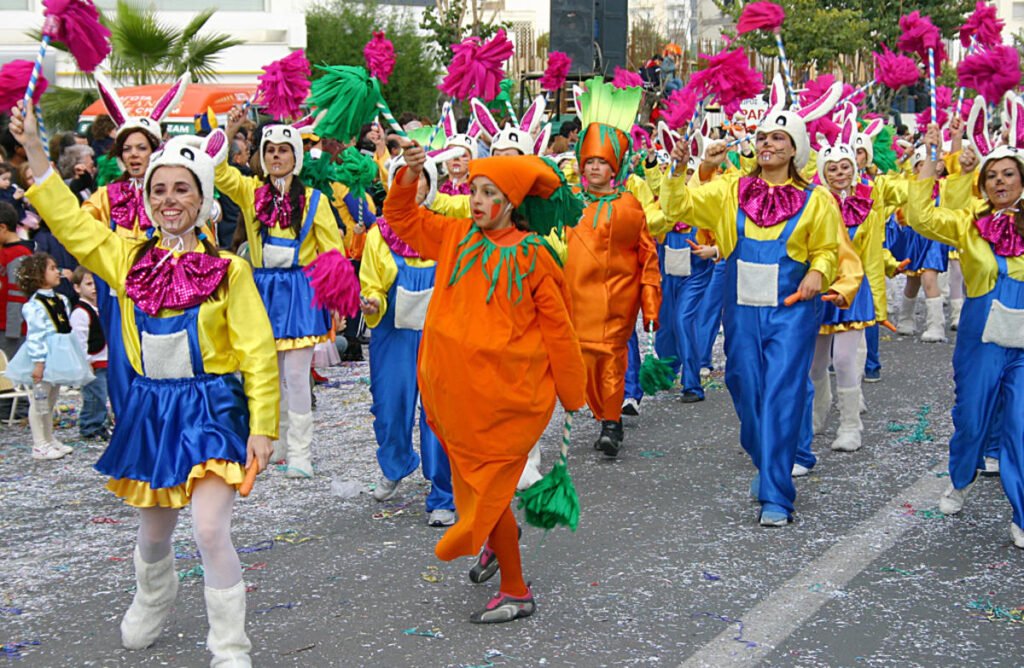
    The Limassol Carnival is one of the largest and most colorful festivals in Cyprus, with roots dating back more than a century. While the main celebrations take place in the city, smaller villages also participate in the festivities. For 10 days before Lent, the streets come alive with parades, costume contests, and plenty of music and dancing.

    Join the Festivities

    Traditional villages like Agros and Kakopetria host smaller versions of the carnival, where locals and visitors alike don costumes and join in the revelry. It’s an excellent opportunity to see Cypriot traditions come to life and enjoy the festive spirit that sweeps across the island.

    5. The Almond Blossom Festival in Limnatis

    A Seasonal Delight

    In the village of Limnatis, the Almond Blossom Festival is celebrated every February, marking the blossoming of the almond trees. This picturesque event showcases the beauty of the countryside in early spring and offers a chance to taste almond-based treats, such as soujoukos and pasteli.

    Enjoy the Local Flavors

    The festival includes guided walks through almond orchards, traditional music performances, and, of course, plenty of food. Almond-based pastries and Cypriot dishes are served in abundance, making it a must-visit for food lovers and nature enthusiasts alike.

    Conclusion

    Festivals celebrated in the traditional villages of Cyprus offer a rich and colorful insight into the island’s cultural and historical heritage. From wine festivals and flower parades to water celebrations and carnivals, these events reflect the unique character of Cypriot life. Whether you’re enjoying a glass of local wine in Omodos or dancing at the Limassol Carnival, you’ll find that these village festivals are full of joy, community, and tradition. So, the next time you’re in Cyprus, make sure to visit during one of these festive periods to fully experience the island’s rich cultural tapestry.

  • How to Taste Traditional Cypriot Cuisine in Villages

    How to Taste Traditional Cypriot Cuisine in Villages

    Cyprus is renowned for its rich culinary traditions, influenced by a blend of Mediterranean flavors and local ingredients. If you want to dive deep into the heart of Cypriot culture, tasting traditional cuisine in the villages is an experience you shouldn’t miss. Here’s how to fully enjoy the flavors of Cyprus.

    1. Visit Local Taverns and Restaurants

    Discover Authentic Flavors

    The first step to tasting traditional Cypriot cuisine is to seek out local taverns and restaurants. Unlike touristy spots, these hidden gems often serve authentic dishes made with locally sourced ingredients. As you enter, the warm ambiance and friendly locals will immediately make you feel at home.

    Ask for the Daily Specials

    When dining at a local tavern, don’t hesitate to ask about the daily specials. Many restaurants feature seasonal dishes that reflect what’s fresh and available. For example, you might find kleftiko—a slow-cooked lamb dish that melts in your mouth. This dish, often accompanied by potatoes and a fresh salad, is a must-try when exploring traditional Cypriot flavors.

    How to Taste Traditional Cypriot Cuisine in Villages
    How to Taste Traditional Cypriot Cuisine in Villages

    2. Participate in Food Festivals

    Experience the Vibrancy of Cypriot Culture

    Food festivals are a fantastic way to immerse yourself in Cypriot culinary traditions. Events like the Festa de la Pita or the Cyprus Wine Festival showcase local produce, traditional dishes, and wines. At these festivals, you can sample various foods while enjoying live music and dance performances, which truly captures the spirit of Cypriot hospitality.

    Savor Local Delicacies

    During food festivals, make sure to taste traditional dishes like halloumi cheese, sheftalia (grilled sausage), and moussaka. Each bite tells a story of the island’s history and culture, making your culinary journey even more enriching. You might even get a chance to participate in cooking demonstrations, where you can learn how to prepare these dishes yourself!

    3. Take a Cooking Class

    Learn from the Locals

    What better way to appreciate traditional Cypriot cuisine than by learning to cook it yourself? Many villages offer cooking classes where local chefs teach you how to prepare classic dishes. These classes not only provide hands-on experience but also allow you to interact with locals, sharing stories and techniques that have been passed down through generations.

    Embrace the Culinary Process

    During a cooking class, you’ll often start by visiting local markets to choose fresh ingredients. This experience is invaluable as it connects you with the local food culture. After gathering your ingredients, you’ll learn how to create dishes like kleftiko, souvlaki, and tzatziki, gaining insight into the flavors and cooking methods unique to Cypriot cuisine.

    4. Explore Village Markets

    A Feast for the Senses

    Visiting local markets is another excellent way to taste traditional Cypriot cuisine. The vibrant colors, aromas, and sounds of a village market provide a sensory experience unlike any other. You’ll find a variety of fresh produce, local cheeses, olives, and traditional pastries.

    Sample Local Treats

    As you wander through the stalls, don’t miss the chance to sample local delicacies. Many vendors offer free tastings, so you can try items like loukoum (a sweet confection) and baklava. These sweet treats are a perfect ending to any meal and will give you a deeper appreciation for Cypriot desserts.

    5. Join a Food Tour

    Discover Hidden Culinary Gems

    If you want to maximize your culinary exploration, consider joining a food tour. These guided experiences take you through various villages, allowing you to taste traditional dishes at multiple locations. Not only will you sample different foods, but you’ll also learn about their cultural significance.

    Meet Local Producers

    Food tours often include visits to local farms and producers, where you can see how traditional products like olive oil and wine are made. This behind-the-scenes look adds an extra layer of appreciation to the meals you enjoy later. Plus, meeting the people behind the food creates a meaningful connection to the culinary heritage of Cyprus.

    Conclusion

    Tasting traditional Cypriot cuisine in the villages is a delightful adventure that engages all your senses. From dining in local taverns to participating in food festivals, each experience offers a unique glimpse into the island’s rich culinary culture. By exploring local markets, taking cooking classes, and joining food tours, you’ll not only savor delicious dishes but also forge connections with the heart and soul of Cyprus. So, grab your fork and immerse yourself in the vibrant flavors of traditional Cypriot cuisine!

  • Best Historical Sites in Traditional Villages of Cyprus

    Best Historical Sites in Traditional Villages of Cyprus

    Cyprus, with its rich tapestry of history and culture, is home to some of the most captivating traditional villages. These villages are not only picturesque but also serve as guardians of the island’s historical legacy. In this article, we’ll explore the best historical sites in traditional villages of Cyprus that every traveller should visit.

    1. Lofou Village

    A Step Back in Time

    Lofou is a charming village that boasts a unique blend of history and culture. The narrow, winding streets and traditional stone houses evoke a sense of nostalgia. Among its historical sites, the Church of St. George stands out. This 19th-century church features beautiful frescoes and a striking bell tower, making it a must-visit for history enthusiasts.

    Exploring Local Heritage

    In addition to the church, Lofou is home to several restored buildings that reflect the village’s architectural heritage. As you stroll through the village, keep an eye out for the traditional wine presses and old olive oil mills that dot the landscape. These sites give visitors a glimpse into the agricultural practices of the past.

    2. Omodos Village

    A Hub of Tradition

    Omodos is another gem among Cypriot villages, renowned for its wine production and rich history. The village is famous for the Monastery of the Holy Cross, a significant religious site dating back to the 12th century. This monastery is not only an architectural marvel but also holds great spiritual importance for the local community.

    Wandering Through History

    While in Omodos, make sure to explore the narrow streets filled with traditional shops and cafes. Here, you can find beautifully crafted lace, pottery, and, of course, local wines. The village’s historic square is a great place to relax and soak in the atmosphere while enjoying a glass of wine from one of the local vineyards.

    Best Historical Sites in Traditional Villages of Cyprus
    Best Historical Sites in Traditional Villages of Cyprus

    3. Kakopetria Village

    Nature Meets History

    Nestled in the Troodos Mountains, Kakopetria offers a stunning backdrop for history lovers. This village features the Church of Agios Nikolaos with its exquisite wooden ceiling and ancient frescoes, dating back to the 14th century. The church is part of the UNESCO World Heritage site that recognizes its historical and artistic value.

    A Walk Through Time

    Kakopetria’s cobblestone streets are lined with traditional houses that have been lovingly preserved. Take a leisurely walk along the Kakopetria River, where you can spot remnants of old water mills and bridges. These structures not only add to the village’s charm but also tell stories of the past.

    4. Fikardou Village

    A Preserved Treasure

    Fikardou is a lesser-known village that offers a unique glimpse into traditional Cypriot life. Recognized as a UNESCO World Heritage site, the village features well-preserved houses that date back to the 18th century. Walking through Fikardou is like stepping into a living museum.

    Historical Insights

    Don’t miss the House of the Church in Fikardou, which serves as a cultural center. This building showcases artifacts and exhibits that highlight the village’s history and heritage. Additionally, the village’s tranquil atmosphere makes it an ideal spot for reflection and exploration.

    5. Agros Village

    A Blend of Nature and Culture

    Agros is known for its beautiful landscapes and vibrant floral production, but it is also home to historical sites worth visiting. The Church of St. George is a notable site, featuring stunning frescoes that reflect the village’s religious heritage. This church, built in the Byzantine style, stands as a testament to Agros’s rich spiritual history.

    Experience Local Traditions

    While in Agros, make sure to explore the local rosewater distilleries. The village is famous for its rose water production, and visiting a distillery allows you to learn about the traditional methods still used today. Engaging with local artisans provides insight into the village’s customs and traditions.

    Conclusion

    The best historical sites in the traditional villages of Cyprus offer a rich tapestry of culture, heritage, and stunning architecture. From the charming streets of Lofou to the tranquil beauty of Agros, each village presents a unique story waiting to be discovered. By exploring these sites, you not only gain a deeper understanding of Cyprus’s history but also immerse yourself in the vibrant traditions that define the island. So, pack your bags and set off on an adventure through the historical heart of Cyprus!

  • Best Crafts to Discover in Cypriot Villages

    Best Crafts to Discover in Cypriot Villages

    Cyprus is not only famous for its stunning landscapes and rich history but also for its vibrant artisanal traditions. In the charming villages scattered across the island, you can discover a wealth of crafts that reflect the culture and creativity of the Cypriot people. Whether you’re a craft enthusiast or a curious traveler, this guide will introduce you to the best crafts to explore in Cypriot villages.

    1. Traditional Pottery

    A Craft Steeped in History

    Pottery is one of the most iconic crafts you’ll find in Cypriot villages. This ancient art form has been practiced on the island for centuries, and each piece tells a story of its own. Many artisans use techniques passed down through generations, creating beautiful pottery that showcases traditional designs.

    Where to Experience Pottery Making

    To truly appreciate this craft, visit villages like Lofou and Kakopetria. In Lofou, you can watch artisans at work and even try your hand at making your own pottery. Don’t forget to explore local shops where you can purchase unique, handcrafted pieces to take home as souvenirs.

    Best Crafts to Discover in Cypriot Villages
    Best Crafts to Discover in Cypriot Villages

    2. Lace-Making

    Intricate Designs and Techniques

    Another fascinating craft you can discover is lace-making, known locally as “kopanisti.” This delicate art involves intricate needlework that produces stunning lace patterns. Traditionally, lace-making has been a woman’s craft, with many families in villages like Kato Drys preserving this beautiful tradition.

    Learning from the Masters

    Visiting a local lace-making workshop is a great way to learn more about this craft. Here, you can see how artisans meticulously create lace by hand, often incorporating traditional motifs inspired by nature. Participating in a lace-making class will not only enhance your skills but also deepen your appreciation for this intricate art form.

    3. Wood Carving

    Artistry in Wood

    Cyprus is home to skilled woodcarvers who create stunning pieces that reflect the island’s heritage. From beautifully carved furniture to intricate religious icons, wood carving is a craft that showcases both artistry and craftsmanship.

    Explore the Wood Carving Villages

    In villages such as Paphos and Foinikaria, you can find workshops and galleries dedicated to wood carving. Many artisans invite visitors to observe their techniques, and some even offer workshops where you can try your hand at carving. This experience is not only rewarding but also gives you insight into the craftsmanship that goes into each piece.

    4. Weaving

    Fabrics That Tell a Story

    Weaving is another traditional craft worth exploring in Cypriot villages. Using traditional looms, artisans create beautiful textiles, often adorned with vibrant colors and intricate patterns. These fabrics are not just practical; they often tell stories of the village’s history and culture.

    Hands-On Weaving Experiences

    To witness this craft firsthand, visit villages like Arakapas or Kyperounda. Here, you can watch weavers at work and even participate in the process. Many workshops allow you to create your own small textile piece, providing a unique souvenir that you made yourself!

    5. Icon Painting

    A Spiritual Art Form

    Icon painting is a revered craft in Cyprus, rooted in the island’s Christian heritage. Artists use traditional methods to create religious icons, often on wood, that are used in churches and homes alike. Each icon is not only a work of art but also a spiritual representation.

    Discover the Art of Icon Painting

    To learn more about this sacred craft, visit the village of Kakopetria. Here, you can find workshops where skilled icon painters share their techniques. Engaging in a workshop gives you the chance to understand the symbolism and significance behind each brushstroke, creating a deeper connection to the art form.

    Conclusion

    Exploring the best crafts in Cypriot villages offers a unique insight into the island’s rich cultural heritage. From traditional pottery and lace-making to wood carving, weaving, and icon painting, each craft tells a story of its own. As you immerse yourself in these artisanal traditions, you not only appreciate the skills of local artisans but also take home a piece of Cyprus’s vibrant culture. So, whether you’re picking up a new hobby or seeking unique souvenirs, the crafts of Cyprus promise to enrich your travel experience!

  • How to Capture Stunning Photos in Cypriot Villages

    How to Capture Stunning Photos in Cypriot Villages

    Cyprus is a treasure trove of picturesque villages, each brimming with charm and character. If you’re an avid photographer or just someone who loves to capture moments, you’ll find plenty of opportunities to take stunning photos in these traditional settings. In this guide, we’ll explore how to make the most of your photography experience in Cypriot villages, offering tips to help you capture the beauty of this enchanting island.

    1. Choose the Right Time of Day

    Golden Hour Magic

    The first step to capturing stunning photos is to choose the right time of day. The golden hour, which occurs shortly after sunrise and before sunset, provides the perfect lighting for photography. During this time, the sun casts a warm, soft glow that enhances the colors and textures of your surroundings.

    Avoid Harsh Midday Light

    Conversely, try to avoid photographing during the harsh midday sun. The bright light can create unflattering shadows and wash out colors. Instead, plan your outings during early morning or late afternoon for the best lighting conditions. This simple adjustment can significantly elevate the quality of your photographs.

    2. Explore Different Angles

    Get Creative with Perspectives

    When photographing the quaint streets and stunning landscapes of Cypriot villages, don’t be afraid to experiment with different angles. Instead of always shooting from eye level, consider crouching down or finding higher ground. For example, capturing the iconic stone houses from a low angle can create a sense of grandeur, while shooting from above can provide an interesting perspective on the layout of the village.

    Focus on Details

    Additionally, pay attention to the intricate details that make Cypriot villages unique. Whether it’s a beautifully decorated door, vibrant flowers, or traditional pottery, capturing these elements can add depth to your photo collection. Close-up shots often reveal the soul of a place, so don’t hesitate to zoom in on those charming details.

    How to Capture Stunning Photos in Cypriot Villages
    How to Capture Stunning Photos in Cypriot Villages

    3. Utilize Natural Light

    Harness Natural Elements

    Utilizing natural light is crucial for taking stunning photos. The warm, natural light of Cyprus can enhance the beauty of your subjects. Try to position your subjects so that they are well-lit, and watch how shadows play across the scene.

    Use Reflections to Your Advantage

    Moreover, don’t overlook the potential of reflections. Puddles after a rain, shiny surfaces, or even windows can create captivating reflections that add another layer to your photos. Capturing these reflections can lead to creative compositions that are both striking and unique.

    4. Include Local Life

    Capture Daily Activities

    To truly showcase the essence of Cypriot villages, include elements of local life in your photographs. Spend some time observing daily activities, such as farmers tending to their crops or families gathering in the town square. These candid moments often convey the spirit of the community and tell a compelling story through your images.

    Engage with Locals

    Additionally, don’t hesitate to engage with locals. Asking for permission to photograph them can result in beautiful portraits that reflect their character and culture. Plus, interacting with residents can lead to unexpected opportunities for storytelling through your lens.

    5. Post-Processing Tips

    Enhance Your Photos

    After your photography session, spend some time enhancing your images in post-processing. Simple adjustments to brightness, contrast, and saturation can make a significant difference. Consider using editing software or apps to enhance colors and correct any imperfections.

    Stay True to Reality

    While editing is important, try to stay true to the authentic beauty of the villages. Aim for a natural look that reflects the true colors and atmosphere of the location. Over-editing can detract from the genuine charm of your photos, so find a balance that enhances rather than overshadows your original captures.

    Conclusion

    Capturing stunning photos in Cypriot villages is an enjoyable and rewarding experience. By choosing the right time of day, exploring various angles, utilizing natural light, including local life, and enhancing your images in post-processing, you can create a captivating visual narrative of your travels. So grab your camera, embrace your creativity, and set out to discover the beauty of Cyprus through your lens. Each photo you take will be a cherished memory of your journey in this enchanting island!

  • Best Accommodations in Traditional Cypriot Villages

    Best Accommodations in Traditional Cypriot Villages

    When visiting Cyprus, one of the most enriching experiences is staying in traditional Cypriot villages. These accommodations not only offer a cosy retreat but also provide a unique glimpse into local culture and hospitality. From charming guesthouses to restored stone cottages, you’ll find a variety of options that reflect the island’s heritage. Let’s explore some of the best accommodations in traditional Cypriot villages.

    1. Guesthouses: A Home Away from Home

    Authentic Experience

    Staying at a guesthouse in a traditional Cypriot village can be an unforgettable experience. These establishments often occupy restored buildings that showcase the island’s architectural charm. For example, Kato Drys is known for its rustic guesthouses that blend modern amenities with traditional design. You can enjoy home-cooked meals prepared by friendly hosts who are eager to share their knowledge about local customs and attractions.

    Personalized Attention

    Guesthouses typically offer personalized service, ensuring you feel right at home. Many hosts will go the extra mile to recommend local sites and dining options. Additionally, you might get to join in on family meals, where you can savor authentic Cypriot dishes while engaging in lively conversations. This creates a warm atmosphere that makes your stay truly special.

    Best Accommodations in Traditional Cypriot Villages
    Best Accommodations in Traditional Cypriot Villages

    2. Boutique Hotels: Luxury Meets Tradition

    Charming Decor

    For those seeking a touch of luxury, boutique hotels in traditional villages provide the perfect blend of comfort and culture. Places like Lofou Village feature beautifully designed hotels that maintain the essence of Cypriot heritage. With elegant furnishings and charming details, these hotels create a welcoming environment where you can relax after a day of exploring.

    Amenities and Services

    Boutique hotels often offer modern amenities such as spas, swimming pools, and gourmet dining. For example, the Apostolou Andreas Hotel in the village of Kalopanayiotis combines modern comforts with stunning mountain views. After enjoying a day of hiking or exploring local sites, you can unwind in the hotel’s serene atmosphere, making it a perfect base for your adventures.

    3. Traditional Stone Houses: Immerse in History

    Unique Architecture

    One of the best ways to experience Cypriot culture is by staying in a traditional stone house. These accommodations often feature distinctive architecture that reflects the island’s history. For instance, Platres offers beautifully restored stone houses where you can experience authentic village life. Imagine waking up to the sound of roosters crowing and the smell of fresh bread baking in the oven.

    Self-Catering Options

    Many traditional stone houses come with self-catering facilities, allowing you to prepare your meals using fresh, local ingredients. This can be a delightful way to immerse yourself in local culture. You can visit nearby markets to pick up fresh produce, cheeses, and meats, giving you the chance to create your Cypriot feast.

    4. Eco-Friendly Accommodations: Sustainable Stays

    Green Initiatives

    As travellers become more environmentally conscious, eco-friendly accommodations in traditional Cypriot villages have gained popularity. These places focus on sustainable practices while preserving the natural beauty of the area. The Kampanopetra Eco Village is a prime example, offering eco-lodges designed with sustainable materials.

    Connecting with Nature

    Staying in eco-friendly accommodations allows you to connect with nature while minimizing your environmental impact. Enjoy activities such as hiking, cycling, or simply soaking in the beauty of your surroundings. Many eco-lodges also provide guided tours that focus on the local ecosystem, enhancing your understanding of the unique flora and fauna of Cyprus.

    5. Village Stays: Engage with the Community

    Local Interactions

    Opting for a village stay often means immersing yourself in the local community. Many families open their homes to travellers, offering a unique perspective on Cypriot life. In villages like Kyperounda, you might stay with a family that can share stories about their daily lives, traditions, and local history.

    Cultural Exchange

    These accommodations often facilitate cultural exchanges, allowing you to engage with locals in a meaningful way. You might join them for traditional coffee or learn how to make local dishes. Such interactions not only enhance your experience but also create lasting memories and friendships.

    Conclusion

    Staying in traditional Cypriot villages offers a remarkable opportunity to experience the island’s rich culture and history. Whether you choose a cosy guesthouse, a luxurious boutique hotel, a traditional stone house, or an eco-friendly lodge, each accommodation option provides a unique insight into village life. By immersing yourself in the local culture, you will not only create unforgettable memories but also contribute to the preservation of Cyprus’s heritage. So, pack your bags and get ready for an adventure in the heart of Cyprus!

  • How to Experience Local Culture in Cyprus Villages

    How to Experience Local Culture in Cyprus Villages

    Cyprus, with its rich tapestry of history and culture, offers travelers a unique opportunity to immerse themselves in local life, particularly in its charming villages. From traditional crafts to delectable cuisine, the villages of Cyprus are a treasure trove of experiences waiting to be discovered. Here’s how you can truly experience the vibrant local culture in Cyprus villages.

    1. Engage with Local Cuisine

    Savor Traditional Dishes

    One of the best ways to experience local culture in Cyprus villages is through food. Traditional Cypriot cuisine is a delightful blend of Greek, Turkish, and Middle Eastern influences. Don’t miss the chance to try local specialties like moussaka, kleftiko, and souvla.

    When you visit a village taverna, you’ll often find dishes made from fresh, locally sourced ingredients. For instance, the village of Omodos is famous for its wine and traditional meze, which is a feast of small dishes. Engaging with the culinary traditions not only tantalizes your taste buds but also gives you insight into the island’s agricultural practices and communal dining customs.

    Participate in Cooking Classes

    If you want a more hands-on experience, consider taking a cooking class. Many villages offer workshops where you can learn to prepare traditional dishes. During these classes, local chefs often share stories about their families and culinary traditions. This interactive experience deepens your connection to Cypriot culture and allows you to bring a taste of Cyprus back home.

    How to Experience Local Culture in Cyprus Villages
    How to Experience Local Culture in Cyprus Villages

    2. Explore Local Crafts

    Visit Artisan Workshops

    Cyprus is known for its rich tradition of craftsmanship, and many villages are home to skilled artisans. Whether it’s lace-making in Lefkara or pottery in Paphos, visiting these workshops provides a fascinating glimpse into the artistry that defines local culture.

    During your visit, you may have the chance to watch artisans at work and even participate in creating your own piece. This not only supports the local economy but also helps preserve traditional skills that have been passed down through generations.

    Attend Craft Fairs

    Look out for craft fairs and local markets, where artisans showcase their work. These events often feature a variety of handmade goods, from textiles to ceramics. Shopping at these markets allows you to take home unique souvenirs while supporting local craftsmanship. Plus, you’ll likely find the artisans themselves nearby, eager to share the stories behind their creations.

    3. Participate in Local Festivals

    Experience Cultural Celebrations

    Festivals are a fantastic way to experience local culture in Cyprus villages. Throughout the year, various villages host celebrations that highlight their unique traditions. For instance, the Wine Festival in Omodos is a lively event filled with wine tasting, local music, and dance.

    Attending these festivals allows you to engage with the community and participate in the joyous atmosphere. You’ll find traditional music and dance performances, delicious food stalls, and opportunities to interact with locals who are proud to share their heritage.

    Learn About Religious Traditions

    In addition to secular celebrations, Cyprus is home to many religious festivals that reflect its rich cultural tapestry. Events like Easter in villages such as Agros feature unique customs, including special foods and community gatherings. Observing and participating in these religious practices provides a deeper understanding of Cypriot life and values.

    4. Connect with the Community

    Join Guided Tours

    Consider joining guided tours that focus on local culture. Many village tours include visits to historical sites, local markets, and artisan workshops. Guides often share personal anecdotes and historical context that enrich your understanding of the area.

    By connecting with local guides, you’ll gain insights into the daily lives of villagers, their traditions, and their challenges. This deeper connection fosters a sense of respect and appreciation for the local culture.

    Volunteer Opportunities

    If you want to immerse yourself fully in the local culture, look for volunteer opportunities in the villages. Whether it’s helping out in community gardens, participating in conservation efforts, or supporting local festivals, volunteering allows you to connect with locals and make a positive impact on the community.

    Conclusion

    Experiencing local culture in Cyprus villages is a rewarding journey filled with rich flavors, vibrant crafts, and warm hospitality. By engaging with the cuisine, exploring traditional crafts, participating in festivals, and connecting with the community, you’ll gain a profound appreciation for the island’s heritage. So, pack your bags and set out to uncover the heart and soul of Cyprus in its enchanting villages!

  • How Traditional Villages Preserve Cypriot Heritage

    How Traditional Villages Preserve Cypriot Heritage

    Cyprus, an island steeped in history and culture, is home to a myriad of traditional villages that beautifully showcase its heritage. These villages not only serve as living museums but also actively preserve and promote the unique customs, crafts, and traditions that define Cypriot culture. Let’s explore how traditional villages play a crucial role in safeguarding Cyprus’s rich heritage.

    1. Architectural Heritage

    Unique Traditional Architecture

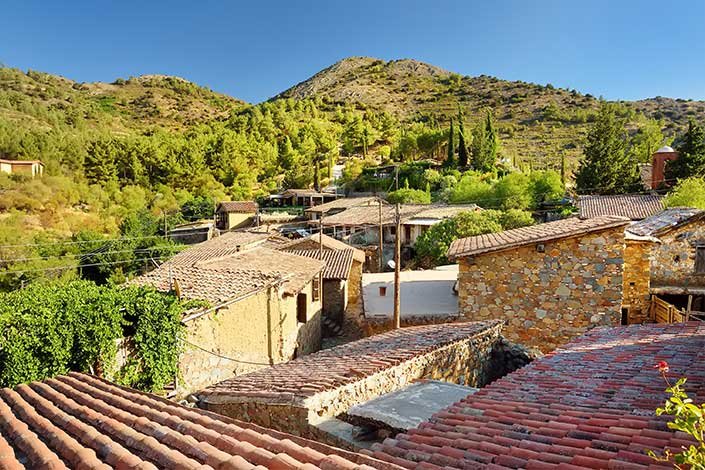
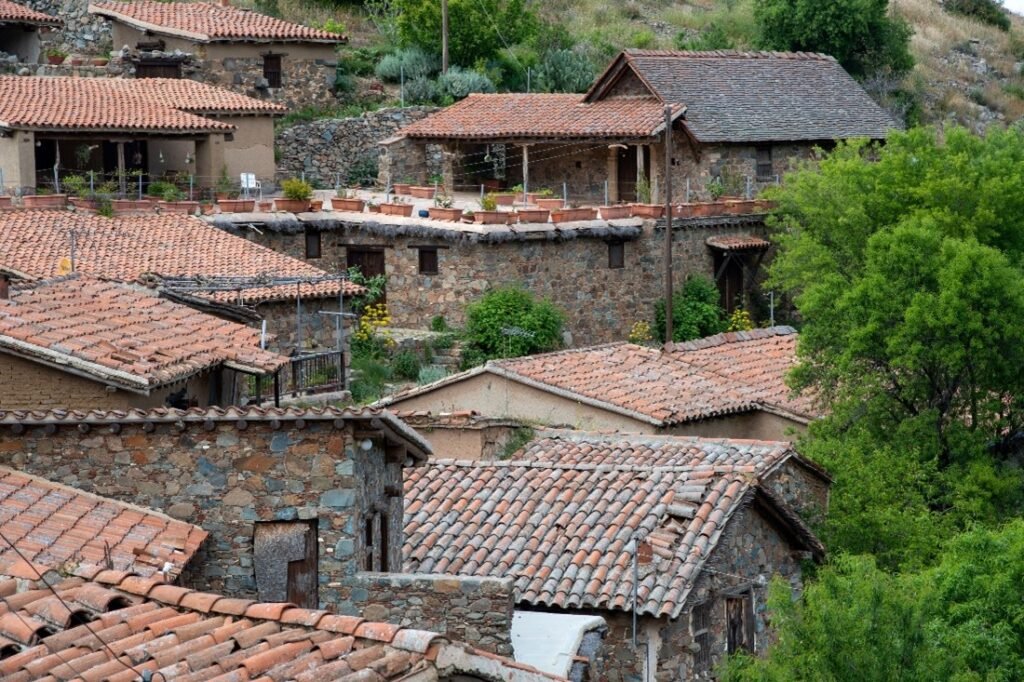
    One of the most striking aspects of Cyprus’s traditional villages is their distinctive architecture. Stone houses, often adorned with wooden balconies and vibrant flowers, reflect the island’s historical influences. The villages of Omodos and Lefkara are perfect examples, with their narrow cobblestone streets and charming homes that date back centuries.

    Furthermore, many of these buildings have been meticulously restored, allowing visitors to step back in time. The preservation of these architectural styles is vital, as it maintains the island’s identity and offers insight into how Cypriots lived in the past.

    Cultural Significance of Buildings

    In addition to residential structures, various cultural buildings, such as churches and community halls, also contribute to the architectural heritage. The Church of the Holy Cross in Lefkara, for instance, is not only a religious site but also a beautiful representation of Byzantine architecture. These buildings often serve as gathering places for local events, reinforcing community bonds and cultural practices.

    How Traditional Villages Preserve Cypriot Heritage
    How Traditional Villages Preserve Cypriot Heritage

    2. Preserving Traditional Crafts

    Artisan Skills and Techniques

    Traditional villages are often home to skilled artisans who have honed their crafts over generations. From lace-making in Lefkara to pottery in Paphos, these artisans play a vital role in preserving the unique craftsmanship that characterizes Cypriot heritage. By practicing age-old techniques, they ensure that these crafts do not become lost to time.

    Moreover, many artisans offer workshops for visitors, providing a hands-on experience. This not only helps to keep the skills alive but also educates tourists about the cultural significance of these crafts. When visitors engage in these activities, they gain a deeper appreciation for Cypriot traditions.

    Showcasing Local Products

    Local markets in traditional villages serve as a platform for artisans to showcase their work. Products such as handmade lace, ceramics, and traditional textiles reflect the island’s artistic heritage. These markets not only provide a source of income for local artisans but also allow visitors to take home a piece of Cypriot culture, thereby supporting the preservation of these crafts.

    3. Culinary Heritage

    Traditional Cypriot Cuisine

    Cyprus’s traditional villages are also vital in preserving the island’s culinary heritage. Local tavernas serve authentic dishes that have been passed down through generations. Classic meals such as moussaka, kleftiko, and meze highlight the rich flavors of Cypriot cuisine.

    Moreover, many villages celebrate annual festivals centered around local foods and agricultural products. For instance, the Wine Festival in Omodos showcases the region’s winemaking traditions, complete with tastings, music, and dance. These events not only preserve culinary practices but also foster community spirit and pride in local traditions.

    Sustainable Farming Practices

    In many traditional villages, sustainable farming practices are upheld. Locals grow seasonal fruits and vegetables, often using methods that have been in practice for centuries. This commitment to sustainability helps preserve the local ecosystem while ensuring that traditional recipes can be made with fresh, local ingredients.

    4. Community and Festivals

    Strengthening Local Identity

    The sense of community in traditional villages is a powerful aspect of preserving Cypriot heritage. Villagers often come together to celebrate festivals, religious ceremonies, and cultural events, reinforcing their local identity. These gatherings serve as opportunities for sharing stories, music, and dance, all integral to Cypriot culture.

    Additionally, community-led initiatives, such as cultural workshops and heritage trails, allow locals and visitors alike to engage with the traditions that define their identity. By fostering a sense of belonging, these initiatives help keep traditions alive for future generations.

    Role of Local Organizations

    Local organizations play a crucial role in organizing events and promoting cultural heritage. They often collaborate with artisans and community members to ensure that traditional practices are maintained and celebrated. This support helps create a vibrant atmosphere where heritage can thrive.

    Conclusion

    Traditional villages in Cyprus are more than just picturesque destinations; they are vital guardians of the island’s rich heritage. Through preserving architectural styles, promoting traditional crafts, celebrating culinary delights, and fostering community spirit, these villages ensure that the essence of Cypriot culture remains alive and well. By visiting these villages, you not only enjoy their beauty but also contribute to the ongoing effort to keep Cyprus’s heritage thriving for generations to come.

  • Best Traditional Villages to Visit in Cyprus

    Best Traditional Villages to Visit in Cyprus

    Cyprus is not just about stunning beaches and vibrant nightlife; it also boasts a rich tapestry of history and culture, particularly in its traditional villages. These hidden gems offer visitors a glimpse into the island’s past, showcasing authentic architecture, local crafts, and delicious cuisine. If you’re planning a visit, here are the best traditional villages to explore in Cyprus.

    1. Omodos

    A Glimpse of Wine Tradition

    Omodos is a picturesque village located in the Troodos Mountains, renowned for its wine-making heritage. As you stroll through the cobblestone streets, you’ll encounter charming stone houses adorned with vibrant flowers.

    Moreover, don’t miss the Timios Stavros Monastery, a significant landmark that draws visitors with its historical and architectural beauty. After exploring the monastery, stop by one of the local wineries. Here, you can sample some of the best wines Cyprus has to offer, particularly the famous Commandaria, a sweet dessert wine.

    Culinary Delights

    To complete your visit, indulge in traditional Cypriot cuisine at local tavernas. Try the meze platter, which includes an assortment of small dishes, allowing you to experience various flavors. With its rich history and delightful offerings, Omodos is undoubtedly one of the best traditional villages to visit in Cyprus.

    Best Traditional Villages to Visit in Cyprus
    Best Traditional Villages to Visit in Cyprus

    2. Lefkara

    Famous for Lace and Silver

    Lefkara, known for its exquisite lacework and silver jewelry, is another must-visit village. The intricate lace pieces, locally known as “Lefkaritika,” have gained international recognition. As you wander through the village, you’ll find many shops selling these beautiful handmade products.

    Take some time to chat with local artisans, who are often eager to share their craft’s history and techniques. You might even be inspired to buy a unique piece as a souvenir!

    Charming Architecture

    In addition to its crafts, Lefkara is famous for its charming architecture. The village features narrow streets lined with traditional stone houses and stunning views of the surrounding hills. Don’t forget to visit the Church of the Holy Cross, which showcases beautiful Byzantine icons.

    3. Kakopetria

    A Nature Lover’s Paradise

    Kakopetria is a delightful village located along the banks of the Kryos River. This village is not only picturesque but also offers a unique blend of history and nature. Surrounded by lush pine forests, Kakopetria is an excellent base for hiking enthusiasts.

    Consider taking the Kakopetria Nature Trail, which leads you through scenic landscapes and offers stunning views. While exploring, you might encounter local wildlife, including birds and butterflies, making it a perfect spot for nature lovers.

    Historical Attractions

    When you’re ready to explore the village, visit the Agios Nikolaos Church, a charming 19th-century church featuring beautiful frescoes. Kakopetria’s traditional tavernas also serve delicious homemade dishes, making it a wonderful place to unwind after a day of exploration.

    4. Fikardou

    Preserved Heritage

    Fikardou is a small, traditional village that has retained its authentic character over the years. Designated as a protected village, Fikardou showcases well-preserved traditional houses and narrow streets, offering a glimpse into Cypriot life in the past.

    The village is also home to the Fikardou Folk Museum, where visitors can learn about traditional Cypriot crafts, agriculture, and daily life. This small museum houses various artifacts that illustrate the rich history of the area.

    Peaceful Atmosphere

    Fikardou provides a serene escape from the hustle and bustle of tourist hotspots. Spend your day wandering the quiet streets, enjoying the beautiful scenery, and perhaps even sharing a coffee with the friendly locals.

    5. Yialousa

    Scenic Views and Serenity

    Yialousa is a lesser-known traditional village that promises tranquility and breathtaking views. Located on the northeastern coast, it offers a peaceful atmosphere away from the crowds.

    The village is characterized by its stunning natural landscapes and traditional stone houses. It’s a perfect spot for visitors looking to relax and soak in the beautiful surroundings.

    Local Cuisine

    While in Yialousa, enjoy a meal at a local taverna. The village is known for its fresh seafood dishes, including grilled fish and local meze. Dining here provides a fantastic way to experience authentic Cypriot cuisine while enjoying the peaceful ambiance.

    Conclusion

    Visiting the traditional villages of Cyprus offers a unique opportunity to immerse yourself in the island’s rich culture and history. From the wine-making traditions of Omodos to the serene landscapes of Yialousa, each village has its charm and character. So, whether you’re an adventure seeker, a history buff, or simply looking to unwind, make sure to include these traditional villages in your travel itinerary. You won’t be disappointed!