Category: Traditional Villages

  • Hidden Gems: Traditional Villages of Cyprus

    Hidden Gems: Traditional Villages of Cyprus

    When you explore the Cyprus rural villages, you uncover hidden gems that reflect the island’s rich history and vibrant culture. These lesser-known communities offer a glimpse into authentic Cypriot life, away from the bustling tourist spots. Join us as we delve into the charm of these villages, where time seems to stand still and tradition reigns.

    Hidden Gems: Traditional Villages of Cyprus
    Hidden Gems: Traditional Villages of Cyprus

    Experience Authentic Village Life

    Visiting the traditional villages of Cyprus allows you to experience life as the locals do. You’ll find friendly faces and warm welcomes in these close-knit communities. Engage in conversations with villagers, who often share fascinating stories about their lives and traditions. This personal interaction deepens your understanding of Cypriot culture and creates memorable experiences.

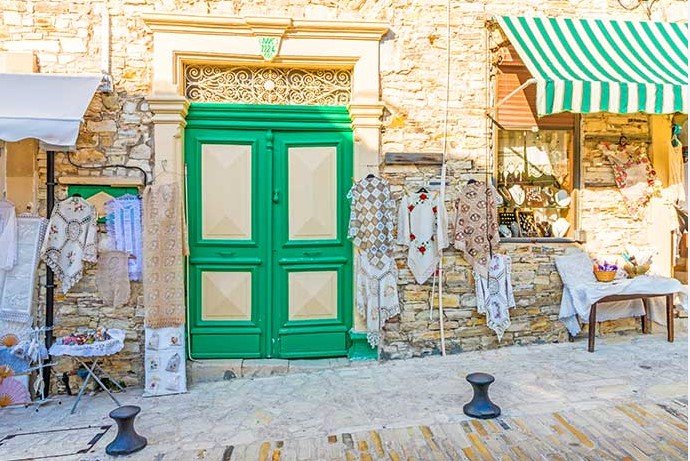
    Strolling through the narrow, winding streets, you’ll encounter stone houses adorned with vibrant bougainvillea, quaint shops selling handmade crafts, and cozy tavernas serving delicious local dishes. The peaceful atmosphere of these villages invites you to slow down and savor the moment.

    Discover Unique Crafts and Artisanal Products

    Traditional crafts thrive in the villages of Cyprus, where artisans skillfully create beautiful handmade products. You can witness potters shaping clay, weavers crafting intricate textiles, and woodworkers designing unique furniture. Many villages host workshops where you can try your hand at these traditional crafts, adding a personal touch to your visit.

    Make sure to purchase a handmade souvenir to support local artisans. From pottery to handwoven rugs, these authentic creations reflect the rich heritage of Cyprus and serve as lasting memories of your journey.

    Savour Delicious Local Cuisine

    Cypriot villages are renowned for their mouthwatering cuisine, which showcases fresh, locally sourced ingredients. Traditional tavernas invite you to indulge in hearty meals that highlight the flavours of the region. Enjoy dishes such as kleftiko (slow-cooked lamb), sheftalia (Cypriot sausages), and souvla (grilled meat), all prepared with love and care.

    Don’t miss out on the chance to taste local wines and spirits. Many villages produce their own wines, offering tastings that allow you to savor the distinct flavours of the region. The combination of delicious food and warm hospitality creates an unforgettable dining experience.

    Explore Breathtaking Natural Landscapes

    The stunning landscapes surrounding Cyprus’ traditional villages enhance their appeal. Nestled in the Troodos Mountains or along the coast, these villages offer breathtaking views and outdoor adventures. Hiking trails lead you through lush forests, while coastal paths provide picturesque vistas of the Mediterranean Sea.

    As you explore the natural beauty of these areas, take time to appreciate the unique flora and fauna. Nature enthusiasts can enjoy birdwatching or discovering rare plant species that thrive in this diverse environment. The connection between the villages and their landscapes enriches your experience of Cyprus.

    Participate in Local Festivals and Traditions

    One of the most rewarding aspects of visiting traditional villages is experiencing their vibrant festivals and customs. Many villages celebrate religious feasts and harvest festivals that showcase the local culture. During these events, you can enjoy traditional music, dance, and food that bring the community together.

    Participating in these festivities allows you to immerse yourself in the local way of life. You’ll find villagers eager to share their customs, making your visit even more memorable. This firsthand experience of Cypriot traditions provides a deeper appreciation for the island’s cultural heritage.

    Conclusion: Embrace the Hidden Gems of Cyprus

    In conclusion, the traditional villages of Cyprus hold hidden gems waiting to be discovered. Through authentic village life, unique crafts, delicious cuisine, and breathtaking landscapes, these communities offer an enriching experience that showcases the heart of Cypriot culture. So, venture off the beaten path, explore these charming villages, and embrace the warmth of their hospitality.

  • Experience Authentic Cyprus in Its Villages

    Experience Authentic Cyprus in Its Villages

    When you seek the heart of Cyprus, look no further than its authentic villages. These charming communities offer a unique glimpse into the island’s rich culture and history. In this blog post, we explore how you can experience authentic Cyprus by visiting its villages, immersing yourself in local traditions, and enjoying the breathtaking landscapes.

    Experience Authentic Cyprus in Its Villages
    Experience Authentic Cyprus in Its Villages

    Discover Traditional Crafts and Artistry

    In authentic Cyprus villages, skilled artisans keep traditional crafts alive. From pottery to weaving, these crafts showcase the island’s rich cultural heritage. As you stroll through the village, you may find workshops where local artisans create beautiful handmade items. Engaging with these craftsmen allows you to witness the artistry and passion behind their work.

    Take the opportunity to learn about the techniques used in pottery or the intricacies of weaving. Many artisans welcome visitors, offering hands-on experiences that deepen your appreciation for their craft. Purchasing a handmade souvenir not only supports local artisans but also provides you with a unique piece of Cyprus to take home.

    Savour Local Cuisine

    The villages of Cyprus boast a vibrant culinary scene that reflects the island’s agricultural bounty. Traditional tavernas serve delicious, home-cooked meals prepared with fresh, locally sourced ingredients. As you dine in these quaint establishments, you can savor dishes like kleftiko, slow-cooked lamb, or moussaka, a layered dish of eggplant and minced meat.

    Many villages also host local markets, where you can buy fresh produce, cheeses, and homemade treats. Don’t miss the opportunity to try local specialities such as halloumi cheese and zivania, a traditional Cypriot spirit. Engaging with local food culture offers a delicious way to experience authentic Cyprus.

    Immerse Yourself in Local Traditions

    Cypriot villages are steeped in traditions that have been passed down through generations. Festivals and events provide a window into the island’s vibrant culture. Depending on the time of year, you might witness a village festival celebrating a harvest, a religious feast, or traditional music and dance.

    Participating in these events allows you to experience the warmth and hospitality of the locals. You’ll often find villagers eager to share stories, songs, and dances that connect you to their way of life. This immersion into local traditions creates unforgettable memories and deepens your understanding of Cypriot culture.

    Explore Breathtaking Landscapes

    The scenic beauty surrounding authentic Cyprus villages adds to their charm. Nestled in the foothills of the Troodos Mountains or along the coastline, these villages offer stunning views and opportunities for outdoor adventures. Hiking trails weave through lush forests, while coastal paths reveal breathtaking sea vistas.

    As you explore the natural landscapes, take time to appreciate the flora and fauna unique to the region. Birdwatchers will find various species, while nature lovers can enjoy the serenity of the countryside. Exploring these landscapes complements your experience of authentic Cyprus, creating a harmonious connection between culture and nature.

    Engage with the Local Community

    One of the most rewarding aspects of visiting authentic Cyprus villages is the opportunity to connect with the local community. Villagers often take pride in sharing their culture, traditions, and stories with visitors. Engaging in conversations with locals enhances your understanding of their way of life.

    Consider participating in community events or volunteering opportunities that allow you to give back to the village. Whether it’s helping with local festivals or joining conservation efforts, your involvement fosters meaningful connections and enriches your experience.

    Conclusion: A Journey into Authentic Cyprus

    In conclusion, experiencing authentic Cyprus in its villages offers a unique journey into the island’s rich heritage. From traditional crafts and delicious cuisine to vibrant festivals and breathtaking landscapes, these villages provide an immersive experience unlike any other. Embrace the warmth of the local community and create lasting memories as you explore the heart of Cyprus.

  • The Architecture of Traditional Cypriot Villages

    The Architecture of Traditional Cypriot Villages

    The architecture of traditional Cypriot villages reflects the island’s rich history and cultural heritage. Characterized by unique designs and materials, these structures provide insight into the lives of their inhabitants and the influences that shaped them. In this blog post, we explore the key features and historical significance of traditional Cypriot village architecture.

    The Architecture of Traditional Cypriot Villages
    The Architecture of Traditional Cypriot Villages

    Distinctive Design Elements

    The architecture of traditional Cypriot villages showcases a blend of practicality and aesthetic appeal. Stone houses with thick walls, typically built from local limestone, dominate the landscape. These materials provide excellent insulation, keeping homes cool in the hot summers and warm in the mild winters.

    Roofs often feature red-tiled sloping designs, which not only add to the visual charm but also serve practical purposes. The steep slope helps rainwater drain effectively, protecting homes from water damage. Additionally, many homes incorporate wooden balconies and verandas, allowing residents to enjoy the scenic views of the surrounding countryside.

    Courtyards and Outdoor Spaces

    A defining feature of traditional Cypriot architecture is the presence of courtyards. These open spaces often serve as communal areas for families and neighbours to gather, fostering a strong sense of community. Courtyards typically showcase local flora, including vibrant flowers and fragrant herbs, enhancing the beauty of the surroundings.

    Outdoor spaces also play a significant role in daily life. Many homes include outdoor kitchens or areas for traditional cooking, emphasizing the importance of food in Cypriot culture. These communal cooking spaces allow families to prepare meals together, reinforcing familial bonds and social connections.

    Cultural Influences

    The architecture of traditional Cypriot villages reflects various cultural influences that have shaped the island over the centuries. Byzantine, Venetian, and Ottoman architectural styles all contribute to the unique character of these villages. For instance, you may notice arched doorways and decorative stonework reminiscent of Byzantine influences, while intricate tile designs often showcase Ottoman craftsmanship.

    As you explore these villages, you’ll also encounter churches and mosques that exemplify the island’s diverse religious heritage. Many of these religious structures feature stunning frescoes and unique architectural elements that highlight the artistry of local craftsmen.

    Preservation Efforts

    As modernization impacts many aspects of life in Cyprus, the preservation of traditional village architecture becomes increasingly important. Various initiatives aim to maintain and restore these historical structures, ensuring that future generations can appreciate their cultural significance.

    Local communities actively engage in restoration projects, often involving skilled artisans who specialize in traditional building techniques. These efforts not only protect the architectural heritage but also promote sustainable tourism, attracting visitors who seek authentic experiences in Cyprus.

    Conclusion: A Testament to Cypriot Heritage

    In conclusion, the architecture of traditional Cypriot villages stands as a testament to the island’s rich cultural heritage. Through distinctive design elements, communal spaces, and cultural influences, these structures tell the story of their inhabitants and the history of Cyprus. As you wander through these charming villages, take a moment to appreciate the craftsmanship and traditions that continue to shape their unique architecture.

  • Preserving Culture in Cyprus’ Traditional Villages

    Preserving Culture in Cyprus’ Traditional Villages

    Cyprus, an island steeped in history, showcases its vibrant culture through its traditional villages. These villages stand as living museums, actively preserving local customs, crafts, and lifestyles that have thrived for generations. In this blog post, we delve into the various ways these communities preserve their culture, offering a unique glimpse into the heart of Cypriot life.

    Preserving Culture in Cyprus’ Traditional Villages
    Preserving Culture in Cyprus’ Traditional Villages

    Community Engagement

    The residents of Cyprus’ traditional villages play a crucial role in preserving their cultural heritage. They actively engage in community events that celebrate local customs and traditions. Festivals, religious ceremonies, and agricultural fairs provide opportunities for villagers to come together, sharing stories and experiences that keep their history alive.

    For example, during harvest season, villagers gather to celebrate their agricultural roots, showcasing traditional practices like grape harvesting and olive oil production. These events not only foster community spirit but also educate younger generations about their cultural heritage.

    Artisan Crafts

    Traditional crafts form a significant part of Cyprus’ cultural identity. Skilled artisans in these villages preserve techniques passed down through generations. Visitors to these communities can witness the intricate art of lace-making, pottery, and woodworking, each piece telling a story of its own.

    In Lefkara, for instance, artisans craft exquisite lace known as Lefkaritika, which has gained recognition worldwide. By continuing these artisanal practices, villagers not only maintain their cultural heritage but also contribute to the local economy through tourism.

    Culinary Traditions

    Food plays a pivotal role in Cyprus’ culture, and traditional villages offer a taste of authentic Cypriot cuisine. Local recipes, often passed down through families, reflect the island’s history and agricultural practices. Many villages host cooking classes, allowing visitors to learn about local ingredients and traditional cooking methods.

    These culinary experiences help preserve cultural identity while promoting sustainable practices. For example, village tavernas serve dishes made from locally sourced ingredients, emphasizing the importance of fresh produce and traditional cooking techniques.

    Language and Folklore

    Language serves as a vital component of cultural preservation in Cyprus. Villagers often speak Cypriot Greek or Turkish, depending on their heritage. By maintaining these languages, communities ensure that their unique dialects and expressions remain intact.

    Folklore also plays a significant role in cultural preservation. Villagers share stories, myths, and legends that have shaped their identity over the years. These narratives, often passed down orally, help instill a sense of pride and belonging among community members.

    Sustainable Tourism

    Sustainable tourism emerges as a powerful tool for preserving culture in Cyprus’ traditional villages. By promoting responsible travel, villagers can share their heritage with visitors while ensuring that their cultural practices remain intact. Many villages have developed eco-tourism initiatives, allowing visitors to experience local customs without compromising the authenticity of the community.

    Through guided tours, workshops, and cultural events, visitors gain insight into village life while contributing to the local economy. This mutually beneficial relationship fosters appreciation for Cypriot culture and encourages the continuation of traditional practices.

    Conclusion: A Living Heritage

    In conclusion, preserving culture in Cyprus’ traditional villages involves a multifaceted approach. Through community engagement, artisan crafts, culinary traditions, language, folklore, and sustainable tourism, these villages maintain their rich heritage while adapting to modern times. As you explore Cyprus, take the time to visit these vibrant communities and immerse yourself in their unique culture. By doing so, you contribute to the ongoing story of Cyprus, ensuring that its traditions live on for future generations.

  • Traditional Village Festivals in Cyprus

    Traditional Village Festivals in Cyprus

    Cyprus boasts a rich cultural heritage, reflected beautifully in its traditional village festivals. These festivals bring communities together, celebrating local customs, music, dance, and delicious food. As you explore the villages of Cyprus, you’ll encounter vibrant festivals that offer a unique glimpse into the island’s cultural soul. Let’s dive into some of the most cherished traditional village festivals in Cyprus.

    Traditional Village Festivals in Cyprus
    Traditional Village Festivals in Cyprus

    Agros Rose Festival

    The Agros Rose Festival celebrates the blooming of roses in the picturesque village of Agros. This annual event typically occurs in May, transforming the village into a fragrant paradise. Visitors flock to enjoy a variety of activities, including local crafts, food stalls, and live music performances.

    During the festival, locals showcase their rose-related products, such as rosewater, cosmetics, and sweets. The festival’s highlight often includes a lively parade featuring traditional costumes, folk music, and dance. This vibrant celebration not only honours the beauty of roses but also fosters community spirit and local pride.

    Larnaca’s Foinikoudes Festival

    Larnaca’s Foinikoudes Festival takes place along the beautiful palm-lined promenade, usually in September. This lively festival celebrates the cultural heritage of the region, featuring a mix of music, dance, and culinary delights. Locals and visitors come together to enjoy performances by traditional musicians and dancers.

    The festival offers a platform for local artisans to display their crafts, creating a bustling marketplace atmosphere. Food stalls serve up delicious Cypriot dishes, allowing attendees to savour the flavours of the island. The Foinikoudes Festival not only entertains but also fosters a sense of community, celebrating Larnaca’s rich culture.

    Paphos Wine Festival

    The Paphos Wine Festival celebrates the island’s rich winemaking traditions, typically held in September. This annual event takes place in the picturesque Paphos harbor, attracting wine enthusiasts and locals alike. The festival showcases local wines, with wineries offering tastings of their finest selections.

    Throughout the event, visitors can enjoy traditional Cypriot music and dance performances. Various food stalls serve delicious local dishes, allowing attendees to indulge in the flavors of Cyprus. The Paphos Wine Festival fosters a sense of camaraderie and community, celebrating the island’s winemaking heritage.

    Lefkara Festival of Lace

    The Lefkara Festival of Lace occurs in the charming village of Lefkara, renowned for its exquisite lacework. This festival typically takes place in the summer and celebrates the village’s rich lace-making tradition. Visitors can explore the intricate craftsmanship of Lefkaritika lace, with artisans demonstrating their skills.

    The festival features local music, dance performances, and various cultural activities. Food stalls offer traditional Cypriot dishes, allowing attendees to savour local flavours while enjoying the festivities. The Lefkara Festival of Lace not only showcases local craftsmanship but also highlights the importance of preserving this cultural heritage.

    Kouklia’s Hilarion Festival

    Kouklia hosts the Hilarion Festival, celebrating the patron saint of the village. This festival typically takes place in late September, features a series of religious and cultural events. The festivities kick off with a lively procession through the village, accompanied by traditional music and dance.

    During the festival, locals prepare traditional dishes for attendees to enjoy. The vibrant atmosphere fosters a sense of community, bringing people together to celebrate their shared cultural heritage. The Hilarion Festival showcases the deep-rooted traditions and values of the village.

    Conclusion: Celebrate Cypriot Culture

    In conclusion, traditional village festivals in Cyprus offer a captivating glimpse into the island’s rich cultural heritage. From the fragrant Agros Rose Festival to the lively Paphos Wine Festival, each event showcases the unique customs, music, and flavours of Cyprus. These celebrations foster community spirit, allowing visitors to immerse themselves in the island’s vibrant culture. So, plan your visit to coincide with one of these incredible festivals and experience the warmth and hospitality of the Cypriot people!

  • Top Villages to Explore Cypriot Handicrafts

    Top Villages to Explore Cypriot Handicrafts

    Cypriot handicrafts reflect the island’s rich cultural heritage and artistic traditions. From intr

    Top Villages to Explore Cypriot Handicrafts
    Top Villages to Explore Cypriot Handicrafts

    icate lacework to beautifully crafted pottery, the skills of local artisans breathe life into these creations. To truly appreciate the artistry and craftsmanship, visiting the top villages known for their unique handicrafts is essential. Let’s dive into the best villages to explore these treasures.


    Lefkara: The Lace Capital

    Lefkara, a UNESCO World Heritage site, stands out as the lace capital of Cyprus. This charming village boasts a rich tradition of Lefkaritika lace, known for its intricate designs and meticulous craftsmanship. As you stroll through the cobblestone streets, you’ll find numerous workshops and shops where skilled artisans create this stunning lace by hand.

    Visitors can engage with local lace-makers, learning about the history and techniques behind this delicate art. Many artisans welcome you to witness their craftsmanship up close. Furthermore, purchasing a piece of Lefkaritika lace not only supports local artists but also provides you with a unique souvenir that embodies Cypriot culture.

    Omodos: A Hub of Wine and Craft

    Omodos village, nestled in the scenic wine-producing region, offers a delightful blend of wine and handicrafts. Known for its traditional stone houses and cobbled streets, Omodos provides a picturesque backdrop for exploring local craftsmanship. Here, you can discover various artisanal products, including pottery, woodwork, and handmade textiles.

    The village hosts numerous workshops where artisans showcase their skills. You might even have the chance to participate in a pottery-making session, allowing you to create your own masterpiece. Additionally, don’t miss the local wine, which complements the experience of exploring the vibrant craft scene.

    Fikardou: The Preserved Village

    Fikardou, a well-preserved village that feels like a step back in time, showcases traditional Cypriot architecture and craftsmanship. This village, recognized as a UNESCO World Heritage site, features restored houses that highlight the island’s rich history. Visitors can explore the local crafts, including traditional basket weaving and pottery.

    As you wander through the narrow streets, take time to appreciate the craftsmanship on display. You might encounter artisans creating beautiful baskets or pottery, allowing you to witness their dedication to preserving Cypriot traditions. Fikardou offers a peaceful setting where you can immerse yourself in the local culture.

    Kiti: Traditional Embroidery

    Kiti, located near Larnaca, is known for its traditional embroidery. The village’s skilled embroiderers create stunning pieces that reflect Cypriot culture and artistry. Visitors can find a variety of handcrafted items, from tablecloths to decorative linens, each showcasing intricate designs and vibrant colours.

    In Kiti, you can engage with local artisans who are eager to share the techniques and stories behind their creations. This interactive experience allows you to appreciate the craftsmanship that goes into each piece. Exploring Kiti offers a unique opportunity to bring home a piece of Cypriot culture.

    Agros: The Village of Roses

    Agros, famous for its rosewater production, also offers a vibrant handicraft scene. The village’s artisans create beautiful rose-themed products, from cosmetics to traditional crafts. Visitors can explore local workshops where artisans craft handmade soaps, oils, and other rose-infused goods.

    In addition to rose-related crafts, Agros features local pottery and woven items. You can immerse yourself in the craftsmanship while enjoying the fragrant atmosphere of blooming roses. A visit to Agros provides a delightful sensory experience, combining nature and artistry.

    Conclusion: A Craft Lover’s Paradise

    In conclusion, exploring the top villages for Cypriot handicrafts reveals the island’s rich cultural heritage and artistic traditions. From Lefkara’s delicate lace to Omodos’s pottery, each village offers a unique perspective on craftsmanship. By visiting these villages, you support local artisans while gaining a deeper appreciation for Cypriot culture. So, pack your bags and embark on a journey to discover the beauty of Cypriot handicrafts!

  • Food and Heritage: Traditional Village Life in Cyprus

    Food and Heritage: Traditional Village Life in Cyprus

    Traditional village life in Cyprus offers a unique glimpse into the island’s cultural heritage, where food plays a central role. The villages, filled with warmth and history, showcase a lifestyle deeply rooted in tradition and community. Let’s explore how food and heritage intertwine in the heart of Cyprus.

    Food and Heritage: Traditional Village Life in Cyprus
    Food and Heritage: Traditional Village Life in Cyprus

    A Culinary Journey Through Tradition

    In traditional villages, food is more than sustenance; it represents a way of life. Each dish tells a story, reflecting the island’s history and the people’s connection to the land. Villagers prepare meals using fresh, local ingredients, often sourced from their gardens or nearby farms. This farm-to-table approach ensures that meals are not only flavorful but also seasonal and sustainable.

    One cannot visit a Cypriot village without trying local specialities. Dishes like moussaka, kleftiko, and halloumi cheese highlight the island’s culinary diversity. Locals often invite visitors to join in meal preparations, sharing family recipes passed down through generations. Such experiences allow travellers to connect with the rich tapestry of Cypriot culture while enjoying the fruits of their labour.

    The Role of Festivals in Village Life

    Festivals play a vital role in traditional village life, celebrating the agricultural calendar and fostering community spirit. Villagers gather for seasonal events that feature food, music, and dance, transforming the village square into a lively hub of activity. These gatherings showcase traditional foods and provide a platform for cultural exchange, where stories and experiences flow as freely as the local wine.

    During the grape harvest festival, for example, villagers come together to pick grapes and create homemade wine. This communal effort fosters bonds among locals and allows visitors to participate in age-old traditions. Such events highlight the significance of food in celebrating heritage and building community ties.

    Preserving Culinary Heritage

    Traditional villages prioritize preserving their culinary heritage, ensuring that age-old practices do not fade away. Many villagers engage in artisanal crafts, such as cheese-making and bread-baking, using techniques that have remained unchanged for centuries. Visitors often have the opportunity to witness these processes firsthand, gaining insights into the meticulous craftsmanship behind each product.

    Additionally, many villages host cooking classes where visitors can learn to prepare traditional dishes. These hands-on experiences not only teach valuable culinary skills but also instil a deeper appreciation for the cultural significance of food. By participating, visitors contribute to the preservation of culinary heritage while creating delicious memories.

    Community and Connection

    In Cyprus, community life revolves around shared meals and gatherings. Villagers often invite friends and neighbours to enjoy meals together, fostering a sense of belonging. This communal dining experience emphasizes the importance of hospitality in Cypriot culture. Visitors often feel welcomed and included, as locals share stories and laughter over a hearty meal.

    Moreover, traditional village life encourages sustainable practices. Many villagers maintain small farms, growing fruits, vegetables, and herbs. This local approach not only nourishes the community but also enhances the flavour of traditional dishes. By supporting local farmers and artisans, visitors contribute to the sustainability of these time-honoured practices.

    The Beauty of Rural Landscapes

    The stunning landscapes surrounding traditional villages enhance the overall experience. Rolling hills, vineyards, and olive groves create a picturesque backdrop for village life. Visitors can explore scenic trails and immerse themselves in nature, making the connection between the land and the food served on their plates even more meaningful.

    Cycling through these rural areas or taking leisurely walks allows visitors to appreciate the natural beauty of Cyprus. Many villages offer guided tours that showcase local flora and fauna, enriching the understanding of how the landscape influences traditional agriculture and cuisine.

    Conclusion: A Tapestry of Food and Heritage

    In conclusion, traditional village life in Cyprus weaves together food and heritage, creating a rich tapestry that defines the island’s identity. Through communal meals, vibrant festivals, and artisanal crafts, villagers share their stories and traditions with warmth and hospitality. Visitors who explore these villages gain invaluable insights into Cypriot culture while enjoying the delightful flavors of the island.

  • Why Traditional Villages Are the Heart of Cyprus

    Why Traditional Villages Are the Heart of Cyprus

    Traditional villages in Cyprus embody the island’s rich cultural heritage and vibrant community spirit. These villages not only preserve age-old traditions but also offer visitors a glimpse into the everyday lives of Cypriots. Let’s explore why these traditional villages hold a special place in the heart of Cyprus.

    Why Traditional Villages Are the Heart of Cyprus
    Why Traditional Villages Are the Heart of Cyprus

    A Glimpse into Cypriot Culture

    Traditional villages in Cyprus, such as Omodos and Lefkara, provide an authentic experience of Cypriot culture. Visitors can explore cobbled streets, historic churches, and charming stone houses, each telling a story of the past. The architecture reflects a blend of Byzantine and medieval influences, showcasing the island’s diverse history.

    These villages host numerous cultural festivals throughout the year, allowing locals to celebrate their traditions with music, dance, and delicious food. Participating in these events offers visitors an opportunity to engage with the community and appreciate the vibrant culture that defines Cyprus.

    Preservation of Traditions

    In Cyprus, traditional villages play a crucial role in preserving age-old customs and practices. Artisans in villages like Lefkara continue to create exquisite lace and pottery, passing down their skills through generations. Visitors can watch skilled craftspeople at work and even take part in workshops to learn these traditional crafts firsthand.

    Moreover, many villages maintain their culinary traditions, offering dishes made from locally sourced ingredients. Restaurants serve authentic Cypriot cuisines, such as kleftiko and moussaka, allowing visitors to taste the flavours of the island while supporting local farmers and producers.

    Strong Community Bonds

    Traditional villages in Cyprus foster a strong sense of community. Locals often know each other by name and gather for various social events, from religious celebrations to village fairs. This close-knit atmosphere creates a welcoming environment for visitors, who often feel like part of the community during their stay.

    Many villages encourage visitors to engage with locals, whether through organized tours or informal conversations at local cafes. This interaction provides deeper insights into the daily lives and values of Cypriots, allowing travelers to leave with a richer understanding of the culture.

    Breathtaking Landscapes

    The picturesque landscapes surrounding traditional villages add to their charm. Nestled in the foothills of the Troodos Mountains or perched along the coastline, these villages offer stunning views of nature. Visitors can explore scenic hiking trails, vineyards, and orchards, immersing themselves in the island’s natural beauty.

    The lush landscapes often inspire outdoor activities, such as cycling or hiking, allowing visitors to experience Cyprus’ biodiversity while enjoying the tranquillity of rural life. The combination of stunning views and rich cultural heritage makes these villages a must-visit for anyone exploring Cyprus.

    Gateway to Authentic Experiences

    Traditional villages serve as gateways to authentic experiences in Cyprus. Visitors can participate in traditional cooking classes, learn local dances, or join in seasonal harvests. These immersive activities allow travellers to connect with the land and its people on a deeper level.

    By exploring these villages, visitors not only support local economies but also contribute to the preservation of cultural heritage. Each interaction enriches the travel experience, allowing visitors to forge lasting memories and connections with the Cypriot way of life.

    Conclusion: The Heart of Cyprus

    In summary, traditional villages are the heart of Cyprus, offering a unique blend of culture, community, and natural beauty. Their rich history and vibrant local traditions create unforgettable experiences for visitors. Whether you are tasting authentic cuisine, participating in cultural festivals, or simply enjoying the breathtaking landscapes, these villages invite you to discover the essence of Cyprus.

  • Best Villages for Cultural Experiences in Cyprus

    Best Villages for Cultural Experiences in Cyprus

    Cyprus offers a rich tapestry of cultural experiences, especially in its charming villages. These destinations invite you to immerse yourself in local traditions, enjoy authentic cuisine, and connect with friendly locals. Let’s explore the best villages for cultural experiences in Cyprus.

    Best Villages for Cultural Experiences in Cyprus
    Best Villages for Cultural Experiences in Cyprus

    1. Omodos: A Taste of Tradition

    Omodos stands out as a premier destination for cultural experiences in Cyprus. Nestled in the Troodos Mountains, this picturesque village boasts cobbled streets, traditional stone houses, and a stunning monastery. The Holy Cross Monastery serves as a focal point, drawing visitors with its rich history.

    Omodos thrives on wine production, and you can taste local wines at various wineries. Don’t miss the Wine Festival, which celebrates the village’s winemaking heritage each year. Strolling through Omodos, you can explore artisan shops showcasing lacework and pottery, giving you a glimpse into traditional Cypriot crafts.

    2. Lefkara: The Home of Lace

    Lefkara, famous for its exquisite lace, offers a unique cultural experience. This village showcases the art of Lefkaritika, a traditional lace that artisans meticulously create by hand. Visitors can watch skilled craftswomen at work and even try their hand at lace-making workshops.

    As you wander through Lefkara’s narrow streets, you’ll discover beautiful architecture and quaint cafes serving traditional Cypriot coffee. The village also boasts a rich history, with its stone houses and the Church of the Holy Cross, where you can appreciate local art and culture.

    3. Lofou: A Culinary Delight

    Lofou enchants visitors with its culinary experiences. Nestled in the hills, this village invites you to taste traditional Cypriot dishes made from locally sourced ingredients. Restaurants here offer a warm atmosphere and serve authentic meals, from kleftiko to homemade halloumi.

    Lofou’s charming streets, adorned with flowers and stone buildings, create a delightful setting. Engage with the locals, who often share stories about the village’s history and culinary traditions. Participate in cooking classes to learn how to prepare your favourite Cypriot dishes.

    4. Kakopetria: Nature and Culture Combined

    Kakopetria, located near the Troodos Mountains, presents a blend of natural beauty and cultural richness. The village is famous for its scenic landscapes and traditional architecture. Visitors can explore the Church of Agios Nikolaos and enjoy breathtaking views of the surrounding mountains.

    Kakopetria also hosts various cultural festivals, celebrating local music, dance, and cuisine. Engage with locals during these events to learn about their traditions and customs. The village’s proximity to nature trails allows you to explore the stunning Cypriot landscape while immersing yourself in the local culture.

    5. Pano Platres: Mountain Heritage

    Pano Platres stands out for its lush surroundings and cultural heritage. This mountain village attracts visitors with its tranquil atmosphere and traditional architecture. Discover the Old Cinema, a historical site that showcases the village’s cinematic history.

    The village is famous for its local taverns, where you can savor traditional Cypriot dishes. Take part in cultural events, such as traditional music performances, and learn about the village’s history through guided tours. Pano Platres offers an authentic experience amidst the beauty of the Troodos Mountains.

    Conclusion: Embrace Cypriot Culture

    Cyprus’ villages offer a wealth of cultural experiences that enrich your understanding of the island’s heritage. From the artistry of Lefkara lace to the culinary delights of Lofou, each village provides a unique glimpse into Cypriot life.

    As you explore these destinations, immerse yourself in local traditions, connect with the warm-hearted villagers, and create lasting memories of your cultural journey through Cyprus.

  • The Impact of Tourism on Traditional Villages in Cyprus

    The Impact of Tourism on Traditional Villages in Cyprus

    Pedoulas Village is a beautiful destination that offers a unique glimpse into Cypriot culture and natural beauty. With stunning landscapes and rich history, it’s a perfect spot for those seeking tranquility. After exploring the village, unwind and enjoy some exciting online casino games for a bit of fun.

    Tourism in Cyprus plays a significant role in shaping the island’s economy, culture, and daily life, especially in traditional villages. As travelers flock to experience the charm of these villages, they bring both positive and negative impacts. Let’s delve into how tourism influences traditional villages in Cyprus.

    The Impact of Tourism on Traditional Villages in Cyprus
    The Impact of Tourism on Traditional Villages in Cyprus

    Economic Boost for Local Communities

    Tourism serves as a lifeline for many traditional villages in Cyprus. Visitors contribute to the local economy by spending money on accommodations, dining, and activities. Many villages, such as Omodos and Lofou, have embraced tourism by developing guesthouses, restaurants, and shops that showcase local products.

    As a result, tourism creates job opportunities for residents, helping to sustain livelihoods. Many villagers have shifted their focus to tourism-related services, allowing them to preserve their cultural heritage while generating income. The infusion of tourism revenue supports local initiatives and community projects, enhancing the quality of life for residents.

    Preservation of Cultural Heritage

    Tourism encourages the preservation of traditional practices and cultural heritage in Cyprus. Visitors often seek authentic experiences, prompting villagers to maintain their customs, crafts, and cuisine. Traditional festivals, such as Wine Festivals and Cultural Events, gain popularity as tourists show interest in local traditions.

    Moreover, the increased attention on traditional crafts, such as pottery and weaving, helps artisans showcase their skills and share their heritage with visitors. This cultural exchange enriches both tourists and locals, fostering a sense of pride in Cypriot traditions.

    Challenges of Over-Tourism

    While tourism offers economic benefits, it also presents challenges, particularly in terms of over-tourism. In popular villages, increased visitor numbers can strain local resources and infrastructure. Overcrowding can lead to a loss of the peaceful atmosphere that initially attracted tourists.

    Additionally, the rise in tourism can alter the character of traditional villages. As more businesses cater to tourists, some villagers may feel pressured to commercialize their way of life. This shift can lead to a dilution of cultural authenticity, which is essential for maintaining the unique identity of these communities.

    Environmental Concerns

    The impact of tourism on the environment in traditional villages is another concern. Increased foot traffic can damage local ecosystems, while waste generated by visitors can overwhelm village infrastructure. Natural sites, like hiking trails and vineyards, require proper management to prevent degradation.

    To address these issues, many villages are implementing sustainable tourism practices. Local authorities work with community members to develop guidelines that promote responsible tourism, balancing economic growth with environmental conservation. Such initiatives include waste management programs and educational campaigns to raise awareness among visitors.

    Community Engagement and Involvement

    Engaging local communities in tourism planning and decision-making is crucial for balancing the benefits and challenges of tourism. Many traditional villages are fostering collaboration between local residents, businesses, and government authorities to ensure that tourism development aligns with community interests.

    This inclusive approach allows villagers to voice their concerns and contribute ideas, ensuring tourism remains a positive force. By prioritizing community involvement, villages can maintain their character and heritage while reaping the economic rewards of tourism.

    Conclusion: A Balanced Approach to Tourism

    Tourism in Cyprus profoundly impacts traditional villages, bringing both opportunities and challenges. While it boosts local economies and promotes cultural heritage, it also raises concerns about over-tourism and environmental degradation.

    By fostering community engagement and implementing sustainable practices, traditional villages can navigate the complexities of tourism. Striking a balance between economic growth and cultural preservation will help ensure that these villages remain vibrant and authentic for generations to come.