Category: Scuba Diving

  • Best Time of Year for Diving in Cyprus

    Best Time of Year for Diving in Cyprus

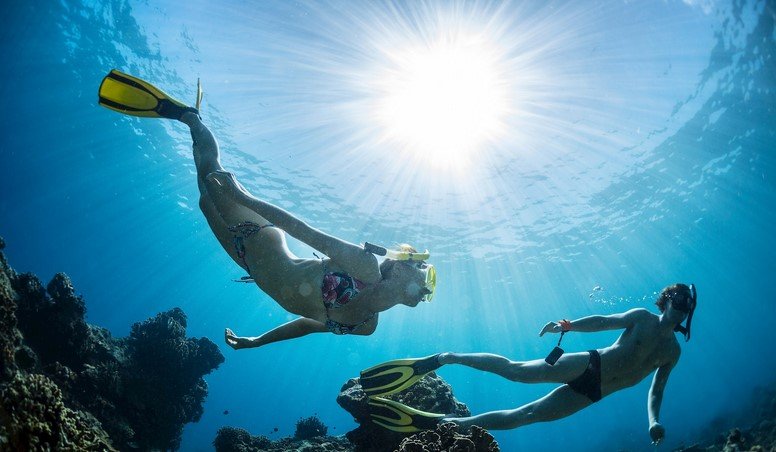
    Cyprus, with its crystal-clear waters and diverse marine life, is a top destination for diving enthusiasts. Whether you’re a beginner or a seasoned diver, the island offers year-round diving opportunities. However, if you want to make the most of your experience, choosing the best time for diving in Cyprus is essential. In this article, we’ll explore the ideal months for diving, what to expect during each season, and why Cyprus is a must-visit destination for underwater adventures.

    1. Diving Conditions in Cyprus

    Year-Round Diving Opportunities

    One of the greatest advantages of diving in Cyprus is that it can be done year-round. The island’s Mediterranean climate ensures mild winters and warm summers, making it possible to dive even during the cooler months. However, specific seasons provide better visibility, warmer water temperatures, and calmer seas.

    Water Temperatures and Visibility

    In general, water temperatures range from 16°C (61°F) in the winter to 28°C (82°F) in the summer, offering comfortable conditions for divers. Visibility is another key factor, and in Cyprus, it can reach up to 30 meters, especially in the summer months. For the clearest views of the vibrant marine life and shipwrecks, you’ll want to dive during the right season.

    Best Time of Year for Diving in Cyprus
    Best Time of Year for Diving in Cyprus

    2. Best Season for Diving in Cyprus

    Spring Diving: March to May

    Spring is one of the best times of year for diving in Cyprus. From March to May, the water temperature starts to rise, and visibility improves as the seas calm down after winter. This period also marks the beginning of the diving season, meaning fewer crowds at the popular dive sites. If you’re looking for a peaceful and relaxed diving experience, spring is an excellent choice.

    Summer Diving: June to August

    Summer is the peak season for diving in Cyprus, offering the warmest water temperatures and the best visibility. Between June and August, the waters are calm, and the sun shines almost every day, making it the perfect time for both recreational and technical diving. During this time, you can also explore the island’s most famous dive sites, like the Zenobia wreck, with perfect conditions.

    However, summer can also be crowded, especially at popular dive spots. If you don’t mind sharing the waters with other divers, you’ll love the ideal conditions that summer offers.

    Autumn Diving: September to November

    If you want to experience the best of both worlds, autumn is arguably the best time for diving in Cyprus. From September to November, water temperatures remain warm, sometimes even warmer than in the spring. The visibility is still excellent, and with fewer tourists, you’ll find more secluded dive sites. Moreover, marine life is abundant, and the autumn months are perfect for underwater photography.

    Winter Diving: December to February

    While winter isn’t the most popular time for diving in Cyprus, it still offers unique opportunities for the adventurous. The water temperatures drop to around 16°C (61°F), which is manageable with a wetsuit. Visibility can be slightly reduced, but the seas remain calm. If you’re interested in technical diving or exploring deeper wrecks, winter offers a more solitary experience as dive sites are virtually empty.

    3. Top Dive Sites in Cyprus

    Zenobia Wreck

    Arguably the most famous dive site in Cyprus, the Zenobia wreck is a must-see. This shipwreck, located near Larnaca, sank in 1980 and now serves as a fascinating underwater playground for divers of all levels. Whether you visit in summer or autumn, the Zenobia offers incredible views, including schools of fish, coral, and various compartments of the ship.

    Amphorae Caves

    For those who love exploring underwater caves, the Amphorae Caves near Paphos provide an unforgettable diving experience. This dive site is known for its ancient amphorae and stunning rock formations. It’s a great option during the summer and autumn months when visibility is high.

    Green Bay

    Green Bay in Protaras is a popular spot for beginners and experienced divers alike. The shallow waters make it ideal for beginners, while the underwater statues and vibrant marine life keep experienced divers coming back. It’s perfect to visit during spring or autumn when the waters are calm and clear.

    Conclusion

    Choosing the best time for diving in Cyprus depends largely on your preferences. Spring offers fewer crowds, summer brings ideal conditions, autumn provides warm waters and abundant marine life, and winter offers a more adventurous, solitary experience. No matter when you choose to visit, Cyprus guarantees an unforgettable underwater adventure, making it one of the top diving destinations in the Mediterranean. Dive in, and explore the magic beneath the waves!
  • The Role of Scuba Diving in Cyprus’ Marine Conservation

    The Role of Scuba Diving in Cyprus’ Marine Conservation

    Scuba diving plays a vital role in the marine conservation efforts of Cyprus, a stunning island nation in the Mediterranean Sea. As divers explore the rich underwater ecosystems, they contribute to the awareness and protection of marine life, fostering a deeper understanding of the delicate balance within these environments. In this post, we’ll explore how scuba diving aids in conservation, highlights key initiatives in Cyprus, and discusses how divers can make a positive impact.

    1. Raising Awareness About Marine Conservation

    Scuba diving serves as a unique gateway for individuals to connect with marine ecosystems. When divers immerse themselves in the ocean, they witness firsthand the beauty and diversity of marine life, which can inspire a commitment to conservation.

    • Personal Connection: Observing the vibrant coral reefs, schools of fish, and marine mammals fosters a sense of responsibility towards preserving these natural habitats.
    • Educational Programs: Many dive centers in Cyprus offer educational programs and guided dives focused on marine conservation. These programs inform divers about local species, ecosystems, and conservation challenges, creating a knowledgeable community of underwater enthusiasts.

    2. Supporting Conservation Initiatives

    Several organizations and initiatives in Cyprus focus on protecting the marine environment, and scuba divers play a crucial role in supporting these efforts.

    a. The Marine Protected Areas (MPAs)

    Cyprus established Marine Protected Areas to safeguard vital ecosystems and promote biodiversity.

    • Role of Divers: Divers can help monitor the health of these ecosystems by participating in organized clean-up dives and surveys. Their observations contribute valuable data to conservationists, helping them assess the state of marine habitats.
    • Responsible Diving Practices: By practicing sustainable diving techniques, such as avoiding contact with sensitive marine life and not removing anything from the ocean, divers help minimize their impact on these protected areas.

    b. The Sea Turtle Conservation Project

    Cyprus is home to significant nesting populations of sea turtles, particularly the loggerhead and green turtles.

    • Diving and Conservation: Divers can participate in research efforts, helping to locate and monitor nesting sites. Engaging in this research allows divers to contribute directly to the conservation of these endangered species.
    • Awareness Campaigns: Many diving schools support campaigns to educate the public about the importance of protecting sea turtles and their habitats, further extending the impact of divers on marine conservation.

    3. Participating in Research and Restoration Projects

    Scuba divers can actively engage in marine research and restoration projects, helping to rehabilitate damaged ecosystems and promote biodiversity.

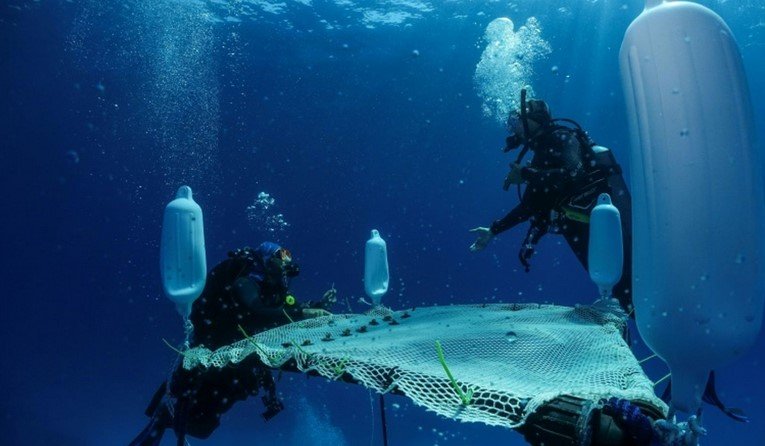
    • Coral Restoration: Many organizations in Cyprus involve divers in coral restoration projects. These initiatives often include planting coral fragments to help revive degraded reefs, allowing divers to directly contribute to the recovery of these critical habitats.
    • Citizen Science: Divers can participate in citizen science projects, gathering data on fish populations, water quality, and reef health. This data is invaluable for researchers and conservationists working to protect Cyprus’ marine environment.

    4. Encouraging Sustainable Tourism Practices

    Scuba diving can promote sustainable tourism practices, which are essential for the long-term health of marine ecosystems in Cyprus.

    • Eco-Friendly Dive Centers: Many dive centers in Cyprus prioritize eco-friendly practices, such as using biodegradable products, promoting waste reduction, and offering guided dives that emphasize conservation.
    • Responsible Tourist Behavior: Divers can set an example for other tourists by adhering to sustainable practices, such as minimizing waste, respecting wildlife, and supporting local conservation initiatives. This behavior encourages a culture of conservation among all visitors to the island.

    Conclusion

    Scuba diving in Cyprus goes beyond recreational activity; it serves as a critical component of marine conservation efforts. By raising awareness, supporting conservation initiatives, participating in research, and promoting sustainable tourism, divers play an essential role in protecting the island’s rich marine ecosystems. Whether you are an experienced diver or a novice, your underwater adventures can contribute to the preservation of Cyprus’ incredible underwater world. Embrace the opportunity to make a difference and help ensure that future generations can enjoy the beauty of Cyprus’ marine life.

  • Night Diving in Cyprus: A Unique Experience

    Night Diving in Cyprus: A Unique Experience

    Night diving in Cyprus presents a thrilling adventure for scuba enthusiasts looking to explore the underwater world after the sun sets. This unique experience reveals a different side of marine life, offering divers the chance to witness nocturnal creatures and enjoy the serene beauty of the ocean under the moonlight. In this post, we’ll delve into the wonders of night diving in Cyprus, covering what to expect, top locations, and tips for a safe dive.

    1. What to Expect During Night Dives

    Night diving transforms the familiar underwater environment into a mysterious landscape. As darkness falls, divers can expect a completely different marine ecosystem to come alive.

    • Marine Life: Many creatures are nocturnal, such as octopuses, cuttlefish, and various types of fish that venture out at night. With the use of dive lights, divers can illuminate vibrant corals, revealing a dazzling array of colors that remain hidden during the day.
    • Atmosphere: The quietness of the ocean at night adds to the excitement. The experience of floating in the dark water, illuminated only by your dive light, can be both peaceful and exhilarating.

    2. Top Night Diving Spots in Cyprus

    Cyprus boasts several exceptional sites for night diving, each offering unique experiences and marine encounters.

    a. The Zenobia Wreck

    The Zenobia wreck is not only a popular daytime dive site but also a spectacular spot for night diving.

    • What to Expect: Divers can explore the wreck’s massive structure and the marine life that inhabits it. The ship, lying at around 42 meters, comes alive at night, with lights revealing the intricate details of the wreck and its resident creatures.
    • Experience Level: This site is more suitable for experienced divers due to its depth, but guided night dives can accommodate less experienced divers.

    b. Cape Greco

    Cape Greco is famous for its clear waters and vibrant marine life, making it an ideal location for night dives.

    • What to Expect: Divers can encounter various fish species and explore the area’s stunning underwater formations. The night brings a different array of creatures, and the clarity of the water allows for excellent visibility.
    • Experience Level: Suitable for divers of all levels, as there are shallower areas perfect for beginners.

    c. The Blue Lagoon

    Located near the Akamas Peninsula, the Blue Lagoon offers a serene environment for night diving.

    • What to Expect: The calm waters provide an excellent opportunity for beginners to experience night diving. Divers often see various fish and occasionally spot sea turtles swimming under the moonlight.
    • Experience Level: Ideal for novice divers, with many shallow areas to explore.

    3. Tips for a Safe Night Dive

    While nocturnal diving can be incredibly rewarding, it requires additional precautions. Here are some tips to ensure a safe and enjoyable experience:

    • Dive with a Buddy: Always dive with a partner. This enhances safety and ensures you have someone to share the experience with.
    • Use Proper Equipment: Ensure your dive light is fully charged and in good working condition. Carry a backup light and consider using glow sticks or markers for visibility.
    • Plan Your Dive: Familiarize yourself with the dive site before you go. Understanding the terrain and potential hazards is crucial for a successful night dive.
    • Stay Close to Your Buddy: Maintain close proximity to your diving partner to ensure safety and ease of communication.

    Conclusion

    Night diving in Cyprus offers an unforgettable experience filled with wonder and excitement. Exploring the underwater world under the stars reveals the hidden beauty of marine life and transforms familiar dive sites into magical realms. Whether you’re a seasoned diver or a beginner, the unique charm of night diving in Cyprus is something you won’t want to miss. So gear up, dive into the darkness, and discover the enchanting underwater world that awaits!

  • Cyprus’ Underwater Caves and Reefs for Scuba Lovers

    Cyprus’ Underwater Caves and Reefs for Scuba Lovers

    Scuba diving in Cyprus offers an exhilarating adventure for underwater enthusiasts. The island boasts stunning underwater caves and vibrant reefs that attract divers from around the globe. In this post, we will explore some of the best spots for scuba lovers, highlighting the unique features and experiences each location offers.

    1. The Blue Lagoon

    Located near the Akamas Peninsula, the Blue Lagoon is a must-visit for scuba divers. This stunning spot features crystal-clear waters and a breathtaking marine environment.

    • What to Expect: As you dive into the lagoon, you’ll encounter vibrant coral reefs teeming with fish. Keep an eye out for the majestic sea turtles that frequent the area, making it a memorable diving experience.
    • Diving Conditions: The lagoon offers calm waters, making it ideal for both beginners and experienced divers. The shallow depths allow for easy exploration and plenty of photo opportunities.

    2. The Zenobia Wreck

    The Zenobia wreck, a former ferry that sank off the coast of Larnaca in 1980, stands as one of the top dive sites in the world.

    • What to Expect: Divers can explore the remains of the ship, which lies at a depth of around 42 meters. The wreck is home to diverse marine life, including schools of fish, octopuses, and moray eels.
    • Diving Conditions: This site is better suited for experienced divers due to its depth and potential currents. However, guided dives are available for those who want to explore this iconic wreck safely.

    3. Ayia Napa Caves

    The Ayia Napa region is famous for its picturesque coastline and fascinating underwater caves.

    • What to Expect: As you navigate through these natural formations, you’ll discover unique rock structures and vibrant marine life. The caves offer excellent opportunities for photography, with shafts of light streaming through the openings.
    • Diving Conditions: The caves range in depth, catering to divers of various skill levels. Some areas are shallow, perfect for beginners, while others require more experience due to depth and potential currents.

    4. Cape Greco Marine Reserve

    Cape Greco, located between Ayia Napa and Protaras, is a protected marine area known for its rich biodiversity.

    • What to Expect: The underwater landscape features dramatic cliffs, colorful reefs, and diverse marine life, including reef fish, nudibranchs, and even the occasional dolphin. The area also boasts numerous dive sites, such as the famous “Blue Hole.”
    • Diving Conditions: This site offers a range of depths, making it suitable for divers of all experience levels. The visibility is typically excellent, providing fantastic views of the underwater scenery.

    5. Lara Bay

    Lara Bay, part of the Akamas National Park, is known for its unspoiled beauty and rich marine life.

    • What to Expect: The area is famous for its turtle nesting sites, and divers often spot green and loggerhead turtles. The underwater landscape features rocky formations and lush seagrass beds.
    • Diving Conditions: Lara Bay offers shallow dives, making it perfect for beginners and families. The clear waters and abundant marine life create a serene diving experience.

    Conclusion

    Cyprus is a diver’s paradise, offering a diverse range of underwater caves and reefs that cater to all levels of experience. Whether you’re exploring the historic Zenobia wreck, navigating the stunning Ayia Napa caves, or enjoying the vibrant marine life at Cape Greco, each dive site promises a unique adventure. So grab your gear, dive into the clear waters, and discover the beauty of Cyprus’ underwater world!

  • How to Prepare for Your First Scuba Dive in Cyprus

    How to Prepare for Your First Scuba Dive in Cyprus

    Scuba diving in Cyprus offers an exhilarating opportunity to explore vibrant marine life and stunning underwater landscapes. If you’re gearing up for your first scuba dive in this Mediterranean paradise, preparation is key to ensuring a safe and enjoyable experience. In this guide, we’ll walk you through the essential steps to get ready for your diving adventure in Cyprus.

    1. Choose the Right Dive Center

    Selecting a reputable dive center is crucial for a successful scuba diving experience. Here’s what to consider:

    • Research Dive Centers: Look for dive centers with good reviews and experienced instructors. Check their certifications, safety protocols, and the types of dives they offer.
    • Inquire About Courses: If you’re a beginner, consider enrolling in a Discover Scuba Diving course. These courses typically include a short theory session, a pool practice session, and a guided dive.
    • Ask About Equipment Rental: Many dive centers provide rental gear. Ensure they offer high-quality, well-maintained equipment. If you own gear, confirm if you can use your equipment.

    2. Understand the Basics of Scuba Diving

    Before you dive, familiarize yourself with essential scuba diving concepts:

    • Learn Diving Signals: Understand basic hand signals used underwater to communicate with your dive buddy. Effective communication is vital for safety.
    • Know the Equipment: Get acquainted with your scuba gear, including the mask, fins, regulator, buoyancy control device (BCD), and tank. Understand how each piece works and how to properly wear them.
    • Understand Safety Procedures: Learn about safety measures, such as equalizing your ears, monitoring your air supply, and practicing controlled ascents. Knowing these protocols will enhance your confidence underwater.

    3. Get in Shape and Stay Hydrated

    Physical fitness plays a role in scuba diving. Here’s how to prepare your body:

    • Stay Active: Engage in regular physical activity to build endurance and strengthen your muscles. Activities like swimming, jogging, or cycling can enhance your fitness level for diving.
    • Hydrate: Drink plenty of water leading up to your dive. Staying hydrated is essential for your overall health and helps reduce the risk of decompression sickness.
    • Avoid Alcohol: Limit alcohol consumption before your dive. Alcohol can lead to dehydration and impair your judgment, making it unsafe for diving.

    4. Plan Your Dive Day

    Preparation on the day of your dive will help ensure a smooth experience:

    • Get Plenty of Rest: Ensure you have a good night’s sleep before your dive. Being well-rested helps you stay alert and focused.
    • Arrive Early: Get to the dive center ahead of time to complete any necessary paperwork, discuss your dive plan, and get fitted for equipment.
    • Check the Weather: Be aware of the weather and sea conditions on your dive day. Good visibility and calm waters will enhance your diving experience.

    5. Embrace the Experience

    Finally, keep a positive mindset as you embark on your diving adventure:

    • Stay Calm: If you feel anxious, take deep breaths and focus on the beauty around you. Your dive instructor will be there to support you every step of the way.
    • Enjoy the Underwater World: Cyprus boasts incredible dive sites, including shipwrecks, underwater caves, and vibrant reefs. Take time to appreciate the stunning marine life, from colorful fish to unique coral formations.
    • Capture the Moment: Consider bringing an underwater camera to document your dive. Capturing these memories allows you to share your experience with friends and family.

    Conclusion

    Preparing for your first scuba dive in Cyprus involves careful planning, understanding the basics, and embracing the adventure. By choosing a reputable dive center, familiarizing yourself with diving concepts, and maintaining good physical health, you set the stage for an unforgettable underwater experience. So gear up, take a deep breath, and get ready to explore the stunning depths of Cyprus!